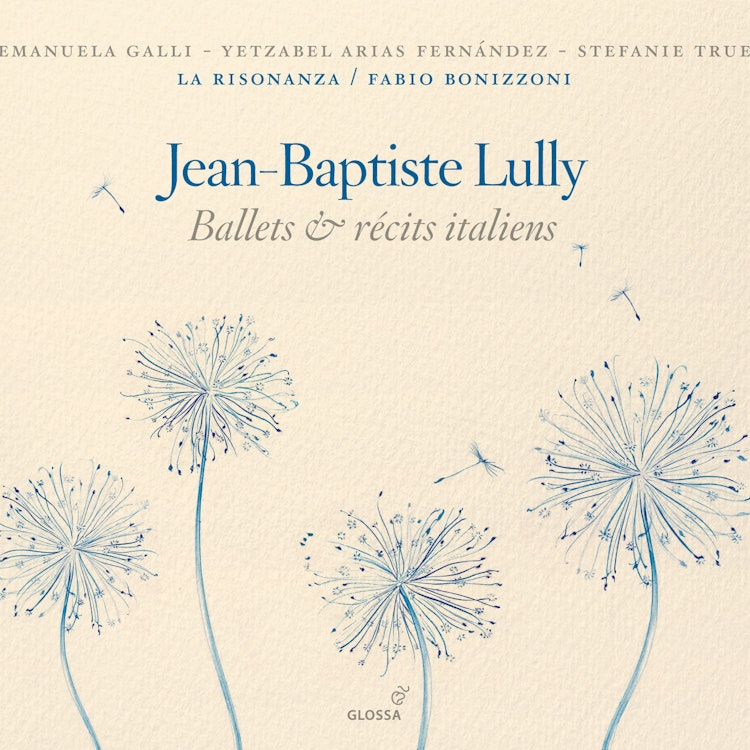
When Lully arrived in France in 1646, the court already had many Italian composers invited by Cardinal Mazarin, who aimed to popularize Italian repertoire, especially opera.
Cultural Impact
The text of the Italian aria 'Di rigori armata il seno' from Lully's Ballet des Nations was reused two and a half centuries later by Hugo von Hofmannsthal in Richard Strauss's opera Der Rosenkavalier (1911).
Composition History
Lully actively participated in the productions of Francesco Cavalli's Italian operas Xersés (1660) and Ercole amante (1662) in Paris, composing the ballet entrées performed between acts.
Critical Reception
The success of the Italian scene 'Deh, piangete al pianto mio' from Lully's tragédie-ballet Psyché was such that a parody of the aria appeared thirty years later in a comedy.
Compositional Technique
Lully was particularly fascinated by the Italian lamento style, even using its structure in some of his French works, such as the 'Plainte de Vénus' in Ballet de Flore (1669).
Composer Biography
Jean-Baptiste Lully, though primarily associated with French music, began his career composing vocal music in the Italian style.
Composition History
The collaboration between Lully and Molière in the second half of the 1660s produced several comédies-ballet, a genre considered a forerunner of French opera.
You might also enjoy...
Inauguration Cantatas for Hamburg & Altona
Rameau: Amants Trahis (Les) / Aquilon Et Orithie / Thetis / Air A Boire / Campra: Les Femmes
Apocryphal Bach Masses
Telemann: Das befreite Israel, TWV 6:5, Overture in F Minor, TWV:f1 & Der May, TWV 20:40
Telemann: Trio Sonatas
KUK Festkonzert, Vol. 1
Christmas In Darmstadt (Noël À Darmstadt) Vol. 3
Purcell: Dido and Aeneas, Z. 626
Biber: Vespro della Beata Vergine - Kerll: Missa in fletu solatium
Graun: Violin Concertos / Viola Da Gamba Concerto
Madin: Te Deum pour les victoires de Louis XV (Live Recording at La Chapelle Royale du Château de Versailles)
Serenate Napoletane
Bigaglia: XII Sonate a Violino Solo op. I - Sonata in Sol maggiore per violoncello e continuo