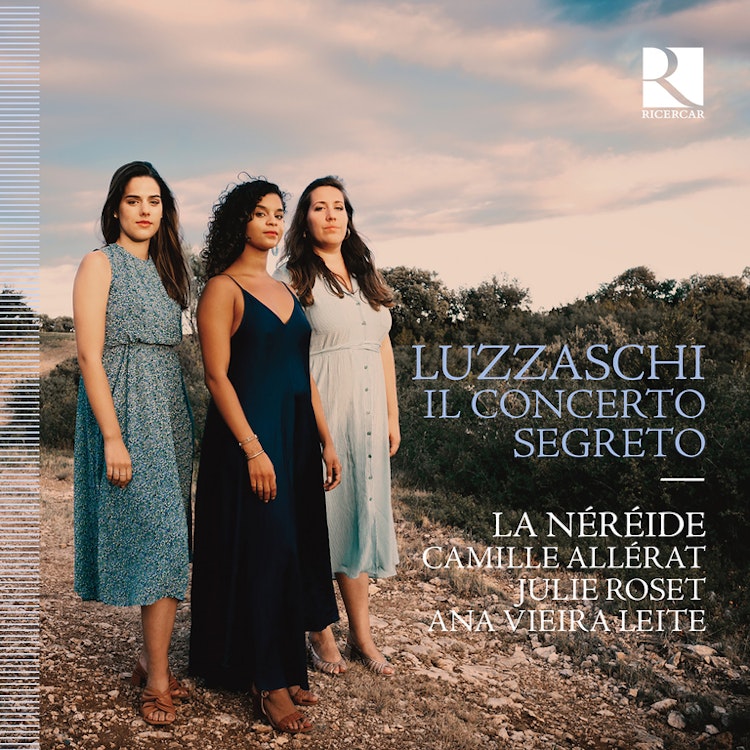
After Alfonso II's death and Ferrara's incorporation into the Papal states, Luzzaschi published his Madrigali a uno, due e tre soprani in 1601, explaining they were written for the concerto delle donne.
Composition History
The d'Este family, rulers of Ferrara since the 14th century, were significant patrons of creative artists, especially in music, attracting composers like Josquin Desprez and Cipriano de Rore.
Compositional Technique
Luzzaschi composed works for the concerto delle donne with breathtakingly virtuosic ornamentation, including passaggi, diminutions, cadenzas, and trills, specifically tailored to the singers' vocal gifts.
Cultural Impact
The techniques of Ferrara's concerto delle donne became known by word of mouth, influencing composers like Luca Marenzio and Giulio Caccini and contributing to the development of the stylus luxurians.
Historical Context
The music composed for the concerto delle donne was initially kept secret and unpublished, with scores locked away, due to the ducal ban on publication.
Composer Biography
Luzzasco Luzzaschi, a pupil of Cipriano de Rore, oversaw the musica riservata for the Duke of Ferrara, serving as organist at the cathedral and maestro di cappella at the palace.
Composition History
Alfonso II d'Este created a 'secret concert' ensemble of soprano voices, known as the concerto delle donne, for his court in the late 1570s, aiming for excellence and rarity.
You might also enjoy...
'Ah! mio cor' Handel: Arias
Baroque Celebration (Sung in English)
Cathy Berberian Sings Monteverdi
Eighteenth-Century Bel Canto
Francoeur: Chamber Music
Passion Jaroussky
Endless Pleasure
Arias And Duets
Plaisir d'amour - A Celebration of the Art of Dame Janet Baker