Narodowa Orkiestra Symfoniczna Polskiego Radia NOSPR
Gustav Mahler
Did you know?
1/7
Composition History
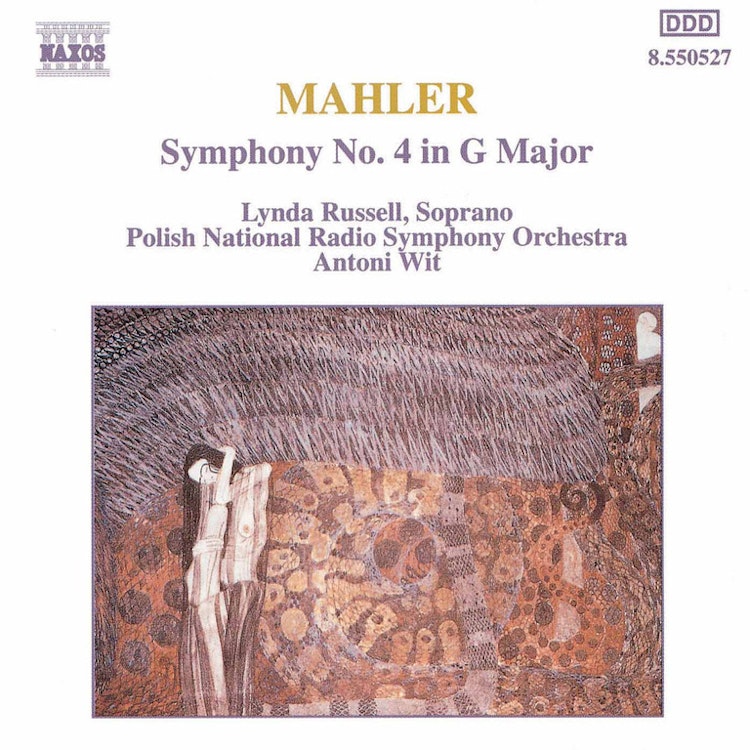
The final movement of Mahler's Fourth Symphony is a song setting from "Des Knaben Wunderhorn" (The Boy's Magic Horn), a collection of folk-songs, which was originally intended for his Third Symphony.
Compositional Technique
The second movement of Mahler's Fourth Symphony, often described as a "Totentanz" (Dance of Death), features a solo violin tuned up a tone to portray a ghostly fiddler.
Critical Reception
Mahler's Fourth Symphony had a difficult premiere in Munich on November 25, 1901, with the audience reacting with extreme coldness, which greatly affected the composer.
Composer Biography
Mahler made his career as a conductor, eventually becoming Kapellmeister of the Vienna court opera in 1897 after converting to Catholicism, a necessary preliminary.
Performer Biography
The Polish National Radio Symphony Orchestra of Katowice (PNRSO) was founded in 1945 by Witold Rowicki, replacing an earlier orchestra that existed before World War II.
Composer Biography
Gustav Mahler saw himself as "three times homeless": a native of Bohemia in Austria, an Austrian among Germans, and a Jew throughout the whole world.
Composition History
Mahler's Fourth Symphony was largely composed during summer holidays, away from his conducting duties at the opera-house.