Oskar Fried, an early advocate and friend of Mahler, made the first complete recording of the Second Symphony in 1924 with the Berlin Staatskapelle, which was also the earliest complete recording of any Mahler symphony.
Notable Performances
The complete Mahler Second Symphony premiered on December 13, 1895, in Berlin, conducted by Mahler himself, establishing his reputation as a composer.
Compositional Technique
The Second Symphony incorporates diverse musical elements, including march music, the Ländler dance, chorale melodies, and military fanfares, to create a new symphonic genre that is not hermetic.
Compositional Technique
Mahler expanded the symphonic genre in his Second Symphony by integrating elements of a cantata, including a song as the fourth movement ("Urlicht") and incorporating soloists and a choir in the finale.
Composition History
The inspiration for the finale of Mahler's Second Symphony came to him at the memorial service for Hans von Bülow, a great conductor who had previously dismissed Mahler's first movement.
Composer's Artistic Vision
Mahler's Second Symphony explores the "great question: Why have you lived? Why have you suffered? Is it all just an immense, awful joke?", reflecting his lifelong fear of death and a desperate call to believe.
Composition History
Gustav Mahler worked on his Second Symphony, subtitled "Resurrection," for seven years, with initial drafts of the first movement, then called "Todtenfeier" (Funeral Rite), predating his First Symphony.
You might also enjoy...
Gustav Mahler: Symphony No. 3 in D Minor
Mahler: Symphony No. 3
Mahler: Symphony No. 5 [2011 - Remaster]
Mahler: Symphony No. 4 (Recorded 1962)
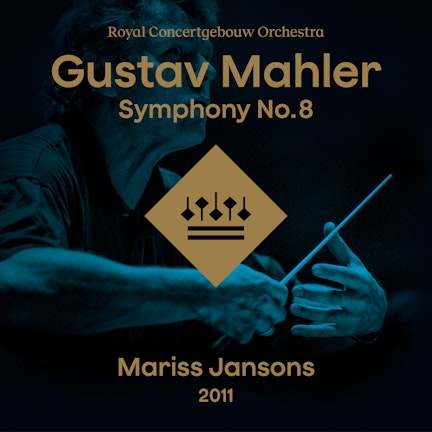
Mahler: Symphonie No. 8
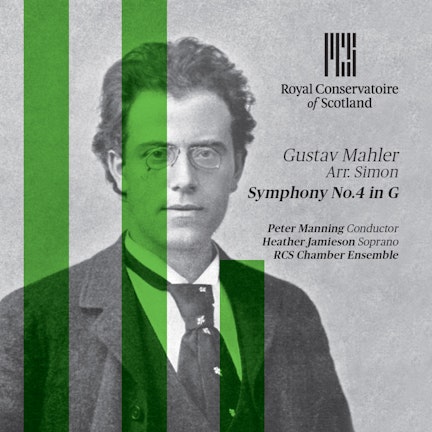
Mahler: Symphony No. 4
Mahler: Symphony No. 4
Mahler: Symphony No. 8, "Symphony of a Thousand"
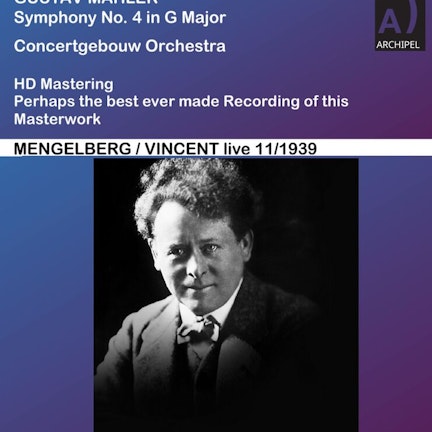
Gustav Mahler: Symphony No. 4 in G Major
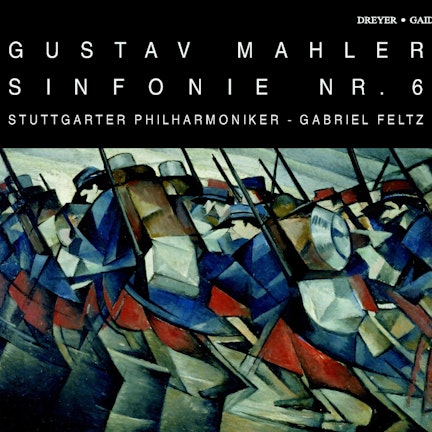
Mahler: Symphony No. 6
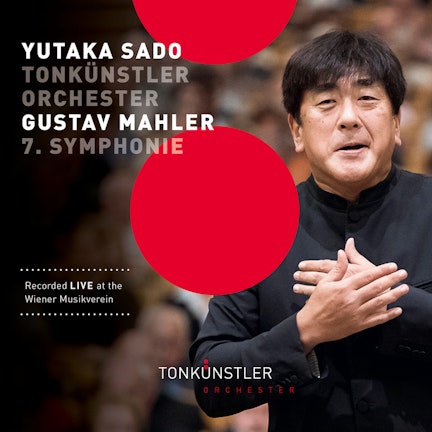
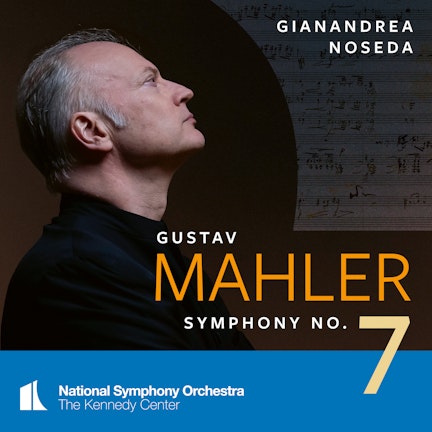
Mahler: Symphonie No. 7 (Live)
Mahler Symphony No. 4 conducted by Willem Mengelberg