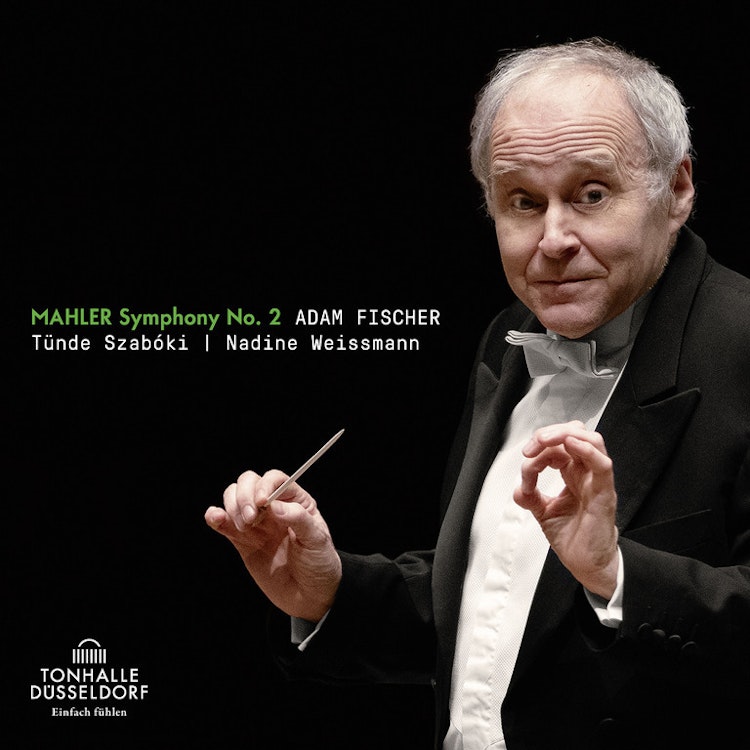
The Second Symphony incorporates diverse musical elements, including march music, the Ländler dance, chorale melodies, military fanfares, and even stylized birdsong, to create a rich and varied soundscape.
Notable Performances
The premiere of the first three movements of Mahler's Second Symphony took place on March 4, 1895, in Berlin, conducted by Richard Strauss, while the complete work premiered on December 13, 1895, also in Berlin, under Mahler's own baton.
Composer's Artistic Vision
Mahler's Second Symphony explores the "great question: Why have you lived? Why have you suffered? Is it all just an immense, awful joke?", reflecting the composer's lifelong fear of death and his search for belief.
Recording & Production
Oskar Fried made the earliest complete recording of a Mahler symphony in 1924, recording the Second Symphony with the Berlin Staatskapelle.
Compositional Technique
Mahler expanded the symphonic genre by integrating elements of the cantata, using a song as a movement and incorporating soloists and a choir in the finale.
Composition History
Gustav Mahler worked on his Second Symphony, subtitled "Resurrection", for seven years, with initial drafts of the first movement, then called "Todtenfeier" (Funeral Rite), predating his First Symphony.
Composition History
The inspiration for the finale of Mahler's Second Symphony came to him at the memorial service for conductor Hans von Bülow in 1894, when a choir sang Friedrich Klopstock's chorale "Auferstehn" (To resurrect).
You might also enjoy...
Gustav Mahler: Symphony No. 3 in D Minor
Mahler: Symphony No. 3
Mahler: Symphony No. 5 [2011 - Remaster]
Mahler: Symphony No. 4 (Recorded 1962)
Mahler: Symphonie No. 8
Mahler: Symphony No. 4
Mahler: Symphony No. 4
Mahler: Symphony No. 8, "Symphony of a Thousand"
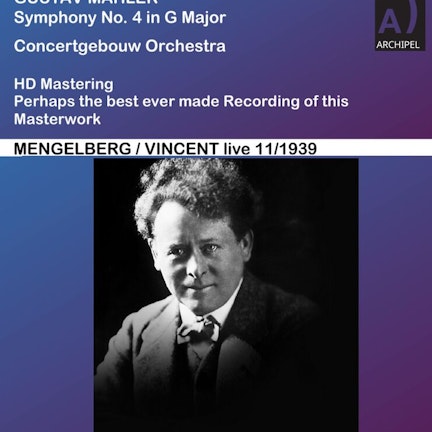
Gustav Mahler: Symphony No. 4 in G Major
Mahler: Symphony No. 6
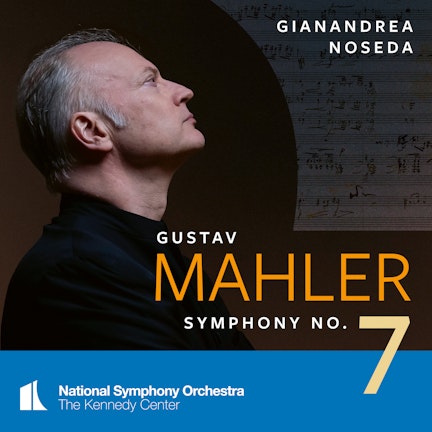
Mahler: Symphonie No. 7 (Live)
Mahler Symphony No. 4 conducted by Willem Mengelberg