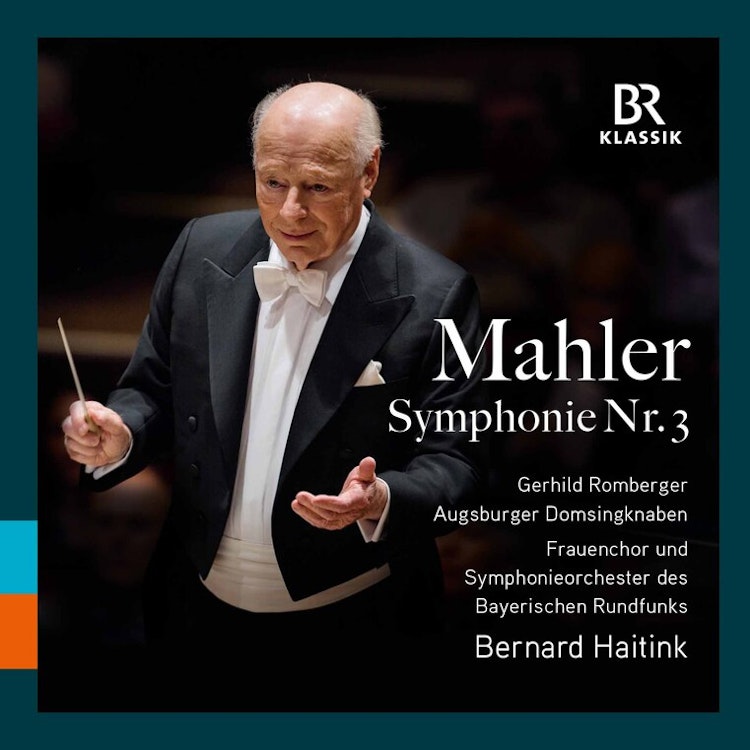
Winner of the BBC Music Magazine Award 2018 (Orchestral & Recording of the Year)
Featuring
Bernard Haitink
Gerhild Romberger
Symphonieorchester des Bayerischen Rundfunks
Augsburger Domsingknaben
Frauenchor des Bayerischen Rundfunks
Gustav Mahler
Did you know?
1/6
Composition History
Mahler's Symphony No. 3 was mainly composed during the summers of 1895/1896 in Steinbach on the Attersee, Austria.
Performer Biography
The Symphonieorchester des Bayerischen Rundfunks (Bavarian Radio Symphony Orchestra) was ranked among the ten best orchestras in the world by Gramophone magazine in 2008.
Composer's Artistic Vision
Mahler intended his Third Symphony to represent nothing less than "the world, nature as a whole," structured in stages from inanimate matter to plants, animals, humans, and God.
Critical Reception
The premiere of Mahler's Third Symphony in Krefeld was a public success, but critics were divided, with one reviewer suggesting the composer deserved prison for it.
Performer Biography
Bernard Haitink, the conductor on this album, has an international career spanning six decades and has held principal conducting positions with major orchestras like the Concertgebouw Orchestra and London Philharmonic.
Compositional Technique
Mahler's Third Symphony is unique among his works for its six-movement structure, which he believed was determined by the "ever-new, ever-changing content" of the music.
You might also enjoy...
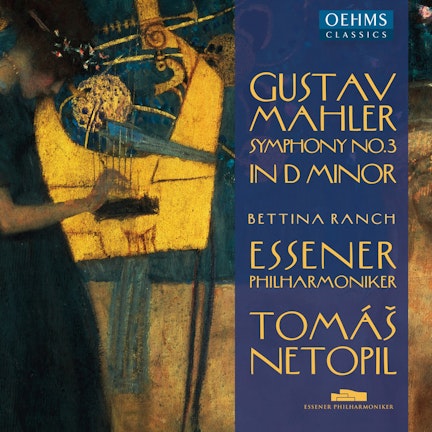
Gustav Mahler: Symphony No. 3 in D Minor
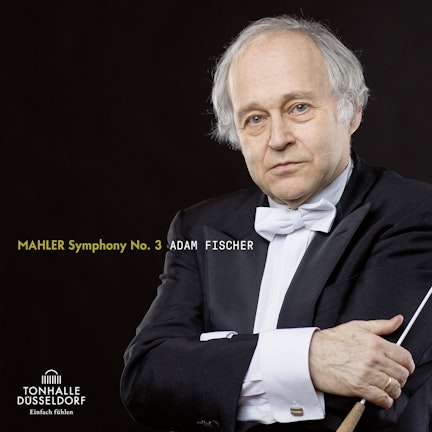
Mahler: Symphony No. 3
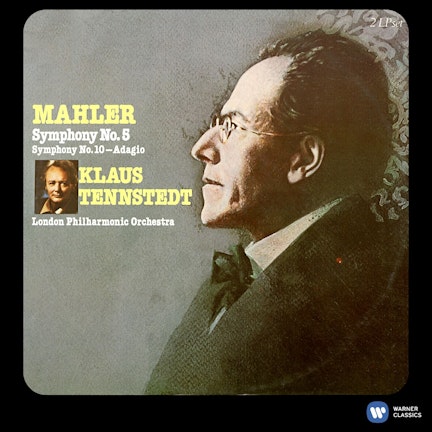
Mahler: Symphony No. 5 [2011 - Remaster]
Mahler: Symphony No. 4 (Recorded 1962)
Mahler: Symphonie No. 8
Mahler: Symphony No. 4
Mahler: Symphony No. 4
Mahler: Symphony No. 8, "Symphony of a Thousand"
Gustav Mahler: Symphony No. 4 in G Major
Mahler: Symphony No. 6
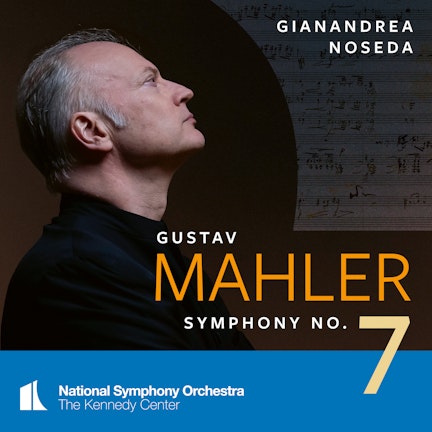
Mahler: Symphonie No. 7 (Live)
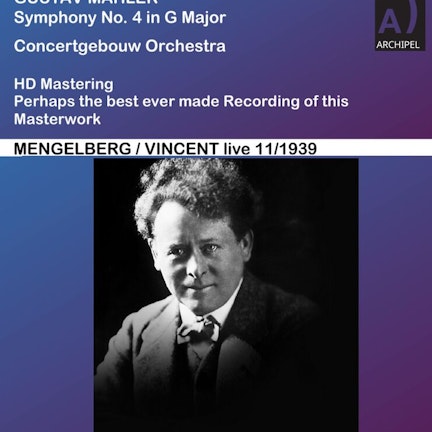
Mahler Symphony No. 4 conducted by Willem Mengelberg