Mahler's Fourth Symphony marks the end of a compositional phase, concluding his series of "Wunderhorn" symphonies (Nos. 2-4).
Compositional Technique
The second movement of Mahler's Fourth Symphony features a solo violin tuned a tone higher than normal, creating a sharper, more incisive sound.
Notable Performances
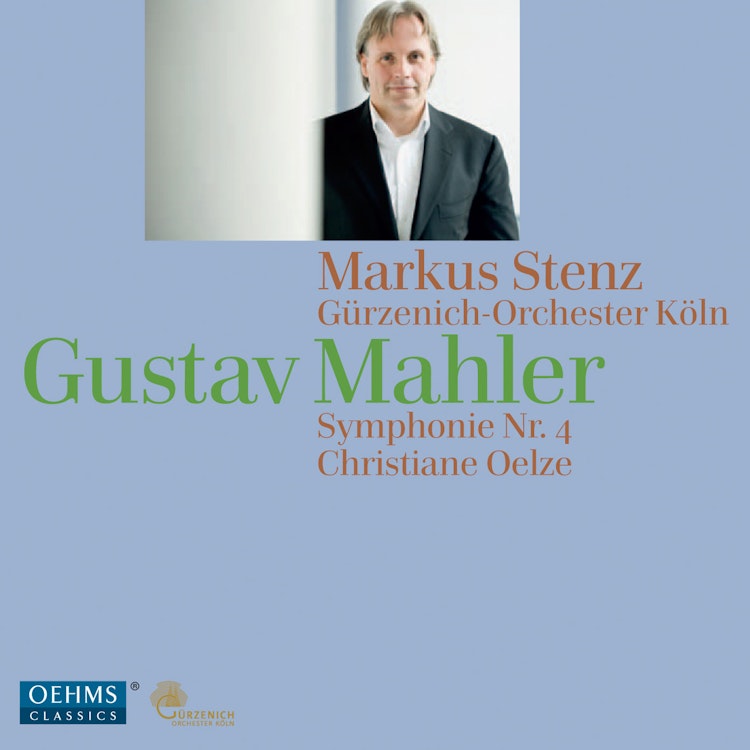
The Gürzenich-Orchester Köln, featured on this recording, premiered numerous major orchestral works, including Brahms' Double Concerto, Mahler's 5th Symphony, and Strauss' Till Eulenspiegel.
Compositional Technique
The symphony's ending is radical, moving from the main key of G major to E major for the Paradise vision, but concluding softly and tenderly with instruments fading out, indicating a "silence filled with self-denial."
Composer's Artistic Vision
Gustav Mahler himself stated that in this music, "the greatest mobility of rhythms and harmony prevails - and what polyphony!"
Composition History
This symphony was composed after Mahler's only break in compositional activity, a period between 1896 and 1899 when his conducting duties at the Vienna Hofoper and Philharmonic Concerts absorbed him completely.
Performer Biography
Markus Stenz, the conductor on this album, studied at the School of Music in Cologne and at Tanglewood with Leonard Bernstein and Seiji Ozawa.
You might also enjoy...
Gustav Mahler: Symphony No. 3 in D Minor
Mahler: Symphony No. 3
Mahler: Symphony No. 5 [2011 - Remaster]
Mahler: Symphony No. 4 (Recorded 1962)
Mahler: Symphonie No. 8
Mahler: Symphony No. 4
Mahler: Symphony No. 4
Mahler: Symphony No. 8, "Symphony of a Thousand"
Gustav Mahler: Symphony No. 4 in G Major
Mahler: Symphony No. 6
Mahler: Symphonie No. 7 (Live)
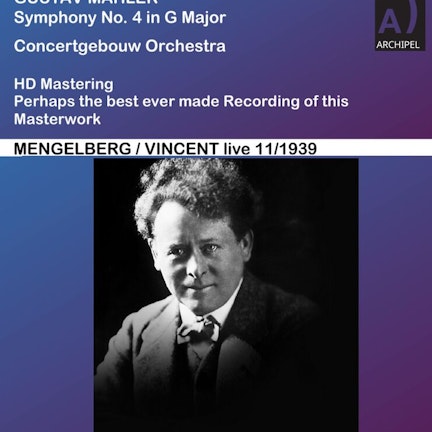
Mahler Symphony No. 4 conducted by Willem Mengelberg