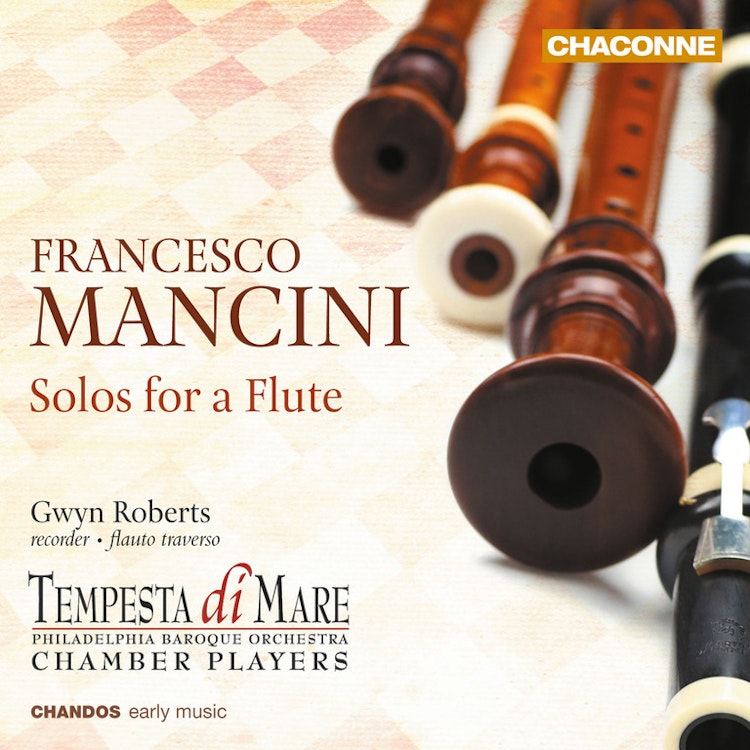
In 18th-century London, Italian music was highly sought after, leading many Italian musicians, like Francesco Geminiani and Nicola Porpora, to seek opportunities there.
Recording & Production
This recording uses 24-bit / 96 kHz technology, which offers a dynamic range up to 48 dB greater and 256 times the resolution of standard 16-bit recordings.
Performer Biography
Gwyn Roberts, the recorder and flauto traverso player, is a 'world-class virtuoso' according to American Record Guide and a founding director of Tempesta di Mare Philadelphia Baroque Orchestra.
Composer Biography
Mancini, a prominent contributor to Neapolitan opera, started his career at age twenty-four and trained as an organist and composer under Francesco Provenzale.
Composition History
Francesco Mancini, the composer, dedicated these Solos to John Fleetwood, Esq., hoping to secure a stable and remunerative position in England.
Compositional Technique
The presence of fast movements with imitative or fugal styles in Mancini's sonatas reflects the strict contrapuntal language taught in Neapolitan conservatories, suggesting they may have been teaching tools.
Compositional Technique
Mancini's sonatas follow the Corellian model with four or five movements, but also show a clear Neapolitan influence, especially in the slow movements and a predilection for minor keys.
You might also enjoy...
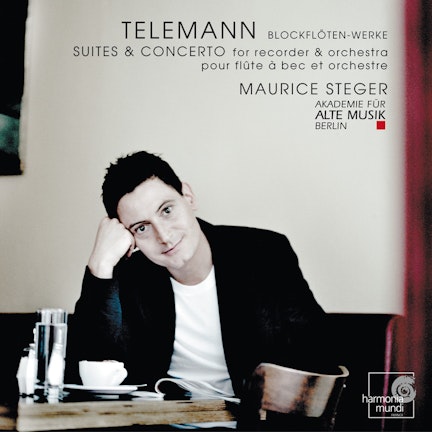
Telemann: Recorder Concertos
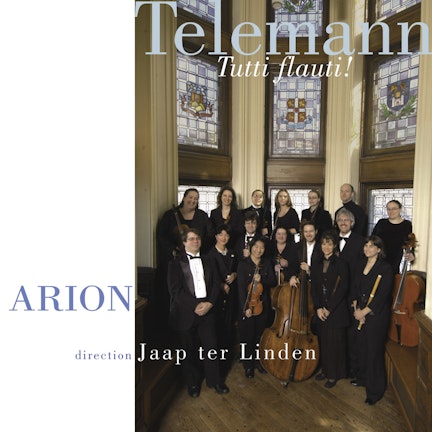
Telemann: Overture / 3 Recorder Concertos
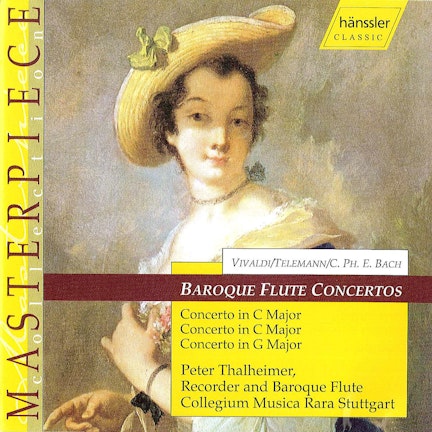
Telemann: Complete Suites and Concertos for Recorder
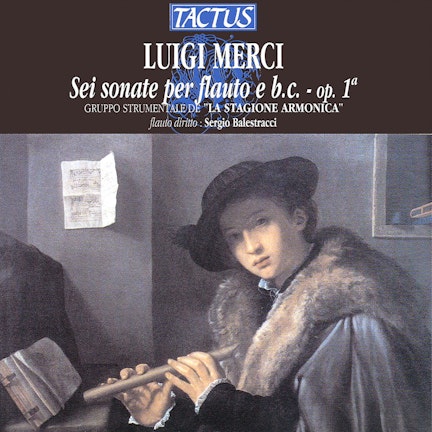
Giorno e notte
Mancini: Xii Solos Vol. 1 [recorder Sonatas], for a Flute with a Thorough Bass for the Harpsicord (London: J. Barrett & W. Smith)