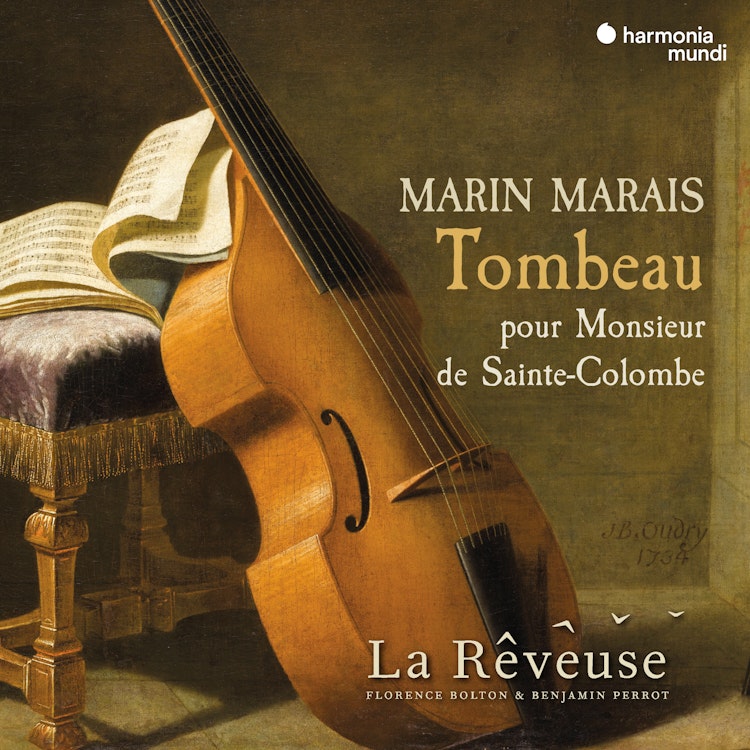
The 'Tombeau' genre in the 17th century, including those by Marais, used the viol to express profound emotions, often described as being closest to the human voice.
Compositional Technique
Marais's second book of viol pieces, published in 1701, introduced 'pièces de caractère' and explored more complex tonalities, moving beyond the simple keys of D or G.
Composer Biography
Marin Marais surpassed his teacher Sainte-Colombe in just six months and later spied on him to learn his secret bowing techniques, a common practice for apprentices to assert independence.
Composer Biography
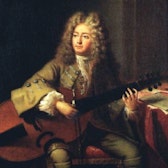
Marin Marais, born in a noisy working-class Parisian neighborhood, defied his father's trade as a shoemaker to become one of Louis XIV's finest musicians.
Composer's Artistic Vision
Sainte-Colombe's music did not follow strict rules or canons; it was difficult to notate and often played by ear, with the master constantly changing and 'ruining' his own compositions.
Composition History
Sainte-Colombe, a mysterious viol master and Marais's teacher, lived apart from court life and preferred to play alone, sometimes in a small hut built in a mulberry tree in his garden.
Composer Biography
Marais's uncle, Louis Marais, a curate in a wealthy parish, took him in after his mother's early death, allowing him to move to a more privileged area of Paris and pursue music.
You might also enjoy...
Greco: Music for Bass Violin
A Sentimental Journey
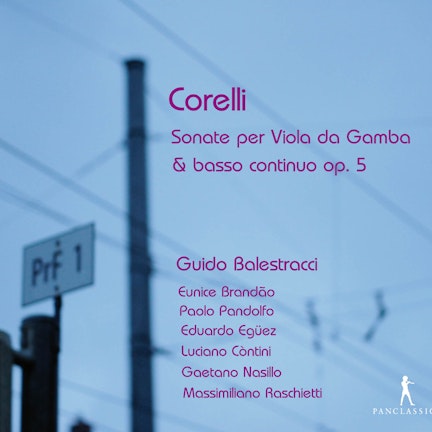
Corelli: Sonate per Viola da Gamba & basso continuo, Op. 5
Marais: Pièces favorites
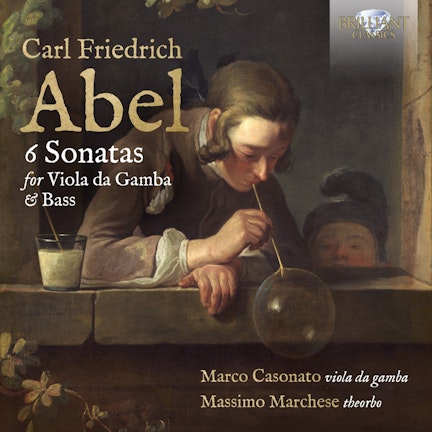
Abel: 6 Sonatas for Viola da Gamba & Bass
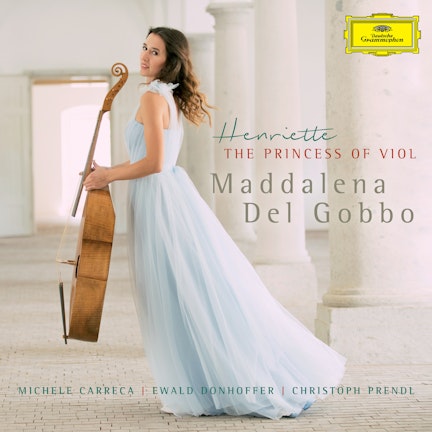
Henriette, The Princess Of Viol
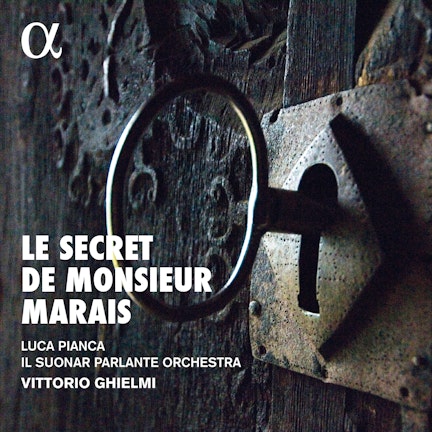
Le secret de Monsieur Marais
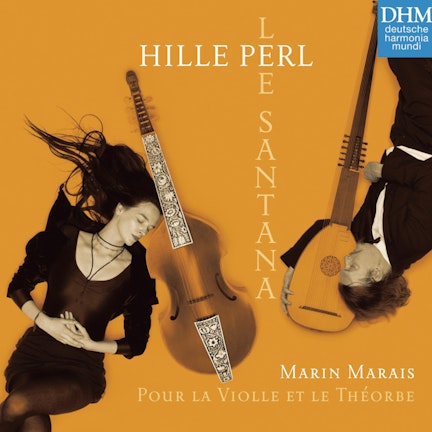
Marais: Pour la Violle et le Théorbe
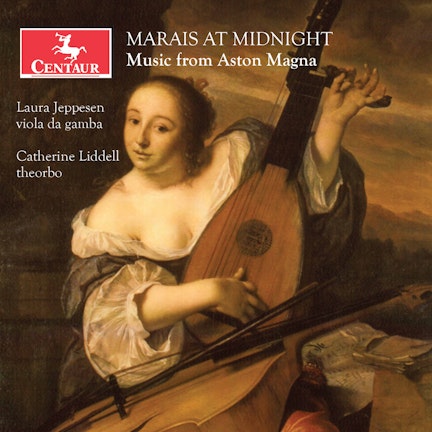
Marais at Midnight
Marais, de visée & sainte colombe: En suite
Marin Marais: Pièces De Viole Du Cinquième Livre
Marais, M.: Pieces De Viole - Suites in A Minor / G Major / D Minor