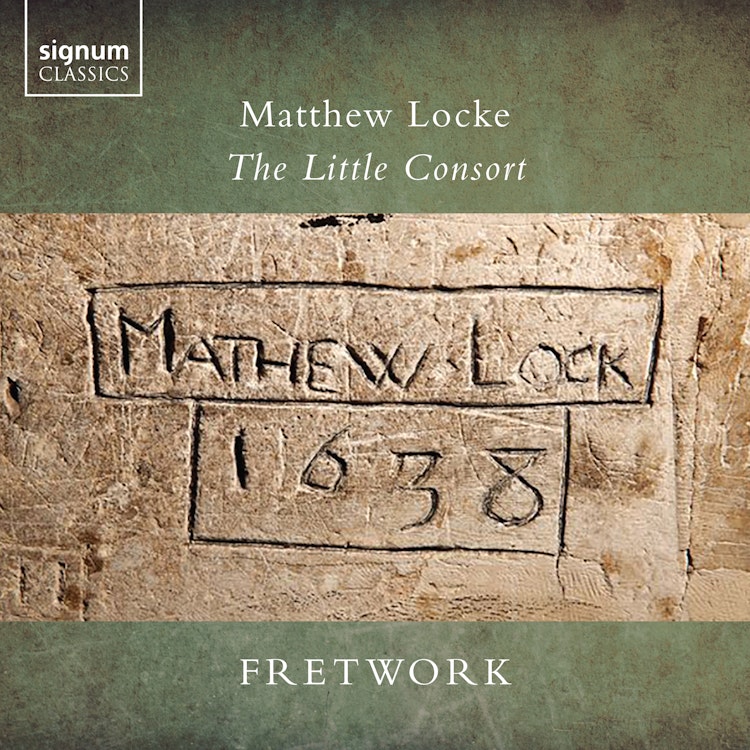
Matthew Locke's "The Little Consort" was composed in 1651 at the request of his friend and former teacher, William Wake, for Wake's music students.
Historical Context
The printing of "The Little Consort" in 1656 was significant, as very little viol consort music had been printed before, with only a few exceptions like Dowland's Lachrimae.
Composer's Artistic Vision
Locke designed "The Little Consort" to be accessible for young beginners, aiming for familiar melodies, formal parts, and pieces that were easy and short.
Performer Biography
The ensemble Fretwork, celebrating its 35th anniversary, has explored English consort music from Taverner to Purcell and commissioned nearly 50 new works for viols from prominent contemporary composers.
Composer Biography
Matthew Locke, a Devon man, was a chorister at Exeter Cathedral, where he carved his name twice, and was cautioned for fighting in 1640.
Historical Context
The designation "for viols or violins" in Locke's publication reflects changing tastes, as the violin was gaining popularity over the treble viol in the mid-17th century.
Compositional Technique
Locke's suites typically progress with increasing speed, and he was a master of the Courante, a dance form that appears in all his chamber music suites with astonishing variety and rhythmic complexity.