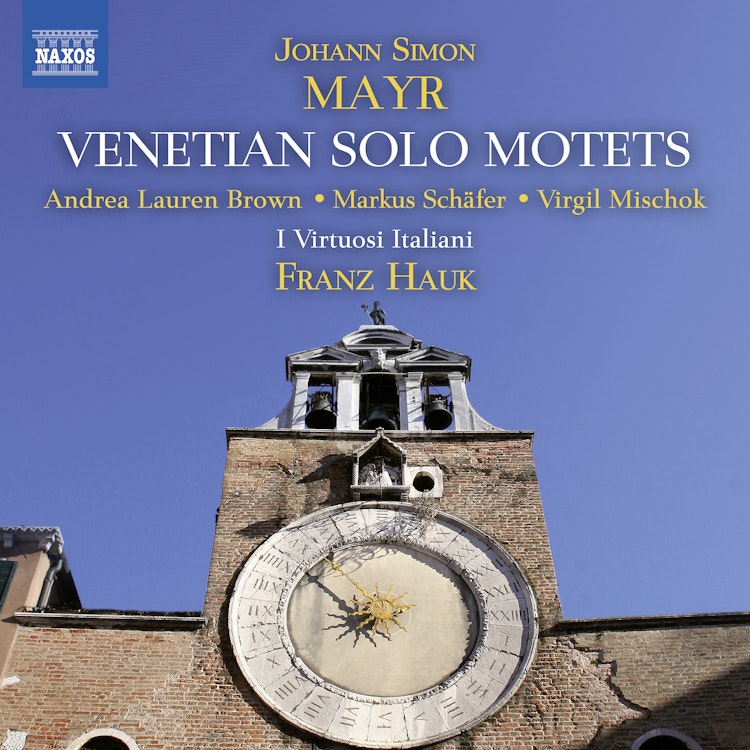
Johann Simon Mayr's solo motets, often resembling small-scale religious operas, were popular among female soloists trained at the Venetian Ospedali.
Compositional Technique
In the motet "O Deus, quot me circumdant," Mayr combines aria-like and recitative sections, inspired by the text's contrast between turmoil and God-given peace.
Compositional Technique
Wolfgang Hochstein notes Mayr's avoidance of excessive coloratura in "O Deus, quot me circumdant," favoring songlike melodies with a cavatina-style character, similar to Mozart's style.
Composer Biography
Ferdinando Bertoni, who taught Mayr in Venice, served as maestro di coro at the Ospedale di Mendicanti and likely connected Mayr with the institution.
Historical Context
In 18th-century Venice, solo motets were popular, especially at the four Ospedali, which were hospitals and orphanages that also became high-class musical training facilities for girls.
Composition History
Mayr composed four oratorios for the Ospedale di Mendicanti: Jacob (1791), Sisara (1793), Tobiae matrimonium (1794), and David in spelunca Engaddi (1795).
Composer's Artistic Vision
An aspiring composer could use solo motets as a 'calling card' to secure an operatic commission.
You might also enjoy...
Scarlatti: Cantate e Duetti
J.M. Bach: Cantatas
Lou Harrison: Suite From The "Marriage At The Eiffel Tower"
Brunckhorst: Christmas and Easter History
Bach: Cantatas, Vol. 1
Wilhelm Friedemann Bach: Kantaten I
Some Enchanted Evening. The Best Of The Musicals
Stilwell, Jean: Kabarett
Rosenmüller: Sacred Concertos
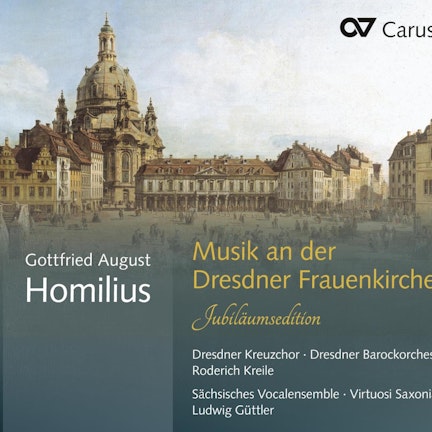
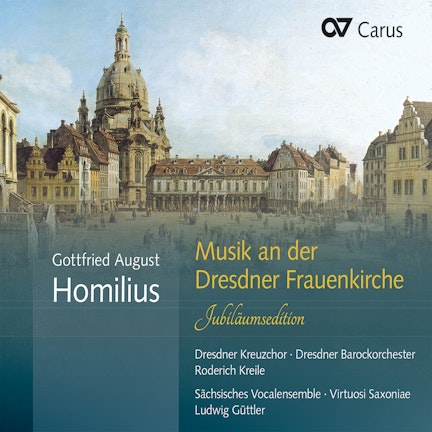
Music at the Frauenkirche Dresden (Anniversary Edition)
Gottfried August Homilius: Musik an der Dresdner Frauenkirche. Jubiläumsedition
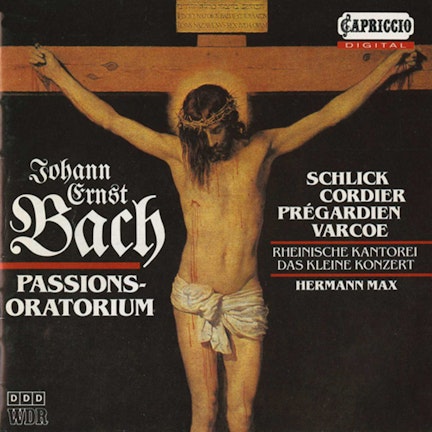
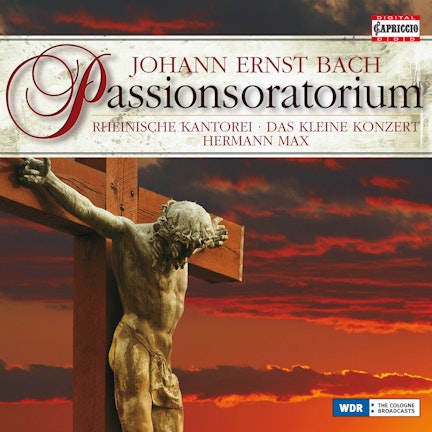
Bach: Passions-Oratorium
Bach: Passionsoratorium - Wenn Donnerwolken uber dir sich turmen - Meine Seele erhebt den Herrn