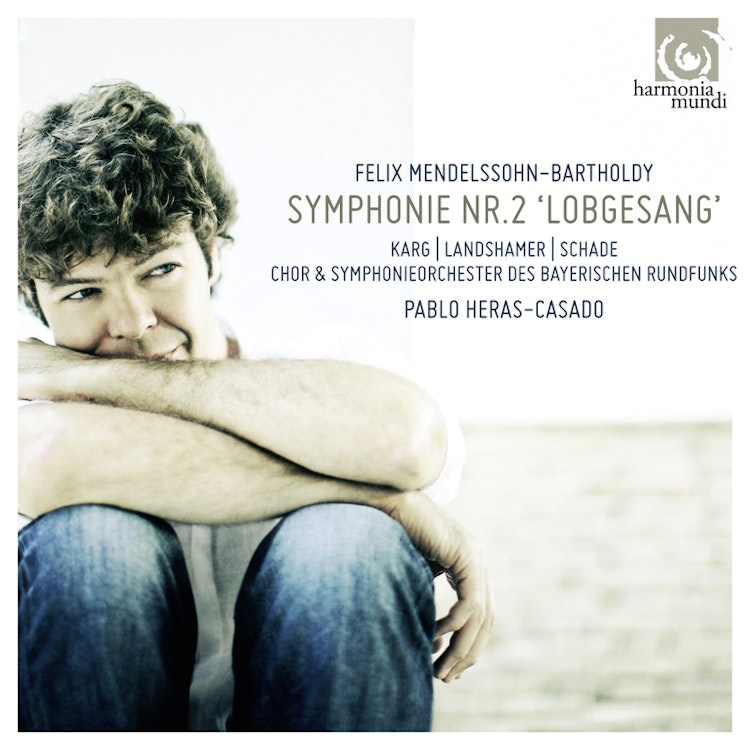
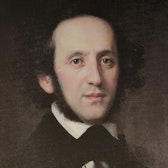
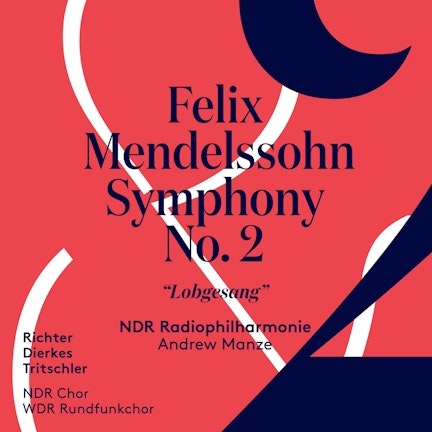
While some critics, like Moritz Hauptmann, found the formal layout of Lobgesang lacking, Robert Schumann praised its architecture as one of Mendelssohn's 'freshest and most charming' works.
Compositional Technique
The work features a recurring motto, first intoned by trombones, which serves as the core idea and delivers its true message with the psalm text 'Let everything that hath breath praise the Lord' at the first choral entry.
Composition History
Mendelssohn's Lobgesang (Hymn of Praise) was commissioned by the city of Leipzig to commemorate the 400th anniversary of the invention of printing with movable type.
Historical Context
The invention of printing with movable type, celebrated by this work, was considered by Mendelssohn to be a central turning point in intellectual and cultural history.
Notable Performances
The premiere of Mendelssohn's Lobgesang was part of a grand concert in Leipzig's Thomaskirche on June 25, 1840, which also included Weber's Jubel-Ouvertüre and Handel's Dettingen Te Deum.
Composer's Artistic Vision
Mendelssohn intended his 'symphony-cantata' to have a genuinely spiritual character, aligning with Martin Luther's wish to see all arts, especially music, in the service of God.