In the 1930s and 1940s, Messiaen developed his own scales, which he called "modes with limited transpositions," creating melodies and harmonies distinct from traditional major/minor music.
Instruments
The organ in Holy Trinity Church, Copenhagen, where this recording was made, features a Baroque facade from 1731 but was rebuilt in 1977 to accommodate both Romantic and contemporary organ literature.
Compositional Technique
Messiaen integrated diverse global musical elements into his compositions, including Indian rhythms, South American melodies, Balinese gamelan, Japanese gagaku music, and birdsong from five continents.
Performer Biography
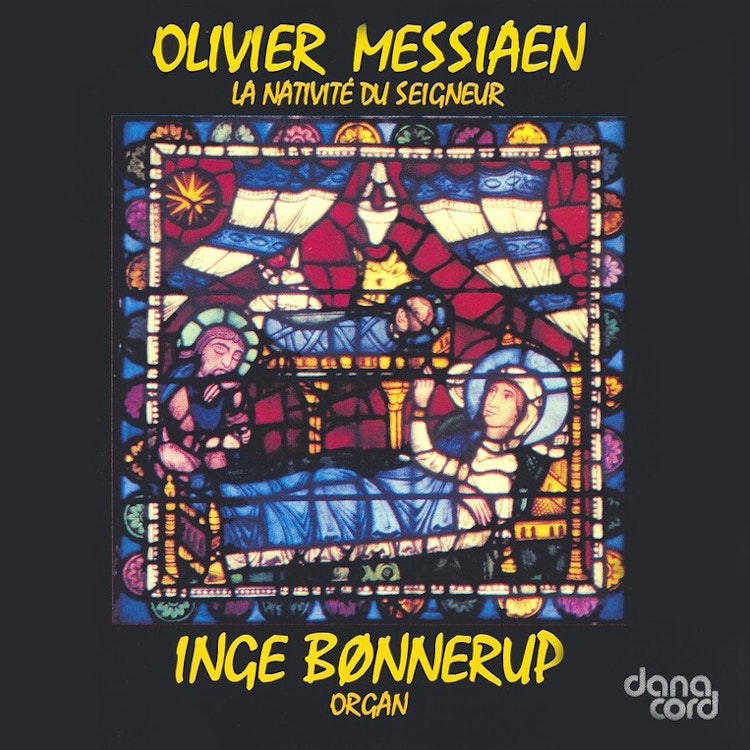
Inge Bønnerup, the Danish organist on this recording, has performed extensively across Scandinavia, England, Germany, France, Italy, and Australia since her debut in 1964.
Composer's Artistic Vision
After 1950, birdsong became Messiaen's most important source of inspiration; he considered birds his greatest teachers and transcribed their songs into musical notation.
Composer's Artistic Vision
Messiaen's music is deeply rooted in his Catholic faith, with his works serving as a declaration of faith and an attempt to make it intelligible to others.
Composer Biography
Olivier Messiaen, born in Avignon in 1908, became an organist at the Church of the Holy Trinity in Paris at the age of 23.
You might also enjoy...
Langgaard, R.: Messis / In Tenebras Exteriores
Dupre: Chemin De La Croix (Le), Op. 29
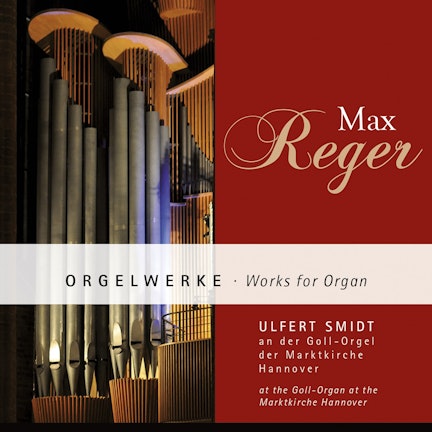
Max Reger: Orgelwerke (Works for organ)
Thomas Lacôte: Streams 7/10 – Improvisations Grand Orgue de la Trinité, Paris (2024)
Flammer: Superverso per organo
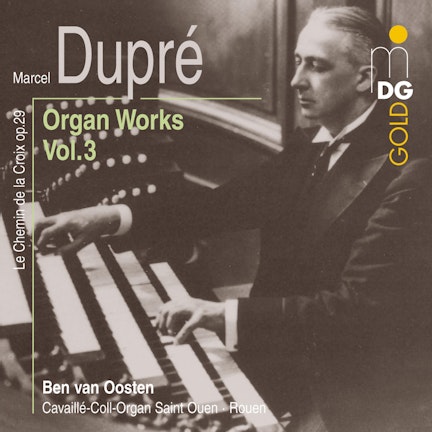
Dupré: Complete Organ Works Vol. 3
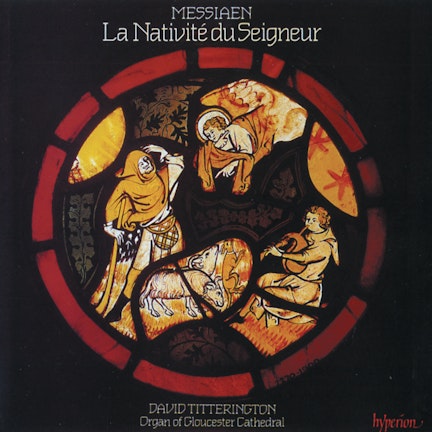
Messiaen: La Nativité du Seigneur (Organ of Gloucester Cathedral)
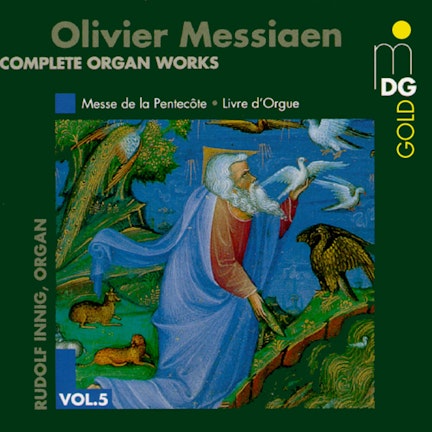
Messiaen: Complete Organ Works Vol. 5
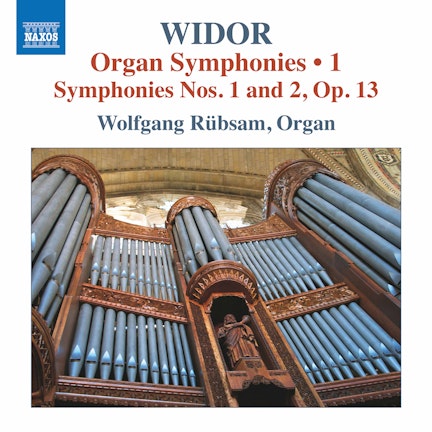
Widor: Organ Symphonies, Vol. 1
Messiaen: Méditations sur le mystère de la Sainte Trinité (Movimentos Edition)
Hamel: Organum
Messiaen: La Nativité du Seigneur
Messiaen: La Nativité du Seigneur; La Tranfiguration de Notre Seigneur Jésus Christ
Dupre: Works for Organ, Vol. 11
Plain Songs: "Love Comes Quietly" (after Robert Creeley)