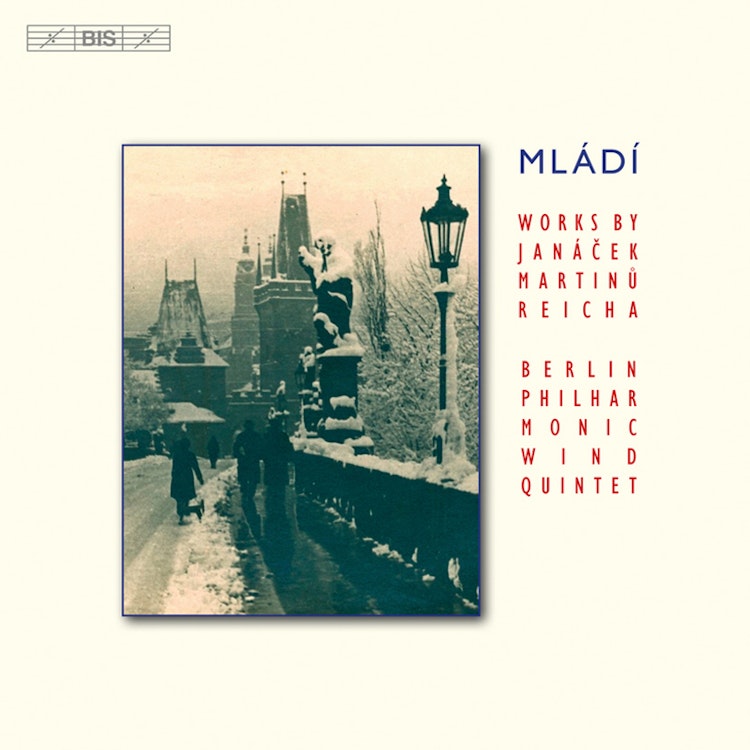
Martinů's Sextet for piano and winds features an unusual instrumentation, replacing the horn of a standard wind quintet with a second bassoon, and includes a movement written only for flute and piano.
Notable Performances
The premiere of Janáček's Mládí was marred by instrument malfunctions, including a broken clarinet spring that left only five musicians playing at the end, leading Janáček to exclaim, 'I wrote a sextet, not a quintet'.
Composer Biography
Bohuslav Martinů, another composer on this album, was expelled from the Prague Conservatory for 'irredeemable indolence' in his violin studies, as his interest in composition took precedence.
Compositional Technique
Reicha's wind quintets often feature formally unconventional sequential structures in their first movements, departing from classical sonata form, and sometimes include a strict fugue as a middle section in slow movements.
Composition History
Anton Reicha is considered the 'father' of the wind quintet genre, having composed 25 quintets and three independent movements between 1811 and 1820 that form the cornerstone of the classical wind quintet repertoire.
Composition History
Bohuslav Martinů's Sextet for piano and winds, H174, was composed in just one week in 1929, during a period when he was integrating influences from Stravinsky, neo-classicism, jazz, and folk music into his style.
Composer Biography
Anton Reicha, a composer featured on this album, was a distinguished flautist and teacher at the Paris Conservatoire, where his pupils included Berlioz, Gounod, Franck, and Liszt.
You might also enjoy...
Elgar: Music For Wind Quintet, Vol. 1
Echoes of Bohemia - Czech music for wind
Nielsen, C. / Francaix: Wind Quintets
Ligeti, Nielsen & Dvorak: Woodwind Quintets
Piazzolla: Wind Music
Mozart, W.A.: Serenade No. 12 / Beethoven, L. Van: String Quintet, Op. 4 (Arr. for Wind Quintet)
Taffanel: Wind Quintet; Françaix: Wind Quintet
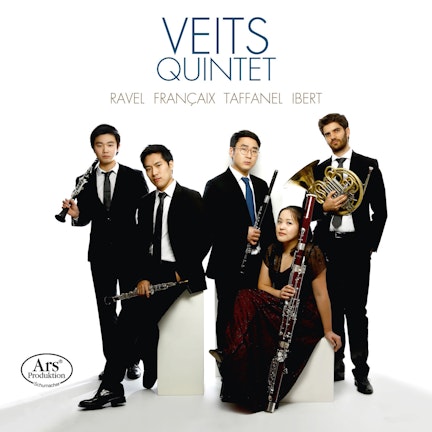
Ravel, Françaix, Taffanel & Ibert: Chamber Works
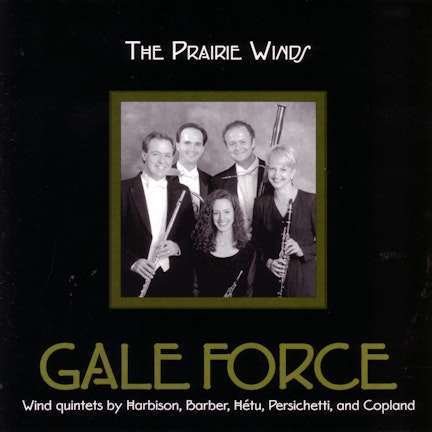
The Prairie Winds
Caplet: Les Oeuvres pour Vents
Onslow, Wind Quintet, Sextet
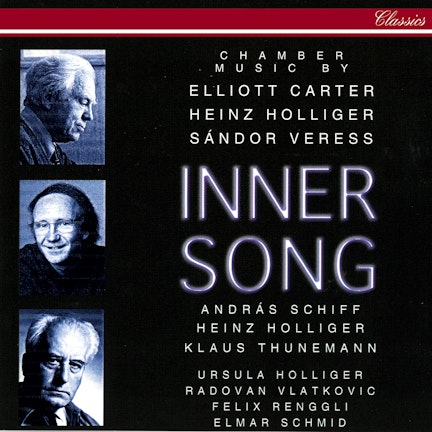
Inner Song - Chamber Music By Carter, Veress & Holliger
Diamond: Chamber Music
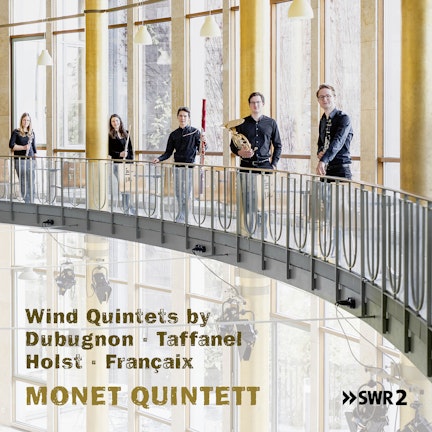
Dubugnon, Taffanel, Holst and Françaix: Wind Quintets