The tuning used in this recording is about a semitone higher than modern pitch, reflecting historical sources for northern Italy, and the continuo instruments are tuned in mean tone temperament.
Compositional Technique
Monteverdi's Sixth Book of Madrigals features a contrast between traditional polyphonic technique and a modern style that includes more solo passages with an almost instrumental character.
Composition History
The text for the 'Sestina' (Tears of a Lover in the Sepulchre of his Beloved) was written by Scipione Agnelli to commemorate the death of Caterina Martinelli, Monteverdi's pupil.
Composition History
The 'Lamento d'Arianna' (Lament of Arianna), a very well-known piece at the time, was transcribed into madrigal form at the request of an unidentified Venetian nobleman.
Composer Biography
Claudio Monteverdi's Sixth Book of Madrigals was deeply influenced by the deaths of his wife, Claudia Cattaneo, in 1607, and his favorite pupil, Caterina Martinelli, in 1608.
Recording & Production
This recording uses a 1620 edition of Monteverdi's madrigals, which includes a basso continuo that was absent in the first edition, adding greater sumptuousness to the texture.
Composer's Artistic Vision
Monteverdi's brother, Giulio Cesare Monteverdi, stated that Claudio's intention in this type of music was for the 'discourse to be master of the harmony and not its servant'.
You might also enjoy...
Per voi lasso
Gesualdo: Madrigals, Books 5 & 6
Gesualdo: Madrigali, Libri primo & secondo
Gesualdo: O dolce mio tesoro. Madrigali a cinque voci, Libro sesto (1611)
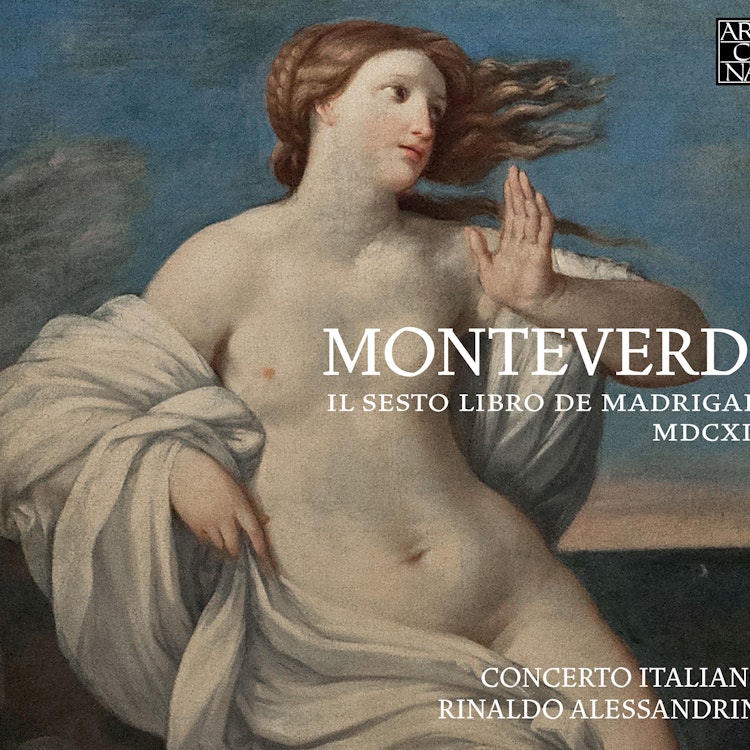
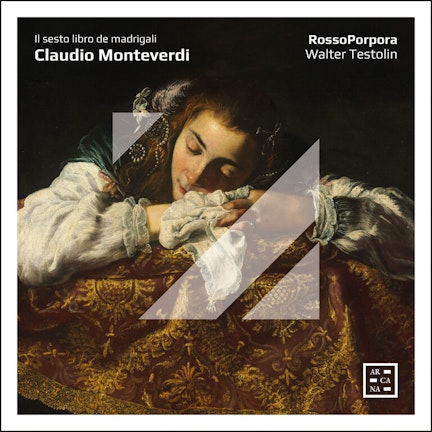
Monteverdi: Il sesto libro de madrigali
Luca Marenzio: Madrigali á 5 voci, Libro 9 (Excerpts)
Gesualdo: Dolcissima mia vita. Madrigali a cinque voci, Libro quinto (1611)