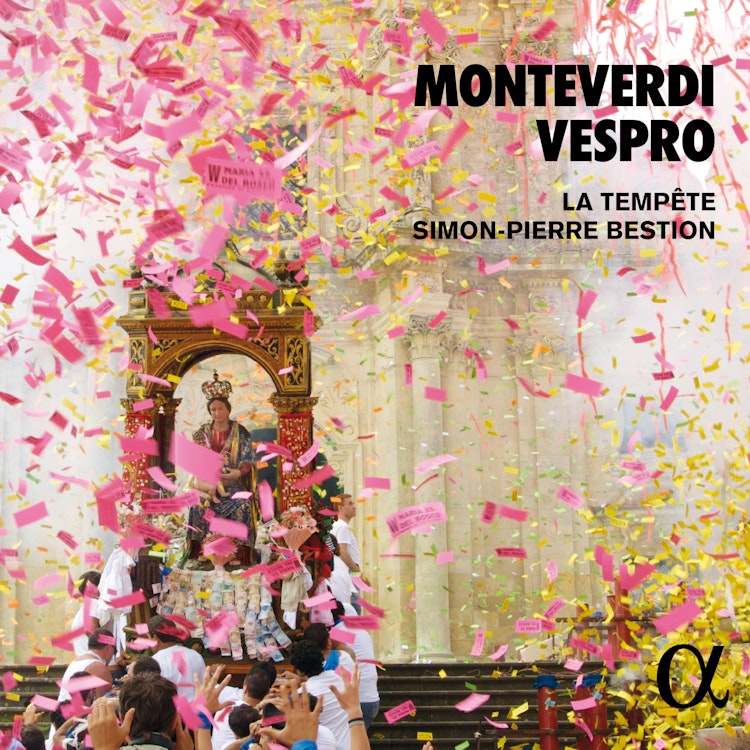
Monteverdi's Vespers were dedicated to Pope Paul V and published in Venice in 1610, but the composer likely had parts performed earlier while in Mantua.
Historical Context
Venice, though in decline, was one of the two main Mediterranean ports, looking towards the East and hosting diverse merchants like Turks, Persians, Sephardic Jews, and Armenians.
Composition History
Monteverdi sought a position as maestro di cappella at St Peter's in Rome and a bursary for his son to study at the Vatican, but neither came to fruition.
Interpretation
Simon-Pierre Bestion believes that early music interpretation is still too influenced by 19th-century reforms, which stripped church music of its rhythms, ornaments, and vocal colors.
Interpretation
The conductor, Simon-Pierre Bestion, chose to add a serpent, an instrument typically used in French music, to evoke the sound of the shofar and reflect Venice's cosmopolitanism.
Interpretation
Simon-Pierre Bestion's interpretation of Monteverdi's Vespers is a personal re-imagining, not a historically strict performance, including added instrumental parts and repeated text sections.
Interpretation
This recording incorporates Gregorian antiphons sung by Eugénie de Mey and fauxbourdons from a 17th-century manuscript to juxtapose different musical styles of the era.
You might also enjoy...
Schütz: Psalms of David, SWV 22-47
Monteverdi: Il Vespro della Beata Vergine
Handel: Dettingen Te Deum & Te Deum in A Major
Monteverdi: Vespro della Beata Vergine (1952-1953)
Monteverdi: Vespers of the Blessed Virgin & Magnificat
Schütz: Opus ultimum. Der Schwanengesang, Op. 13, SWV 482 - 494