Alessandro Scarlatti, a co-founder of the Neapolitan school, used "word painting" in his motet De tenebroso lacu, where instruments descend to depict souls sighing from the depths of purgatory.
Recording & Production
Two of the motets on this album, Nicola Porpora's Regina Cæli and Leonardo Leo's Turbido cælo mare furentes, are world premiere recordings.
Historical Context
Naples was the third-largest city in Europe by the second half of the 17th century and played a leading role in musical education, often overlooked in favor of Vienna and Paris.
Historical Context
The term "conservatory" originated in Naples, referring to institutions that trained young musicians, many of whom were poor or orphaned children.
Historical Context
Due to a ban on women singing in Catholic churches, motets were often written for castrati, highly skilled male singers trained in conservatories.
Composer Biography
All three composers on this album—Alessandro Scarlatti, Nicola Porpora, and Leonardo Leo—had direct connections to Naples's famous music conservatories.
Interpretation
This album revives 18th-century motet repertoire, often unheard for centuries, performed by female contraltos or counter-tenors in place of castrati.
You might also enjoy...
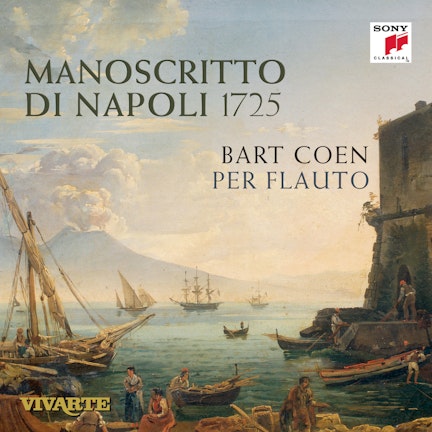
Manoscritto di Napoli
Telemann, G.: Ich Danke Dem Herrn / Ach Wie Nichtig, Ach Wie Fluchtig / Singet Dem Herrn Ein Neues Lied
Georg Philipp Telemann: Ein feste Burg. Vokal- und Instrumentalmusik
Theatre Of Early Music - Here Let My Life
Bach: Wo soll ich fliehen hin
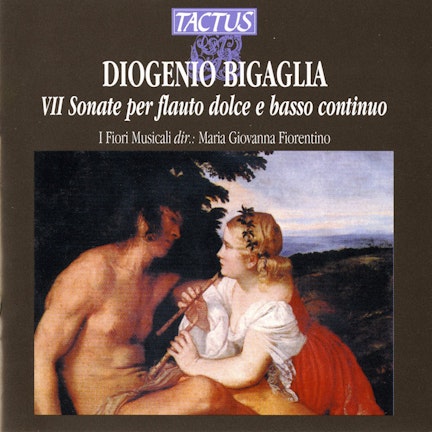
Bigaglia: VII Sonate per flauto dolce e basso continuo
Salvolini: Missa defunctorum - Missa brevis in G major - Mass in D major - Motets - Hymns
Æternum: Music of the Elizabethan Avant Garde from Add. MS 31390
Festive Masses for Lambach Abbey
Charpentier, Couperin & Moulinié: Le Concert des Violes
Il fagotto virtuoso
Marcello, A.: Oboe Concerto in D Minor / Telemann, G.P.: Oboe Concerto in F Minor / Handel, G.F.: Oboe Concerto No. 3