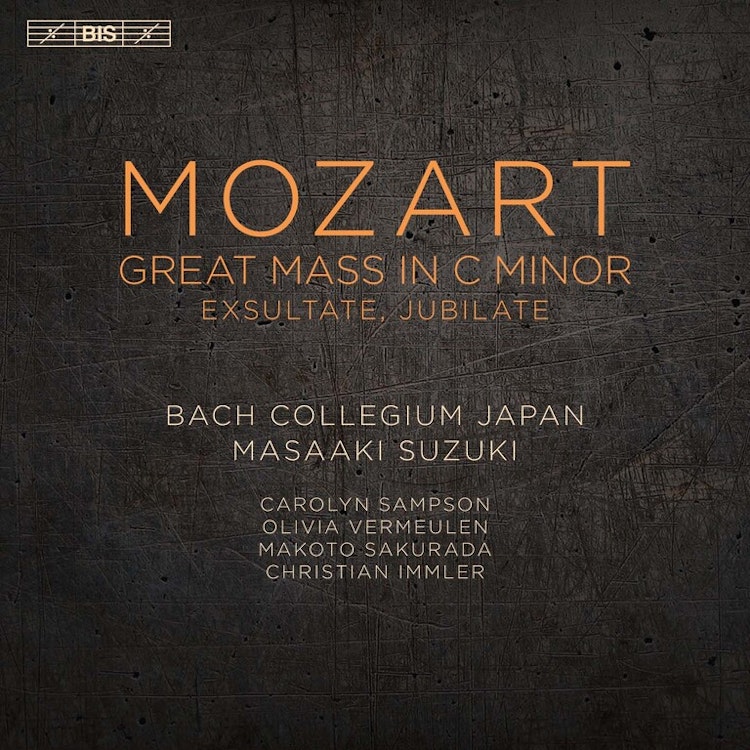
Mozart: Great Mass in C Minor & Exsultate, Jubilate
6/2/2017, 18 Tracks, 1:11:19
Winner of the Gramophone Classical Music Award 2018 (Choral)
Featuring
Masaaki Suzuki
Carolyn Sampson
Olivia Vermeulen
Makoto Sakurada
Christian Immler
Bach Collegium Japan
Bach Collegium Japan Chorus
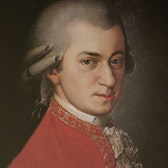
Wolfgang Amadeus Mozart
Did you know?
1/7
Composer's Artistic Vision
Mozart's Mass in C minor, K 427, is considered an important document of his conscious entry into the 'higher pathetic style of church music,' a concept identified by his biographer Georg Nikolaus Nissen.
Composition History
Mozart promised to write the Mass in C minor, K 427, before his marriage to Constanze Mozart, as a personal obligation.
Notable Performances
Parts of Mozart's Mass in C minor, K 427, were performed on October 26, 1783, in St Peter's Abbey in Salzburg, with his wife Constanze Mozart singing the prominent soprano solo parts.
Composition History
Mozart's Mass in C minor, K 427, was likely written in part as a votive mass related to his marriage plans with Constanze Mozart and a planned journey to Salzburg.
Compositional Technique
The Mass in C minor, K 427, employs unusual key changes, such as F major, A minor, D minor, G minor, and E minor within the C minor/C major tonality, to achieve exceptional expressive intensity.
Recording & Production
The incomplete sections of Mozart's Mass in C minor, K 427, on this recording are based on the arrangement by Franz Beyer, who completed the Credo, Et incarnatus est, Sanctus, Benedictus, and Hosanna.
Compositional Technique
The Mass in C minor, K 427, features an unusually rich wind instrument scoring for Mozart's sacred works, including two trumpets, timpani, two horns, three trombones, one flute, two oboes, two bassoons, strings, and organ.
You might also enjoy...
Bonporti Edition, Vol. 1 - Motets for Solo Voice
Handel: Silete venti
Vivaldi:Motets RV 627, 632, 630, 626
Handel: Latin Motets
Bonporti, F.A.: Motets, Op. 3, Nos. 1-6
Vivaldi: Motets for soprano
Nicola Porpora: Music for the Venetian Ospedaletto
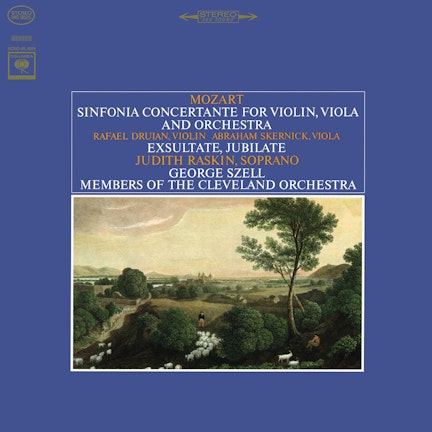
Mozart: Sinfonia Concertante, K. 364 & Exsultate, Jubilate, K. 165
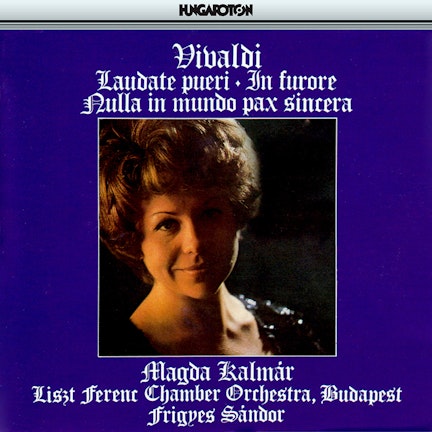
Vivaldi: Laudate Pueri Dominum / in Furore Giustissimae Irae / Nulla in Mundo Pax Sincera
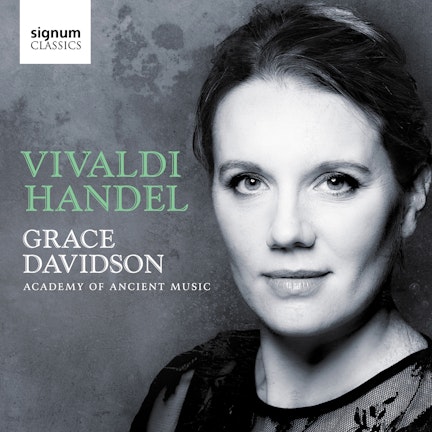
Vivaldi & Handel
Handel: Salve Regina / Trio Sonata in G Minor / Laudate Pueri