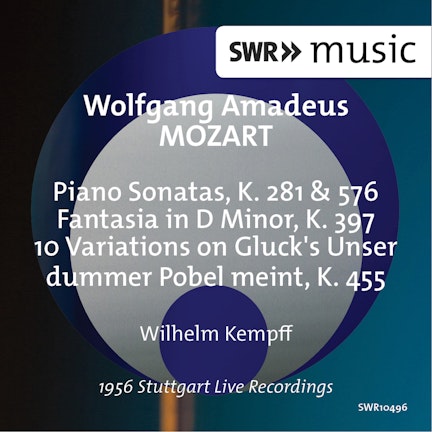
The D minor Fantasia, K.397, is known from an incomplete 1804 print and was later completed with a coda by August Eberhard Müller in an 1806 edition, though Mozart's original ending is unknown.
Compositional Technique
Mozart's G major Sonata, K.283, features numerous dynamic markings in its autograph manuscript, indicating he composed it with a touch-sensitive keyboard like the fortepiano in mind.
Compositional Technique
The D major Sonata, K.311, borrows from orchestrally-inspired textures and features a delayed main theme in the recapitulation, a novelty that attracted commentators.
Performer Biography
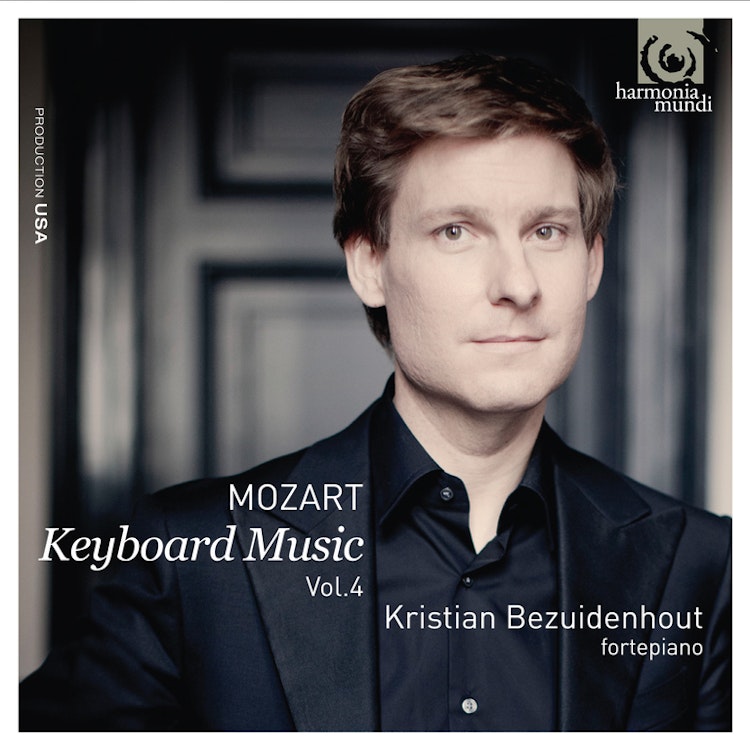
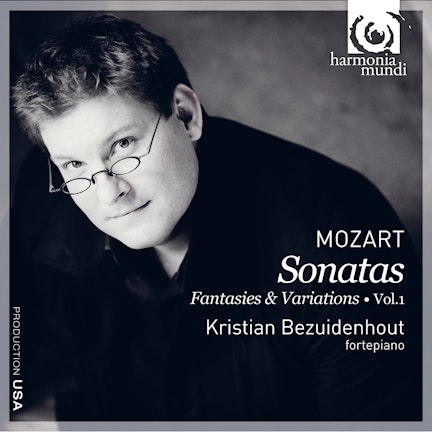
Kristian Bezuidenhout, the fortepiano performer on this album, won the prestigious first prize and audience prize at the Bruges Fortepiano Competition at age 21.
Historical Context
Mozart's initial encounter with the fortepiano in 1774-75 revealed he was not yet comfortable with its touch-sensitive capabilities, as fortepianos were likely unavailable in his native Salzburg before 1780.
Composition History
Mozart's Prelude and Fugue, K.394, was written after he discovered the fugal works of Bach and Handel in Baron Gottfried van Swieten's collection in Vienna in 1782.
Composer Biography
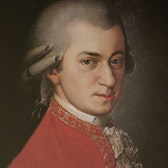
As an infant, Wolfgang Amadeus Mozart was noted for his ability to improvise at the harpsichord, even with a handkerchief placed over his hands.
You might also enjoy...
Mozart: Keyboard Music Vol.4
Mozart: Anne Queffélec
Mozart: Selected Piano Works
Haydn: Sonata in F Major - Mozart: Nine Variations on a Menuett by Duport, Fantasia in C Minor & Sonata in C Minor
Mozart: Keyboard Music Vol. 1
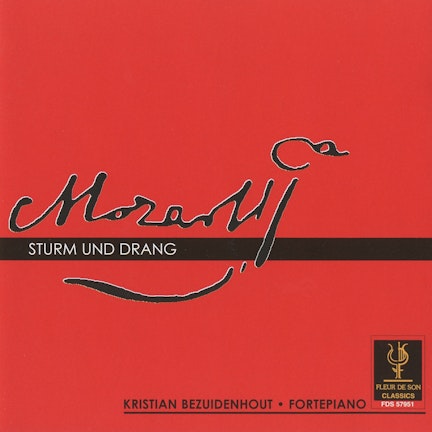
Mozart: Sturm und Drang
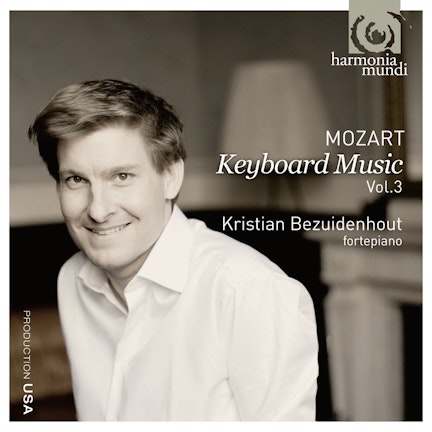
Mozart: Keyboard Music Vol. 3
Mozart: The Complete Piano Works, Vol. 3
Peter Serkin Plays Mozart
Mozart: Works for Piano
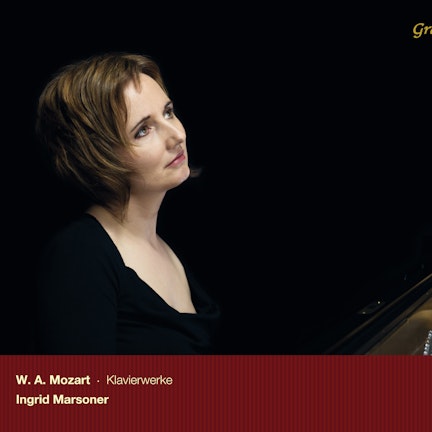
Mozart: Klavierwerke
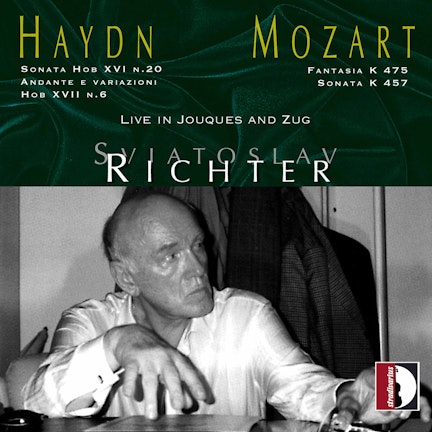
Haydn & Mozart: Piano Works (Live in Jouques & Zug)