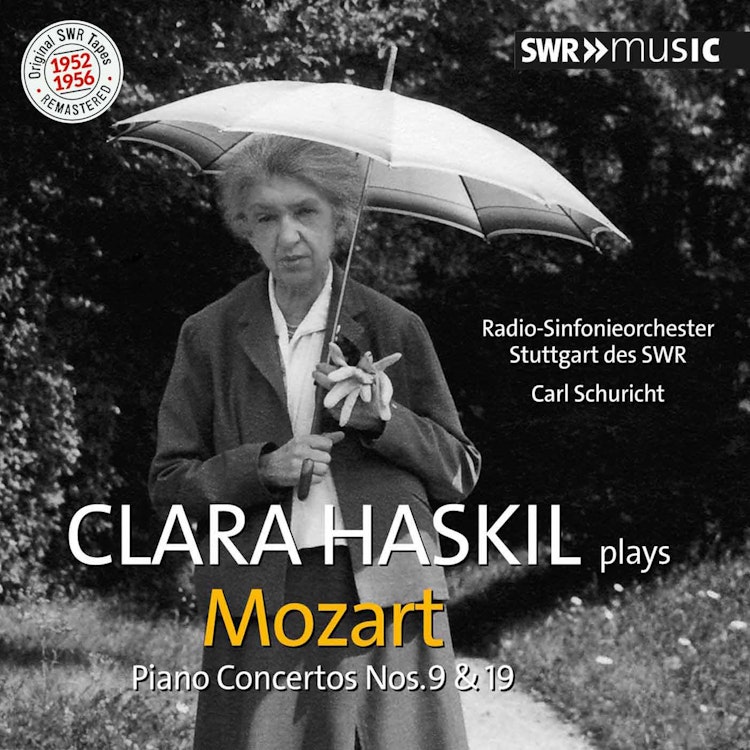
Clara Haskil, the pianist on this album, was a child prodigy who began studying at the Bucharest Academy of Music at age six and later won first prizes in both piano and violin.
Recording & Production
The 1952 recording on this album was made in the Straßenbahner-Waldheim in Stuttgart Degerloch, which served as a temporary studio and concert hall for the South German Radio after the war.
Interpretation
Clara Haskil's Mozart interpretations are described as timeless, characterized by natural instinct, masterful expression, and a 'singing' quality with romantic feeling.
Composer's Artistic Vision
Carl Schuricht's conducting philosophy was centered on absolute fidelity to the original work, guided by the creed: 'It is better to serve than to be served'.
Performer Biography
Clara Haskil's early career was hindered by a curvature of the spine, which she managed with a plaster corset, and by the political climate of Fascism in Europe.
Composer Biography
Carl Schuricht, the conductor on this album, was born before the 20th century and received his training in the tradition of classical-romantic symphonic repertoire.
Performer Biography
Clara Haskil achieved international fame relatively late in life, from 1950 until her death in 1960, and was admired by conductors like Ferenc Fricsay, Herbert von Karajan, and Igor Markevitch.
You might also enjoy...
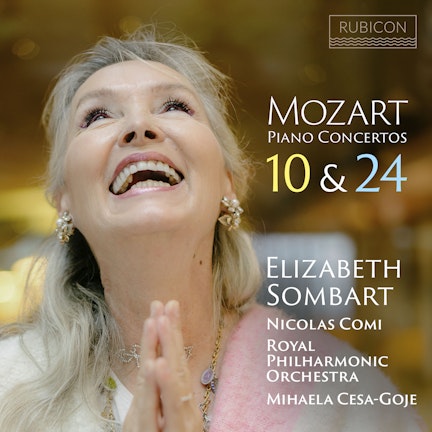
Mozart: Piano Concertos 10 & 24
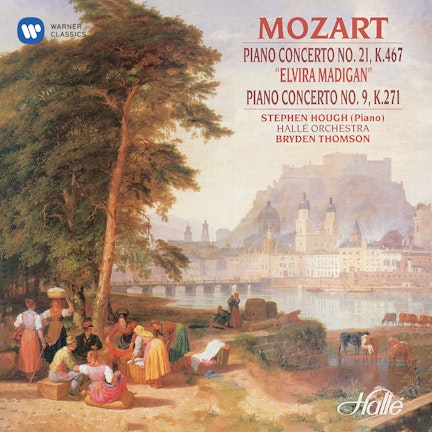
Mozart: Piano Concertos Nos. 9 "Jeunehomme" & 21 "Elvira Madigan"