Mozart's first four piano concertos, KV 37, 39, 40, and 41, are "pasticcio" works, meaning they were created by reworking movements from sonatas by other composers.
Compositional Technique
Mozart's method for creating these concertos involved retaining the original musical text for the solo sections and adding orchestral ritornellos, sometimes incorporating original material and making other non-mechanical alterations.
Performer Biography
Jean-Efflam Bavouzet, the pianist on this recording, is an exclusive Chandos artist celebrated for his recordings, including complete Haydn piano sonatas and Beethoven piano concertos.
Historical Context
The composers whose works Mozart adapted for his early concertos—Hermann Friedrich Raupach, Leontzi Honauer, Johann Gottfried Eckard, and Johann Schobert—were all German keyboard composers living in Paris during Mozart's visit in 1763-64.
Critical Reception
The neglect of Mozart's first four piano concertos is partly due to them being considered juvenile works by an eleven-year-old and based on compositions by "minor masters" who are largely forgotten.
Interpretation
The performers on this recording, Jean-Efflam Bavouzet and Gábor Takács-Nagy, chose deliberately forward-moving tempos, likely faster than what would be practicable on a harpsichord.
Composer Biography
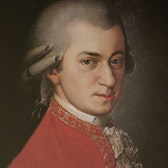
Mozart was only eleven years old when he created his first four piano concertos in 1767, under the guidance of his father, Leopold Mozart.
You might also enjoy...
Mozart: Piano Concertos, Vol. 7
Mozart: Symphony No. 14, K. 114; Three Piano Concertos after J.C. Bach, K. 107
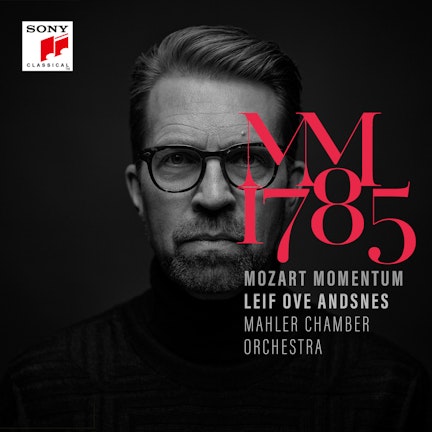
Mozart Momentum - 1785
Mozart Momentum - 1785
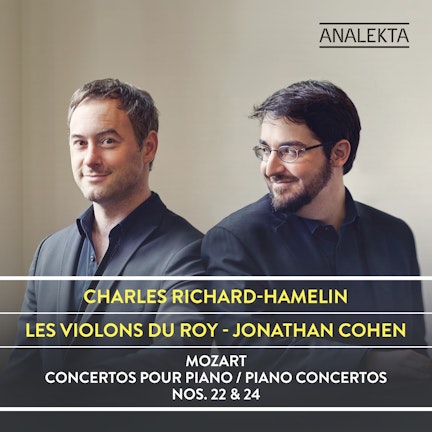
Mozart: Piano Concertos Nos. 22 & 24
Mozart: The Piano Concertos, Vol.2
Mozart: Piano Concertos Nos. 5 & 6 etc
Mozart: Piano Concertos Nos. 4, 26 & 27
Robert Casadesus plays Mozart - Sony Classical Masters
Mozart: The Piano Concertos, Vol.3
Mozart, W.A.: Piano Concertos, Vol. 1 - Nos. 5, 12, 13, 14, 23 / Rondo, K. 382