Mozart: Serenata notturna, 3 Divertimenti & Eine kleine Nachtmusik
9/1/2017, 17 Tracks, 1:05:04
Featuring
Terje Tønnesen
Camerata Nordica
Wolfgang Amadeus Mozart
Did you know?
1/7
Composition History
The Serenade in G major, K525, 'Eine kleine Nachtmusik', originally had a minuet and trio movement that has since been lost.
Composition History
Many of Mozart's best-loved pieces were 'occasional works' intended for events like receptions, parties, balls, banquets, ceremonies, and celebrations.
Performer Biography
Camerata Nordica, the ensemble on this recording, performs standing up and without a conductor, which contributes to its energetic and unified musical profile.
Historical Context
In Mozart's time in Salzburg, a typical serenade could have up to ten movements and would be performed around 9 PM, while a notturno would be played a couple of hours later.
Interpretation
Terje Tønnesen, the violinist and director, and his Camerata Nordica explore Mozart's playfulness by including a Swedish nyckelharpa (keyed fiddle) in 'Eine kleine Nachtmusik' and giving the timpanist a prominent role in the 'Serenata notturna'.
Composer's Artistic Vision
Leopold Mozart, Wolfgang Amadeus Mozart's father, described a successful piece as "Short, easy and popular… written in a natural, flowing and easy style - and at the same time bearing the marks of sound composition."
Performer Biography
Terje Tønnesen, the violinist and director, made his debut at 17, an event described by the Norwegian press as "so dazzling that it was almost unprecedented."
You might also enjoy...
Mozart: 3 Divertimenti; Serenata Notturna
Mozart: Eine kleine Nachtmusik; Serenata Notturna; Divertimenti, K.136, K.137 & K.138
Mozart: Kleine Nachtmusik (Eine) / Divertimentos, K. 136-138
Mozart: Divertimenti Nos. 1-3, Kk. 136-138 & Serenade No. 13, K. 525 "Eine kleine Nachtmusik"
The Tube Only Night Music
Mozart: Divertimentos, K. 136-138 & Serenade No. 13 in G Major, K. 525 "Eine kleine Nachtmusik"
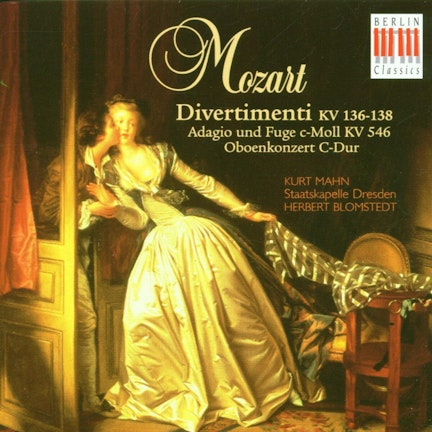
Mozart: Divertimenti, K. 136-138, Oboe Concerto in C Major & Adagio and Fugue in C Minor KV 546
Mozart: Nachtmusik...
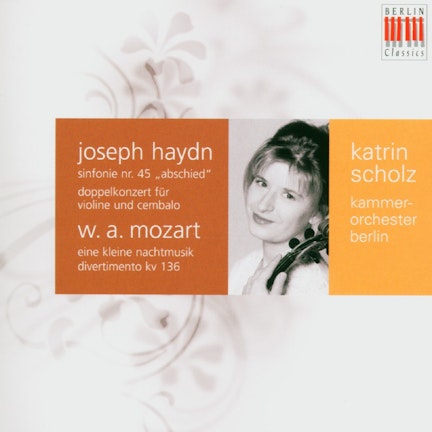
Haydn: Double Concerto for Violin, Harpsichord and Strings & Symphony No. 45 "Farewell Symphony" - Mozart: Divertimento "Salzburg Symphony" No. 1 & Serenade No. 13 "Eine Kleine Nachtmusik"