During a three-and-a-half-year European tour, the child prodigies Wolfgang Amadeus Mozart and his sister Nannerl gave concerts in over 80 cities, gaining immense musical experience.
Historical Context
Mozart composed his Symphony No. 41, the 'Jupiter' Symphony, in 1788 during an economic crisis in Austria, marked by inflation, hunger, and war against the Ottomans.
Composition History
Mozart's Symphony No. 1 was written when he was eight years old, in London, because his father Leopold was ill and no one was allowed to play the piano in the house.
Composer's Artistic Vision
In London, Mozart met Johann Christian Bach and Carl Friedrich Abel, whose influence is unmistakably heard in his early symphonies, as he studied and imitated their musical language.
Compositional Technique
The 'Jupiter' Symphony's final movement is notable for its virtuosic craftsmanship, uniquely fusing sonata form with up to five-part counterpoint and a fugue in the development.
Performer Biography
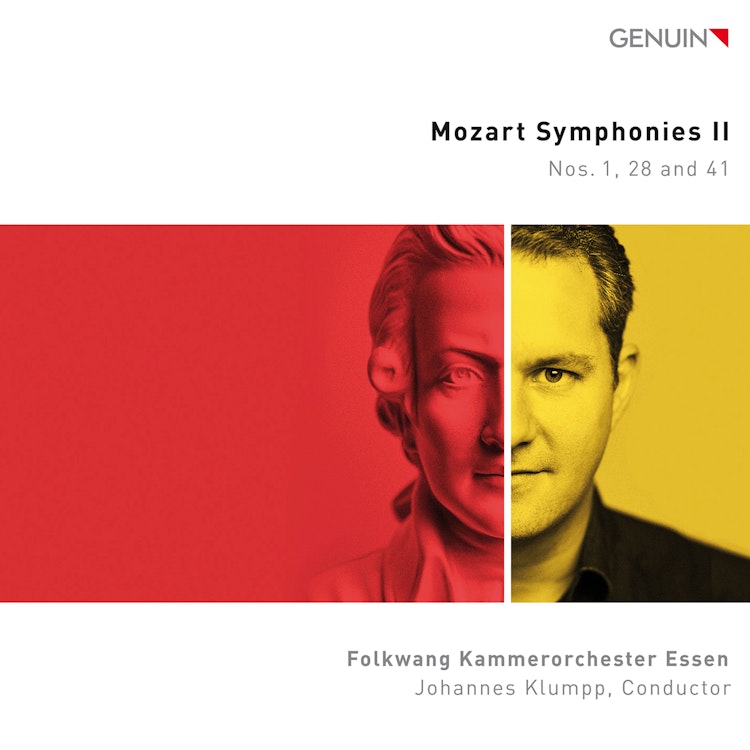
Johannes Klumpp, the conductor, has been chief conductor and artistic director of the Folkwang Chamber Orchestra Essen since the 2013/2014 season, focusing on Mozart's works.
Album & Artwork
This album, "Mozart Symphonies II," continues a series by the Folkwang Kammerorchester Essen and features symphonies marking the beginning and end of Mozart's symphonic output.
You might also enjoy...
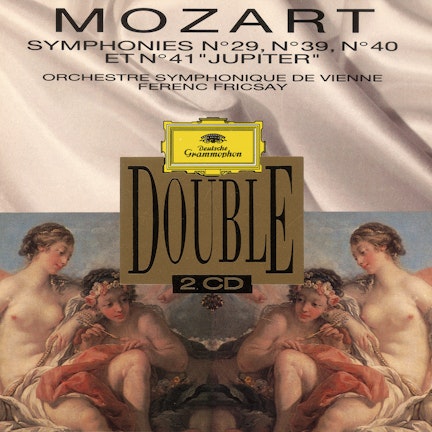
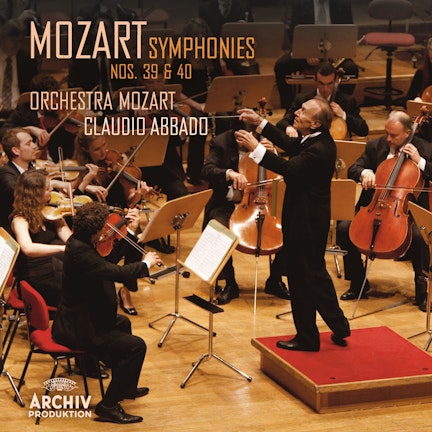
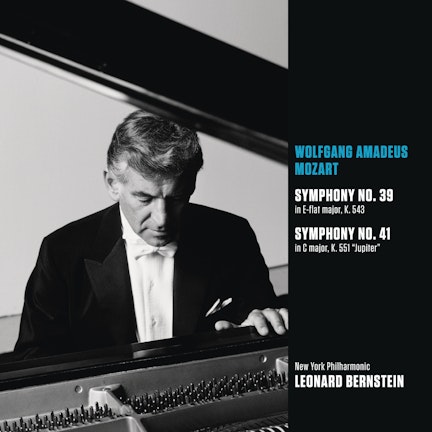
Mozart Symphonies Nos. 39, 40, 41
Mozart: Symphonies Nos. 39, 40 & 41: Classic Library Series