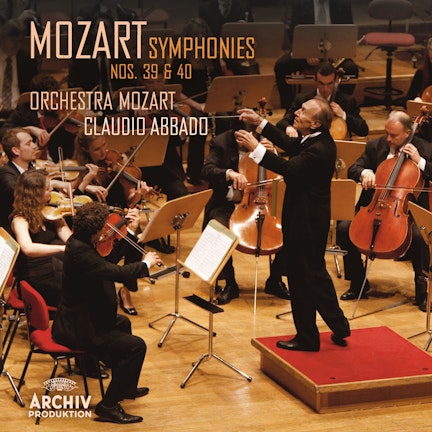
Mozart's Symphony No. 40 in G minor, K 550, exists in two versions, with the second adding two clarinets and modifying the wind writing.
Compositional Technique
The final movement of Mozart's Symphony No. 41 in C major, K 551 ('Jupiter'), is considered a pinnacle of his symphonic output, weaving five themes into a complex fugal texture.
Composition History
There is no evidence that Mozart wrote these three symphonies for a specific occasion or commission, though he may have intended them for concerts at a casino or a planned visit to England.
Composer's Artistic Vision
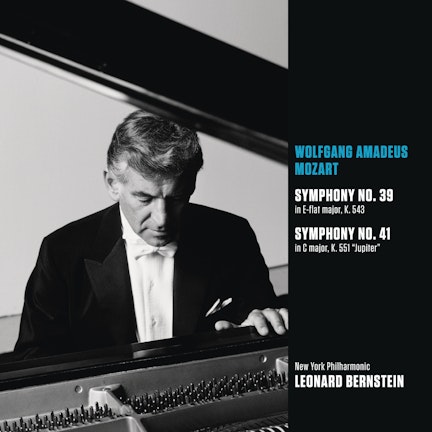
Mozart's Symphony No. 39 in E-flat major, K 543, with its festive and ceremonial opening, foreshadows the world of his later opera, Die Zauberflöte (The Magic Flute).
Composer Biography
Despite facing financial difficulties and repeatedly asking a friend for loans, Mozart maintained a high standard of living, with an income exceeding that of an average employee.
Composition History
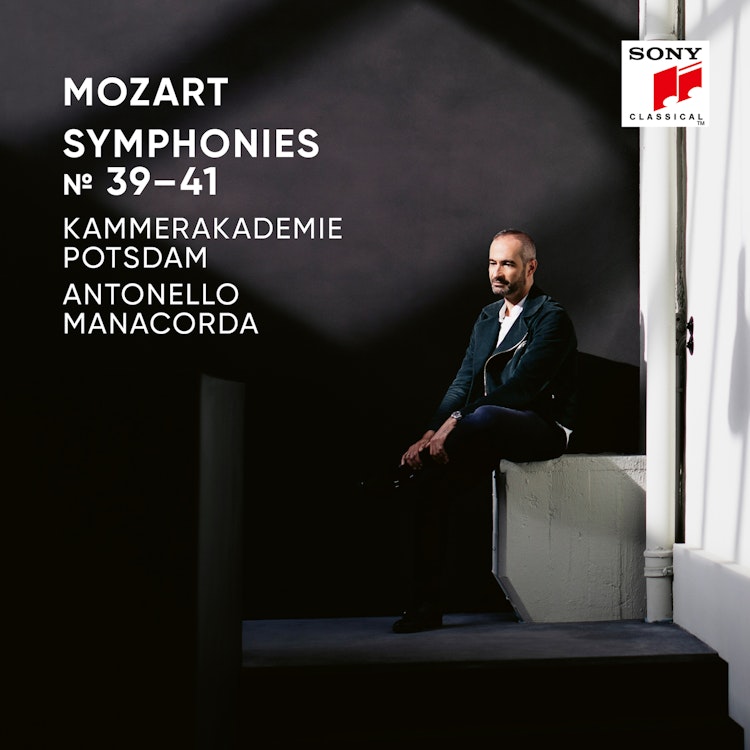
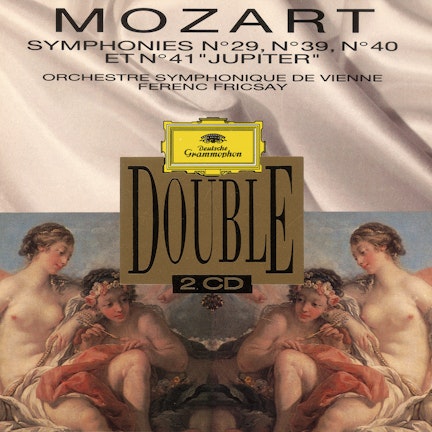
Mozart composed his last three symphonies—No. 39, No. 40, and No. 41—in just two months during the summer of 1788.
Cultural Impact
Mozart's Symphony No. 41 in C major, K 551, acquired its nickname 'Jupiter' in the early 19th century, in deference to the father of the Roman gods.
You might also enjoy...
Mozart: Symphonies Nos. 1, 28 & 41
Mozart: Symphonies Nos. 39, 40 & 41: Classic Library Series