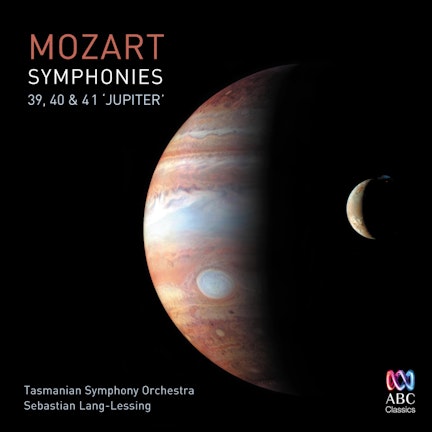
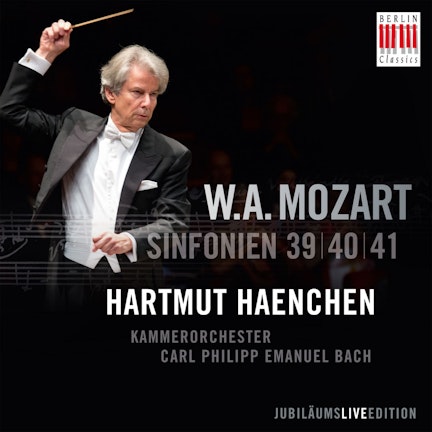
In his symphonic 'trilogy' (Symphonies 39, 40, 41), Mozart aimed to illuminate all aspects of human expression, regardless of his personal circumstances.
Composition History
The Bassoon Concerto in B flat major, K191, is Mozart's first concerto written for a wind instrument.
Instruments
The bassoon of Mozart's time was a 'primitive creature' compared to modern instruments, made of maple with a different bore design and only four or five keys, giving each note its own special tone colour.
Compositional Technique
Mozart's Symphony No. 41, 'Jupiter', is notable for its synthesis of sonata form and fugue, a compositional 'tour de force'.
Interpretation
Jane Gower, the solo bassoonist on this album, notes that the varied tone colours and flexibility of historical bassoons were valued and exploited in Mozart's time, allowing for more expressive chromatic passages and dramatic interval leaps.
Composer Biography
Despite being an admired composer, Mozart faced financial difficulties and a decline in social standing in Vienna, partly due to the city's preference for more conservative 'galant' music.
Composition History
Mozart composed his last three symphonies (Nos. 39, 40, and 41) in a period of just ten weeks during the summer of 1788, at the age of 32.