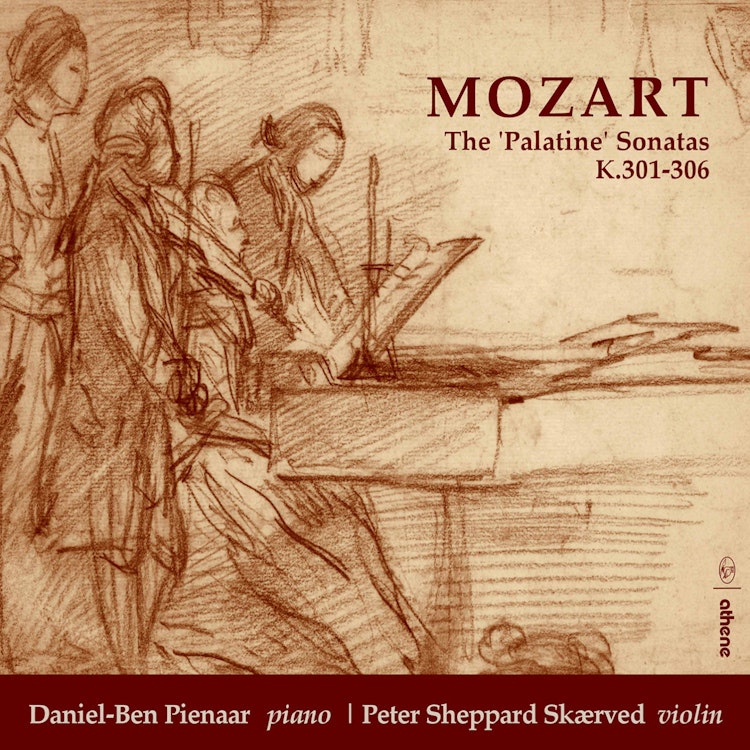
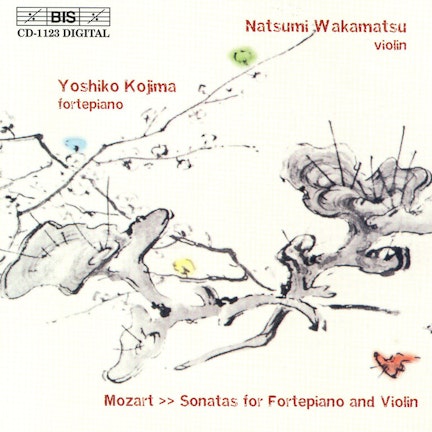
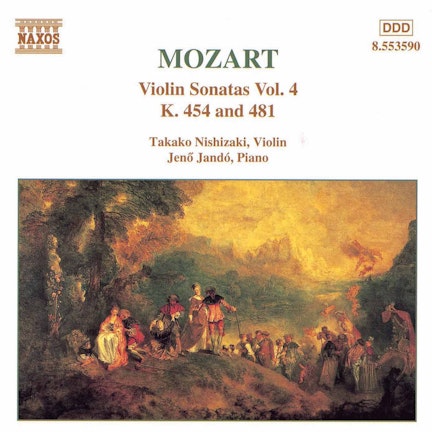
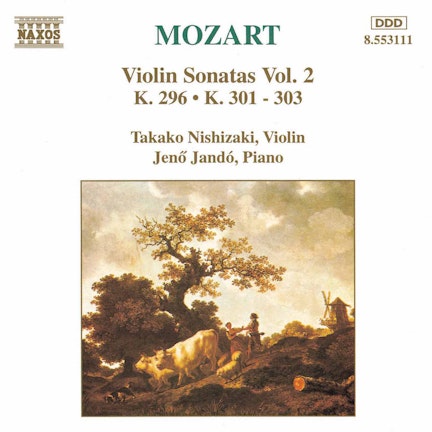
Mozart dedicated these sonatas to Countess Palatine Elisabeth Auguste of Sulzbach, who was Electress Palatine and Electress of Bavaria.
Composer Biography
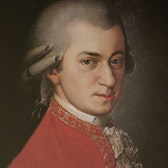
Mozart's mother died on July 1, 1778, around the time of the composition of the E minor Sonata, K.304, which is his only work in that key.
Performer Biography
Daniel-Ben Pienaar, the pianist on this recording, is an elected Fellow of the Royal Academy of Music in London and is known for his substantial discography.
Compositional Technique
Mozart's 'Palatine' sonatas are considered the beginning of his mature engagement with the piano and violin combination, distinguishing them from his earlier works.
Composition History
Mozart began composing these six sonatas, known as the 'Palatine' sonatas, in Mannheim and completed them in Paris in 1778.
Compositional Technique
Unlike many 18th-century 'accompanied' sonatas where the keyboard accompanied the violin, Mozart's sonatas are of the type where the violin officially accompanies the keyboard.
Compositional Technique
The initial inspiration for these sonatas came from six pieces by Dresden-born composer Joseph Schuster, which Mozart admired for their energetic relationship between instruments.
You might also enjoy...
Mozart, W.A.: Complete Sonatas for Violin and Piano
Mozart: Duo Sonatas, Vol. 2
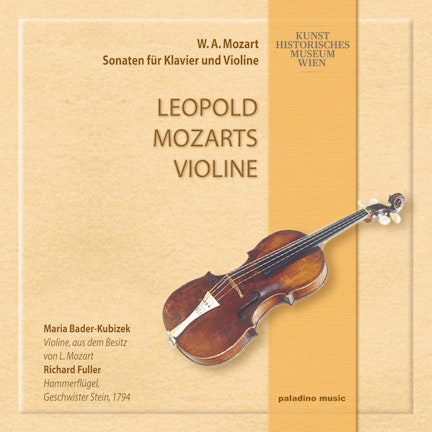
Leopold Mozarts Violine
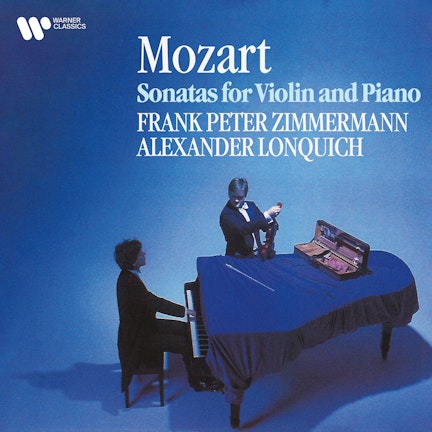
Mozart: Sonatas for Violin and Piano
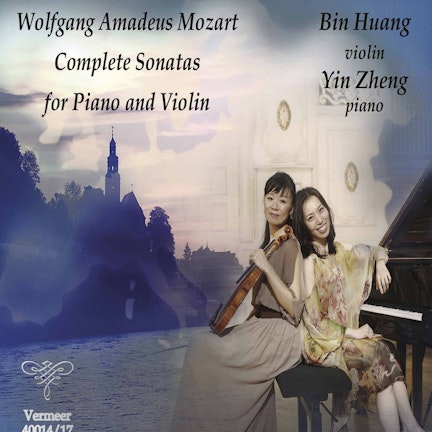
Mozart: Complete Sonatas for Piano & Violin
Mozart: Violin Concertos & Sonatas
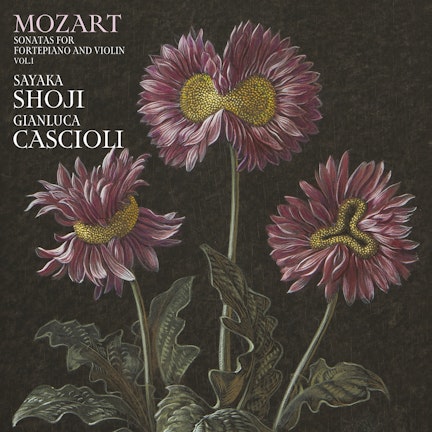
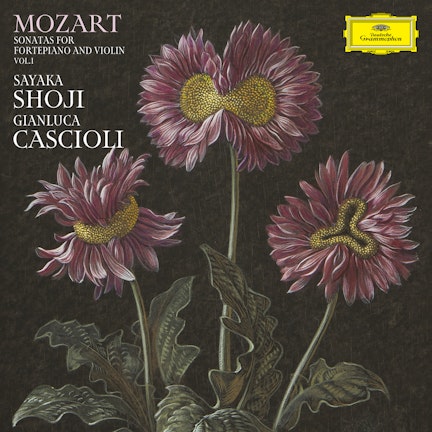
Mozart: Sonatas for Fortepiano and Violin Vol. 1
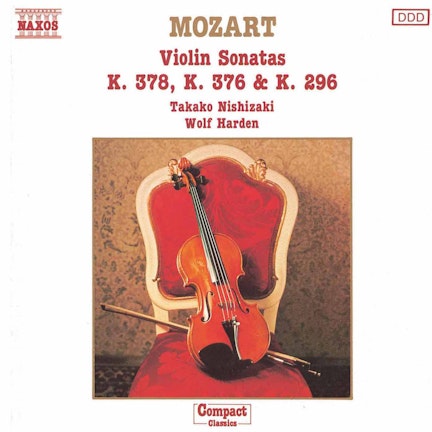
Mozart: Violin Sonatas, K. 378, K. 376 and K. 296
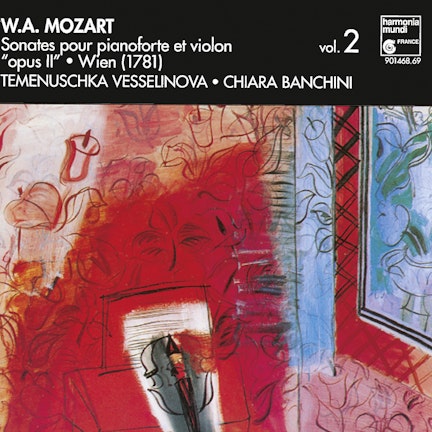
Mozart: Sonatas "Opus II" for Pianoforte and Violin
Mozart: Violin Sonata No. 21 in E Minor, K. 304: II. Tempo di minuetto