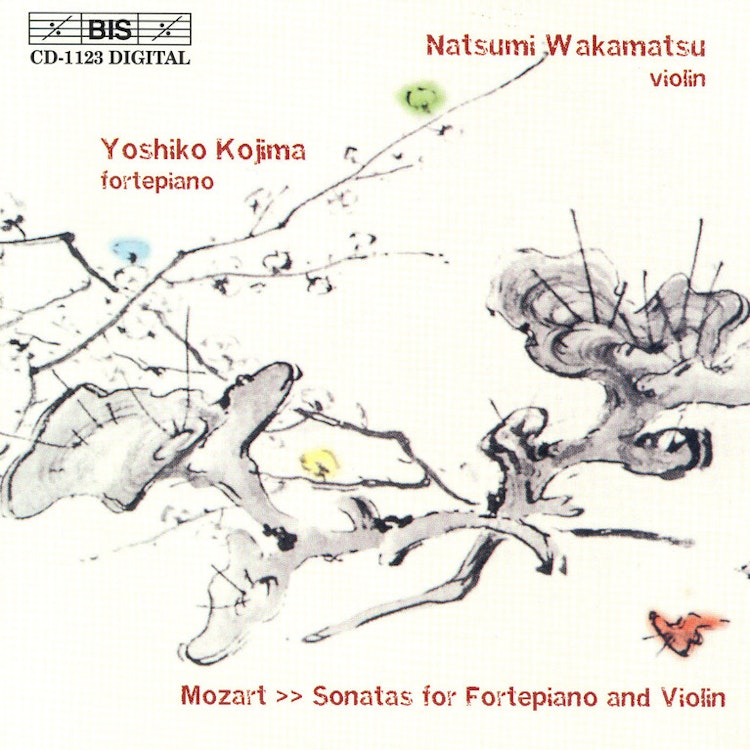
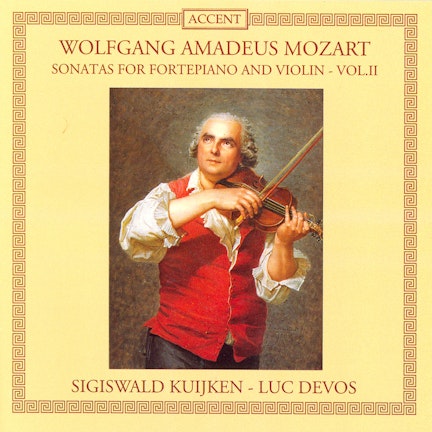
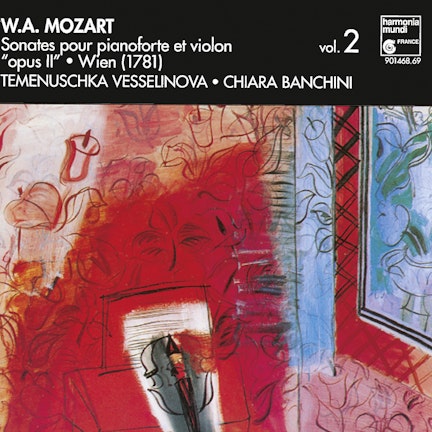
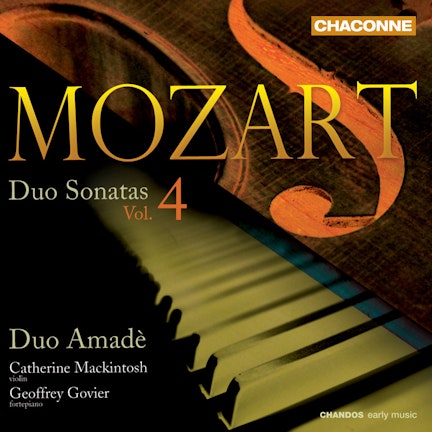
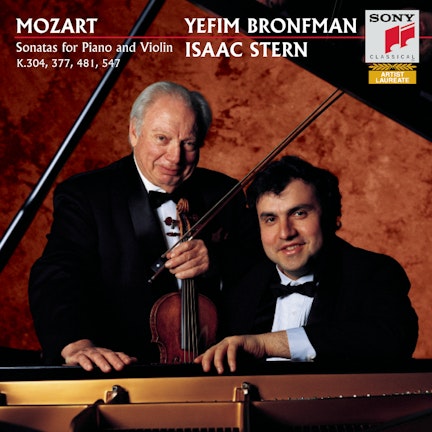
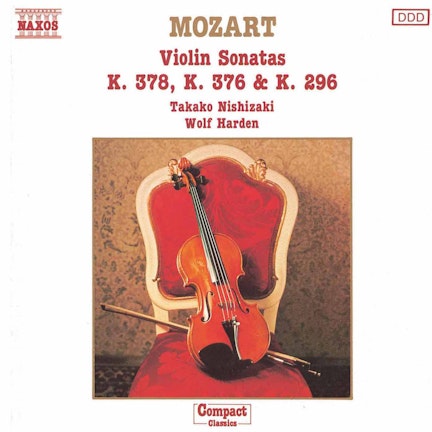
Mozart, as the first modern composer, intended these sonatas for the growing amateur market, despite using the traditional description of sonatas.
Composer Biography
During the composition of these sonatas, Mozart, then 22, embarked on a journey that marked his break from his father's influence and his pursuit of independence as a freelance musician.
Instruments
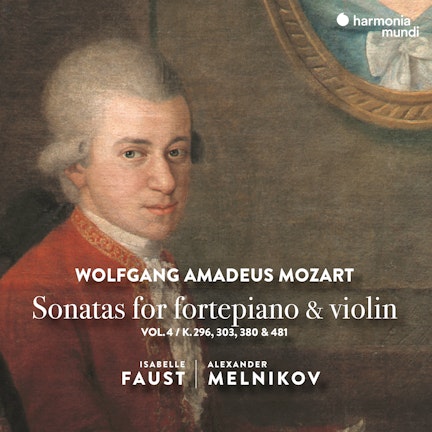
The recording features a violin made by Carlo Tononi in Bologna in 1700 and a fortepiano built by Christopher Clarke in 1994, modeled after an Anton Walter instrument from 1795.
Composition History
Mozart's sonatas on this album, composed between 1778 and 1781, marked a significant shift from the tradition of keyboard-dominant sonatas, effectively creating a new genre of music.
Critical Reception
Mozart's Opus 2 sonatas, featured on this album, were praised in 1783 by Carl Friedrich Cramer's Magazin der Musik as "unique of their kind" and "rich in new ideas."
Compositional Technique
Unlike earlier traditions where the violin part was often optional, these sonatas by Mozart feature a violin accompaniment "so artfully intertwined with the piano part that both instruments sustain constant interest."
Composition History
One of the sonatas on this recording was completed only hours before its premiere, with Mozart playing the piano part from memory because he hadn't had time to write it down.
You might also enjoy...
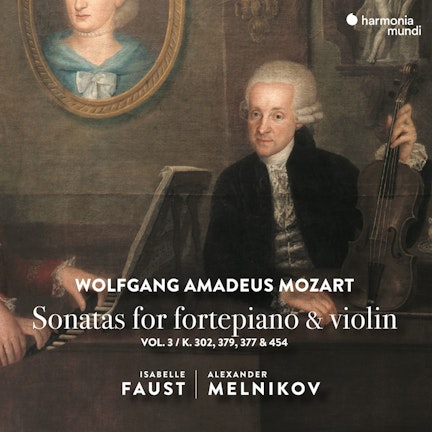
Mozart: Sonatas for Fortepiano & Violin, Vol. 3
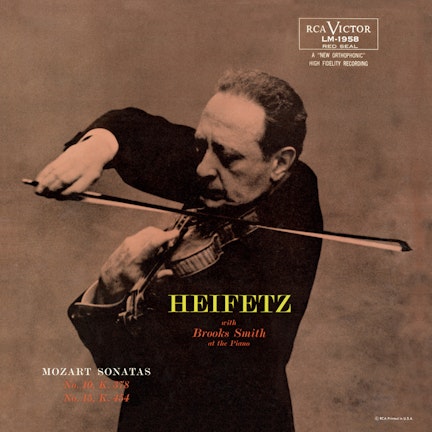
Mozart: Sonata, K. 378, in B-Flat, Sonata, K. 454, in B Flat