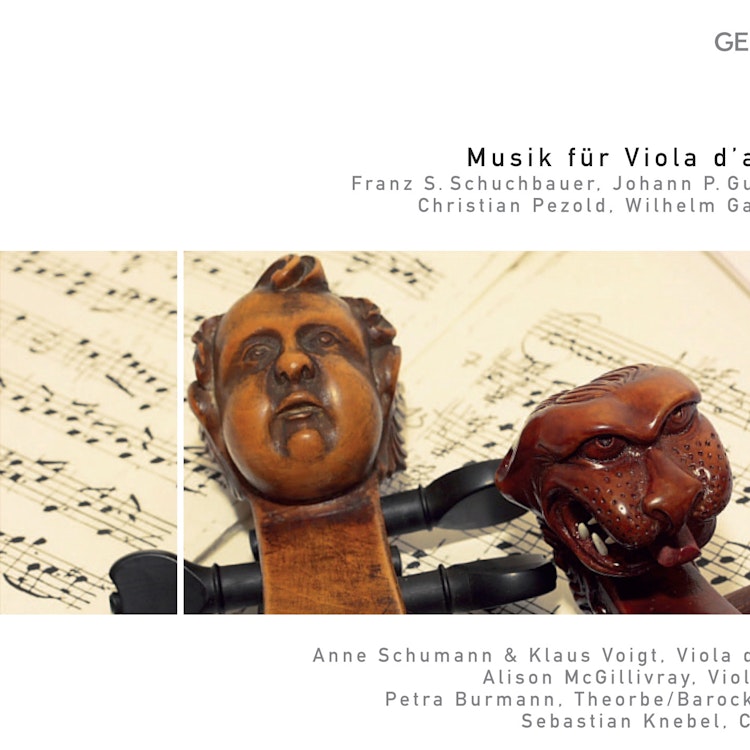
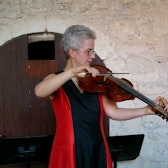
The recording was originally planned for the Grey Hall of Blankenburg Castle, but due to the unusually cold winter of 2010, it was moved to the Refectory of Michaelstein Monastery.
Composition History
Most compositions on this album, except for Johann Peter Guzinger's suite, come from the collection of Johann Georg Pisendel (1687-1755), a significant German violin virtuoso and viola d'amore player.
Interpretation
The intensive shared work on this project provided new insights into tone production, especially how the continuo (bass group) needs to be responsive to the viola d'amore's timbre.
Recording & Production
This CD was made possible by donations from friends and relatives for the performers' wedding in spring 2009.
Instruments
The viola d'amore, an unusual instrument, was characterized by Johann Christoph Weigel (a Nuremberg copper-engraver and publisher) as making lovers joyful and comforting the sorrowful with its sweet tone.
Instruments
Around 1700 in South Germany, the viola d'amore evolved to include six to seven gut playing strings and an equal number of sympathetic steel strings underneath, which vibrate in sympathy to amplify the sound.
Instruments
The viola d'amore's playing technique was heavily influenced by the scordatura violin, which came into fashion in the mid-17th century and was tuned in varying intervals rather than the usual fifths.
You might also enjoy...
Baroque Trumpet (The Art Of The), Vol. 2
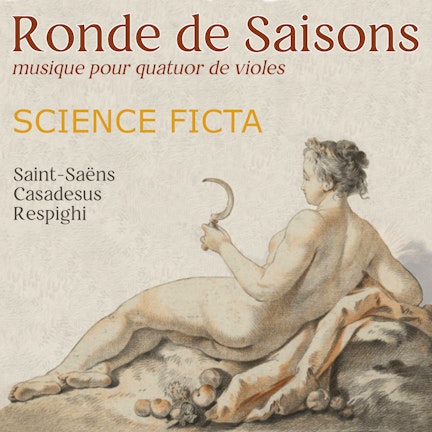
Ronde de saisons: Musique pour quatuor de violes
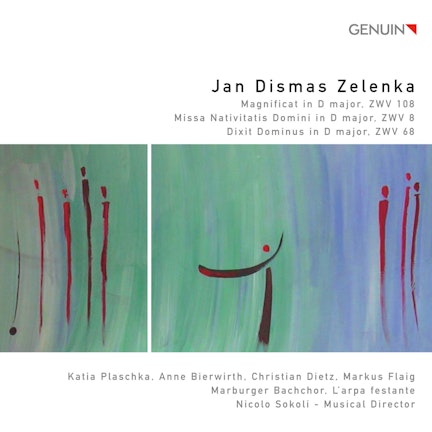
Zelenka: Magnificat - Missa Nativitatis Domini - Dixit Dominus