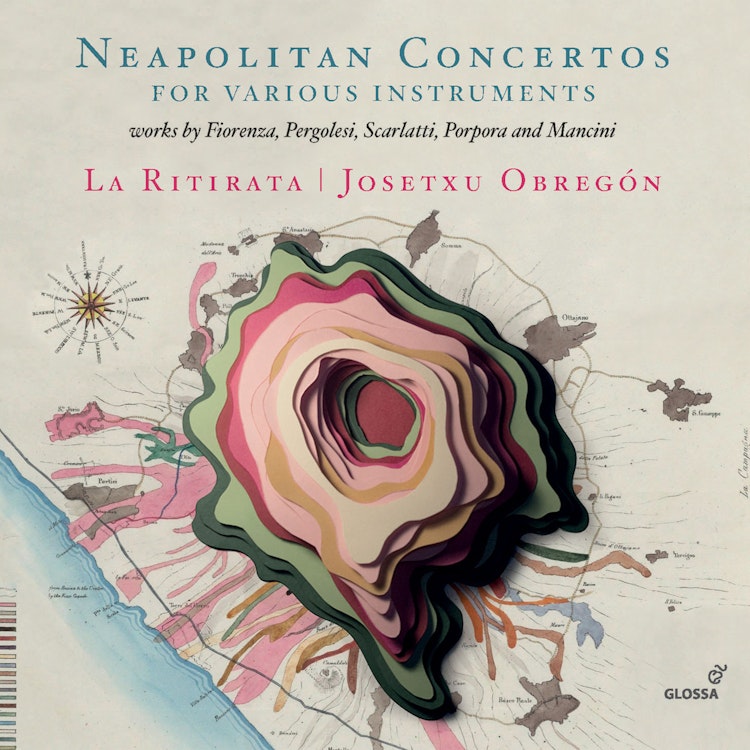
Neapolitan concertos often used a four- or five-movement sonata da chiesa pattern, distinguishing them from the three-movement Venetian concerto popularized by Vivaldi.
Historical Context
Neapolitan conservatories, despite their high reputation, began a slow decline from the second half of the eighteenth century, with students living in overcrowded conditions and receiving inadequate training.
Composer Biography
Nicola Fiorenza, a violinist and teacher at the Conservatorio di Santa Maria di Loreto, was officially rebuked and eventually dismissed for his harsh teaching methods, which included striking and threatening pupils with a sword.
Historical Context
The brilliance of Neapolitan Baroque music was supported by four conservatories, which provided musical performances for religious services, civil celebrations, and patronal festivals.
Historical Context
Music students in Neapolitan conservatories could pay for their studies and living expenses by participating in external musical activities.
Recording & Production
The Fiorenza violin concerto on this album was transcribed by Guillermo Peñalver.
Composition History
A 1725 manuscript collection, now in the Conservatorio di San Pietro a Majella library, contains 24 concertos for recorder, strings, and continuo by various Neapolitan musicians, including Francesco Mancini and Alessandro Scarlatti.
You might also enjoy...
Bach Inspiration
Franz Benda: Symphonies & Concertos
Telemann, G.P.: Essercizii Musici - Solos and Nos. 1-6
The Privileged Oboe
Serenissima: A Musical Portrait of Venice Around 1726
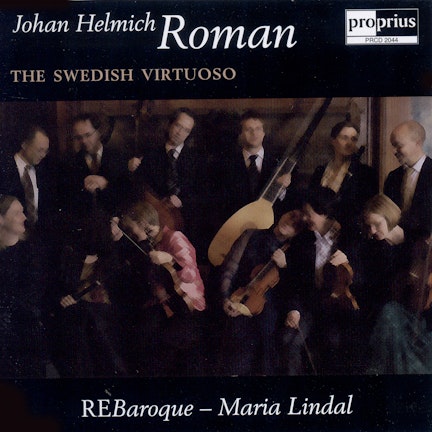
Roman: The Swedish Virtuoso
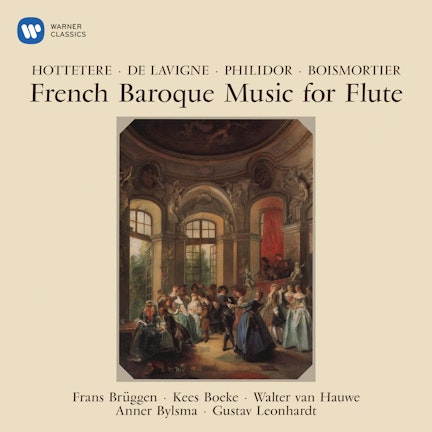
French Baroque Music for Flute by Hottetere, Philidor & Boismortier
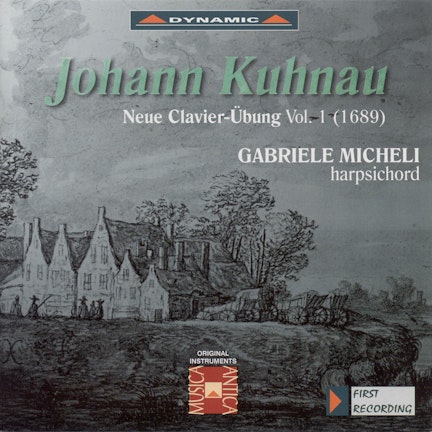
Kuhnau: Neuer Clavier-Ubung, Vol. 1
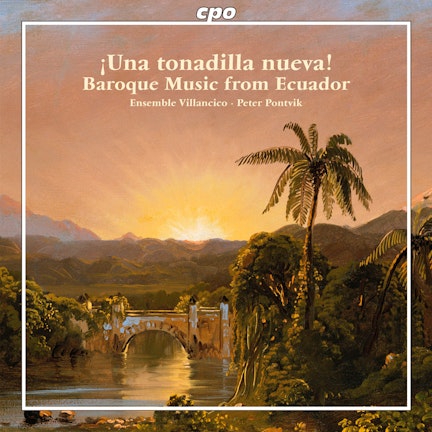
Una tonadilla nueva: Baroque Music from Ecuador
Concertos and Opera Overtures
Dall'Abaco, E.F.: Concerti for Strings - Opp. 2, 6