Ockeghem uses symbolic word painting in the Credo, repeating a fanfare-like motive for "et iterum" (and He shall come again) and the melody's opening phrase for "qui cum patre et filio simul adoratur" (who, with the Father and the Son, is together adored).
Compositional Technique
In Ockeghem's Missa L'homme armé, the 'L'homme armé' melody is transposed down an octave in the Agnus Dei, bringing it into the lowest bass register for a darker, more melancholic sound.
Composition History
Johannes Ockeghem's Missa L'homme armé, composed around 1455, may have been the first mass setting to use the popular 'L'homme armé' melody as a cantus firmus.
Compositional Technique
The 'L'homme armé' melody, a short song calling for man to take up arms, was used as a cantus firmus in about forty mass settings from 1450 to 1600 by prominent composers.
Performer Biography
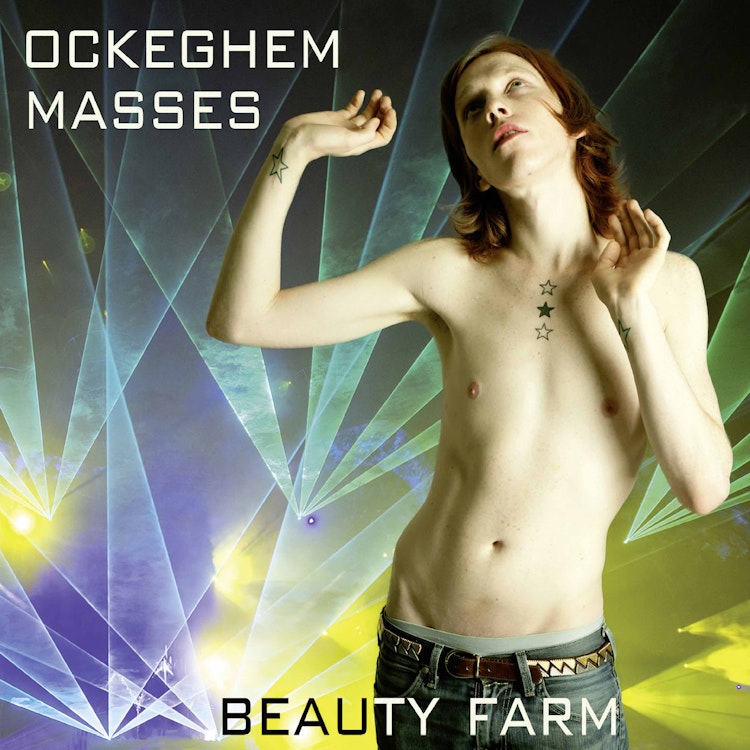
Beauty Farm, founded in 2014 by Markus Muntean and Bernhard Trebuch, is a vocal group specializing in Franco-Flemish polyphony of the Renaissance.
Critical Reception
Ockeghem has been unfairly reputed as an eccentric experimenter and constructor of canons since the 16th century, based on only a few works.
Performer Biography
The singers of Beauty Farm are members of other well-known ensembles such as Capilla Flamenca, Huelgas Ensemble, Vox Luminis, Collegium Vocale Gent, and Graindelavoix.
You might also enjoy...
Palestrina: Missa "Tu Es Petrus" & Motets
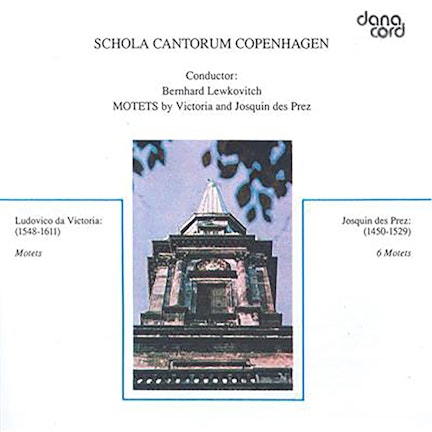
Choral Music - Victoria, T.L. / Josquin Des Prez (Motets) (Copenhagan Schola Cantorum)
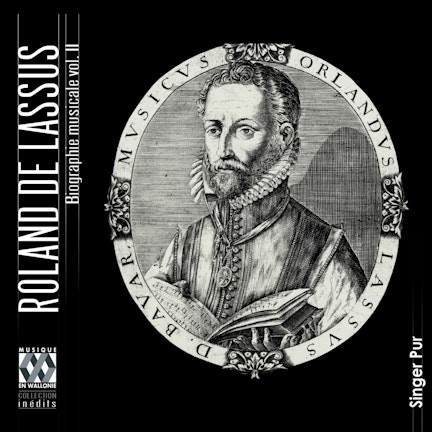
Lassus: Biographie musicale, Vol. 2 (La gloire musicale de la Bavière, le temps de la faveur)
Isaac: Missa super "O praeclara", Motets & Songs
De Ribera & Navarro: Masters of the Spanish Renaissance
Manchicourt: Masses
Angelus ad Pastores - Weihnachtsgeschichte
Daser: Missa Pater noster: IV. Sanctus: a. Sanctus
Posch: Harmonia concertans
F. A. Baseo: Il primo libro dei Madrigali a cinque voci (Venezia, 1582)