Officina Romana: A Wonder Lab at the Dawn of the 18th Century
3/19/2021, 22 Tracks, 1:08:27
Featuring
Paolo Zanzu
Carlo Vistoli
Tiam Goudarzi
Marco Frezzato
Daniel Lanthier
Tami Troman
Liv Heym
Le Stagioni
Antonio Caldara
Carlo Francesco Cesarini
George Frideric Handel
Arcangelo Corelli
Alessandro Scarlatti
Nicola Francesco Haym
Domenico Scarlatti
Did you know?
1/7
Instruments
The pianoforte, invented in Florence, made its Roman debut in 1709 at Cardinal Ottoboni's palace and became popular for accompanying voices and softer instruments.
Composer's Artistic Vision
Italian music of this period used vocality as its foundational element, with a rich and varied melodic line designed to move, impress, and astonish listeners.
Historical Context
In 18th-century Rome, the voice was the most prized instrument, with castrati often taking center stage in musical seasons due to women being largely banned from the stage.
Compositional Technique
Ornamentation was a key aspect of 18th-century Italian music, with melodic lines never exactly repeated and performers expected to 'colour' the music.
Composer Biography
Nicola Francesco Haym, a Roman native born in 1678, was a cellist in Corelli's orchestra before moving to London where he composed, wrote opera librettos for Handel, and collected art.
Composition History
The opera Giunio Bruto, with acts by Cesarini, Caldara, and Alessandro Scarlatti, was intended for the Holy Roman Emperor but was never performed due to his sudden death, making this recording a historic first for one of its arias.
Historical Context
At the beginning of the 18th century, Rome was a hub for musicians and artists, attracting figures like Corelli, Pasquini, Handel, and the Scarlattis.
You might also enjoy...
Le berger innocent
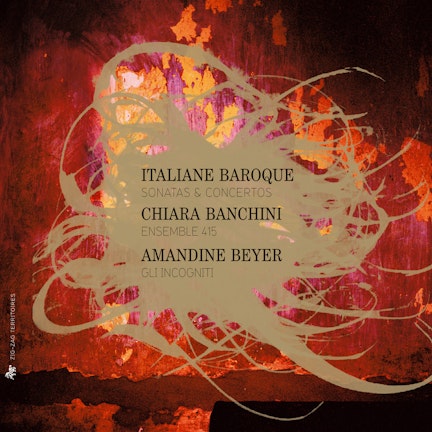
Italiane Baroque: Sonatas & Concertos
Leufsta Bruk, vol.2
Bach: Italienischer gusto
Haendel: Sonatas In Several Parts
100 Best of Vivaldi
Brandenburg Celebrates
Lully: Le Roi Danse - Original Motion Picture Soundtrack
Rameau: L'Orchestre de Louis XV
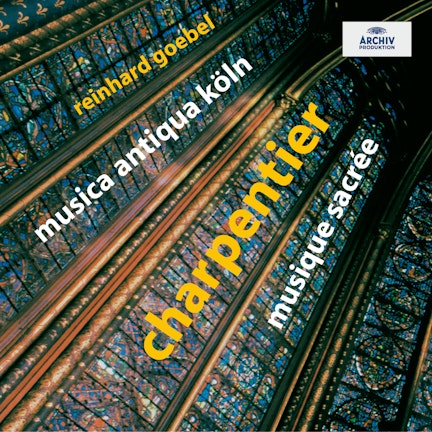
Charpentier: Musique sacrée
Rameau: Que les mortels servent de modèle aux dieux...
Forgotten Treasures, Vol. 12
Accademia dell' Arcadia - Musica Restituta: Cantatas and Motets