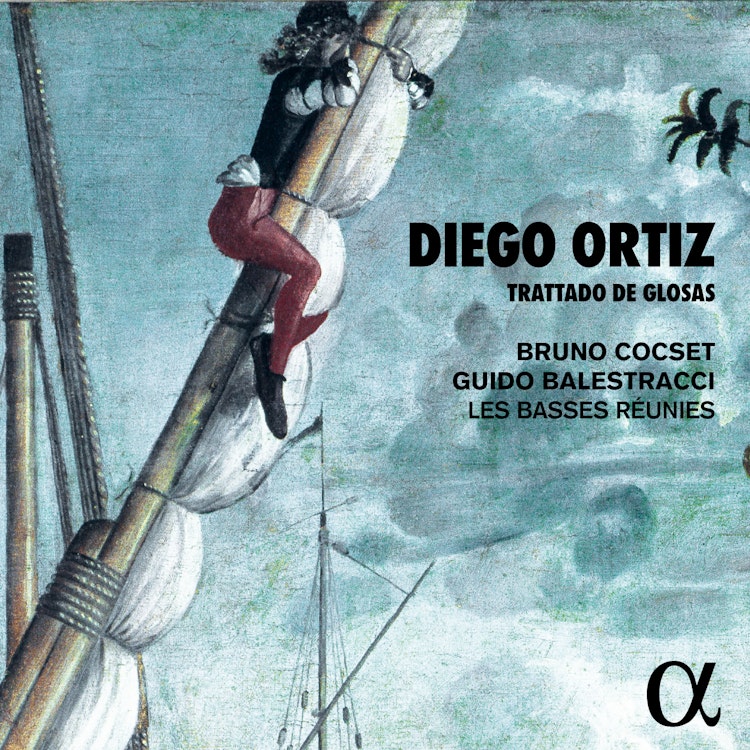
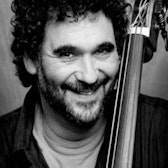
For this recording, five viols were specially made by luthier Charles Riché, inspired by historical makers like Gasparo da Salò and Domenico Russo, and paintings by El Greco.
Compositional Technique
Book II of the Trattado de Glosas features 'recercadas' (ricercares) that are melodically and rhythmically inventive, incorporating elements from dance and ostinato forms.
Compositional Technique
The Trattado de Glosas teaches 'diminution' — the art of ornamenting, improvising, or varying simple melodies — which became a distinct musical language.
Composition History
Ortiz's Trattado de Glosas was published simultaneously in Spanish and Italian, making it a valuable record of Spanish instrumental music.
Composer Biography
Diego Ortiz, born in Toledo, Castile around 1510, published his Trattado de Glosas in Rome in 1553 while serving as maestro di capella in Naples.
Interpretation
The performers explored various viol tunings, including the 'universal' D G C E A D, to match different keys and allow the instruments to resonate more freely.
Compositional Technique
Book I of Ortiz's treatise provides an extensive guide on how to 'glose' (diminish) musical intervals and cadences, offering a rich source for instrumental language and improvisation.
You might also enjoy...
William Byrd: Consort Songs
Byrd: Consort and Keyboard Music / Songs and Anthems
Music for Brass Septet, Vol. 4
The Tudors: Metaphysical Tobacco
Gabrieli in Venice
John Coprario. Parrot or Ingenious Parodist
Aus dem Repertoire Höfischer Konzerte
Dances from John Dowland's Lachrimae and Consort music and songs by William Byrd
Tom & Will – Weelkes & Byrd: 400 Years
Venetian Brass Music
Gabrieli, G.: Chamber Music
I dolci frutti: Venise avant Monteverdi, vol. 2
Cabezón: Obras de Música
Gabrieli: Sonate e Canzoni "per concertar con l'organo"