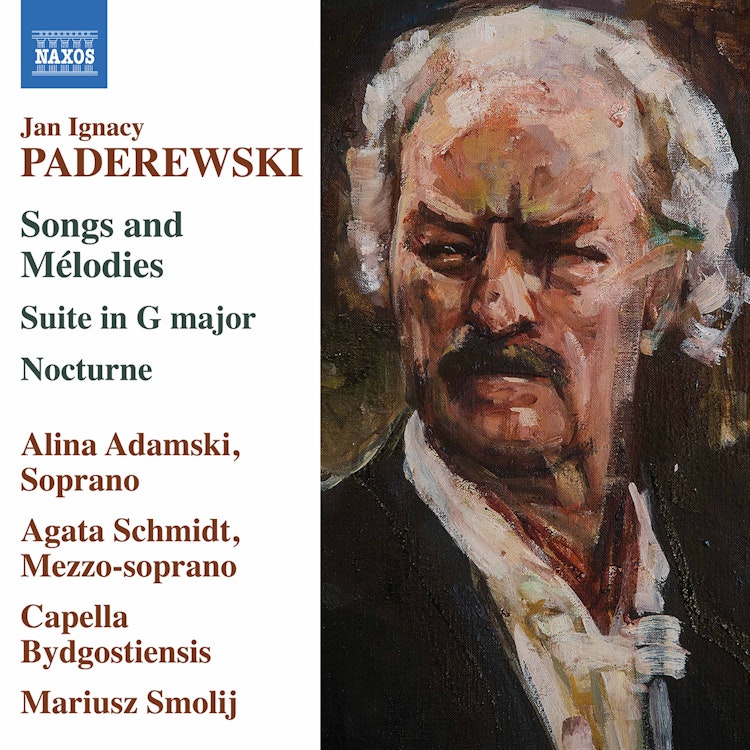
The orchestral translation of Paderewski's Douze Mélodies, Op. 22, recorded here for the first time, enhances the aesthetic of ambiguity and exoticism, comparable to Debussy's Pelléas et Mélisande.
Critical Reception
Paderewski's Six Songs, Op. 18, were highly approved by audiences and critics at their 1893 London premiere, with one reviewer calling them 'very beautiful, very Polish'.
Performer Biography
Alina Adamski, the soprano on this recording, won first prize at the Paderewski Vocal Music Competition in Bydgoszcz in 2015.
Composition History
The Suite in G major for string orchestra, composed in 1884, was only discovered in 1986 by Polish musicologist Małgorzata Perkowska-Waszek and is presented here in its first commercial recording.
Composer Biography
Jan Ignacy Paderewski, the composer, was an internationally celebrated virtuoso pianist, a prominent advocate for Polish independence, and later served as Prime Minister.
Compositional Technique
Paderewski's Douze Mélodies, Op. 22, composed in 1903, marked a significant departure from his earlier tonal language, embracing harmonic ambiguity, dissonance, and chromaticism.
Interpretation
Conductor Mariusz Smolij rearranged the movements of the unfinished Suite in G major to create a more coherent flow, as the intended fourth movement was never completed or has been lost.
You might also enjoy...
Richard Strauss: Four Last Songs . Songs with orchestra
Canteloube : Chants d'Auvergne [Complete]
Love's Embrace
Grieg: Concerto pour piano, 10 Mélodies & 3 Pièces pour piano (Les indispensables de Diapason)
Hans Sommer: Orchestral Songs
Strauss: Four Last Songs; Orchesterlieder; Rosenkavalier Suite: Classic Library Series
Strauss: Four Last Songs; Orchesterlieder; Rosenkavalier Suite: Classic Library Series
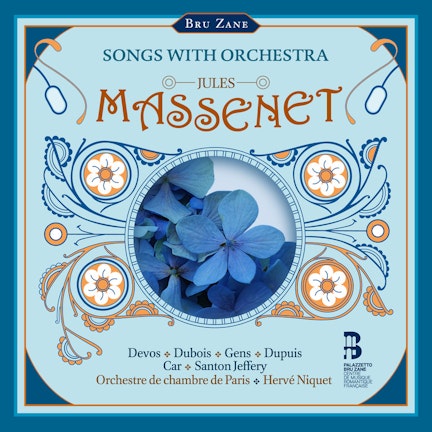
Massenet: Songs with Orchestra
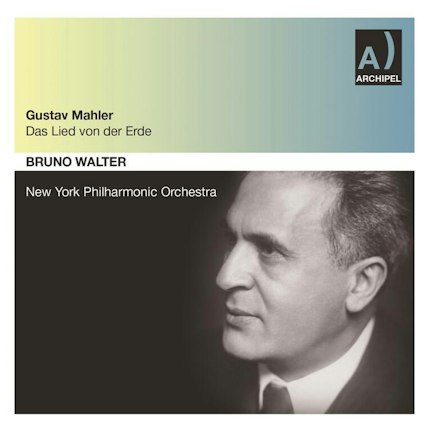
Mahler: Das Lied von der Erde (Live)
Mahler: Das Lied von der Erde & Kindertotenlieder
Mahler: Das Lied von der Erde; 3 Rückert Lieder
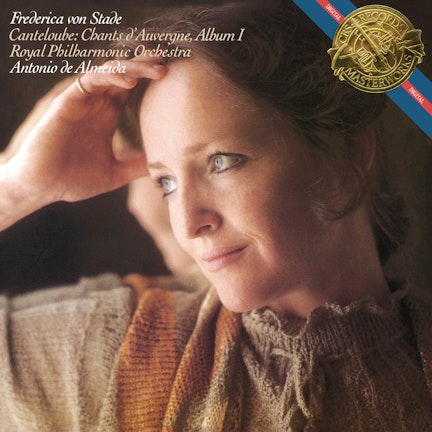
Frederica von Stade Sings Chants d'Auvergne
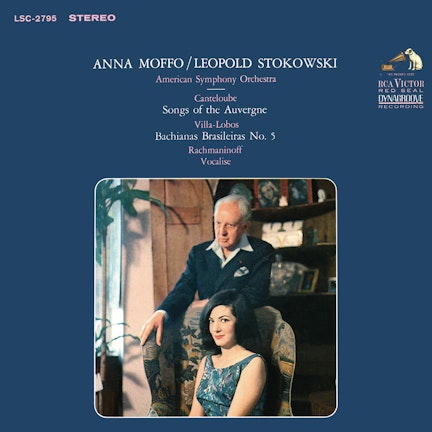
Anna Moffo sings Canteloube: Songs of the Auvergne; Villa-Lobos: Bachianas Brasileiras No. 5; Rachmaninoff: Vocalise