Paganini fostered the idea of 'suonare parlante' (speaking with sound), even replicating the pronunciation and rhythmic patterns of Italian language with his bow in concert.
Instruments
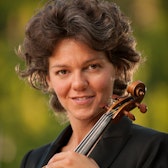
The performer, Laura Andriani, commissioned specific gut strings for this project, based on research into the Neapolitan master ropemakers who supplied Paganini.
Composition History
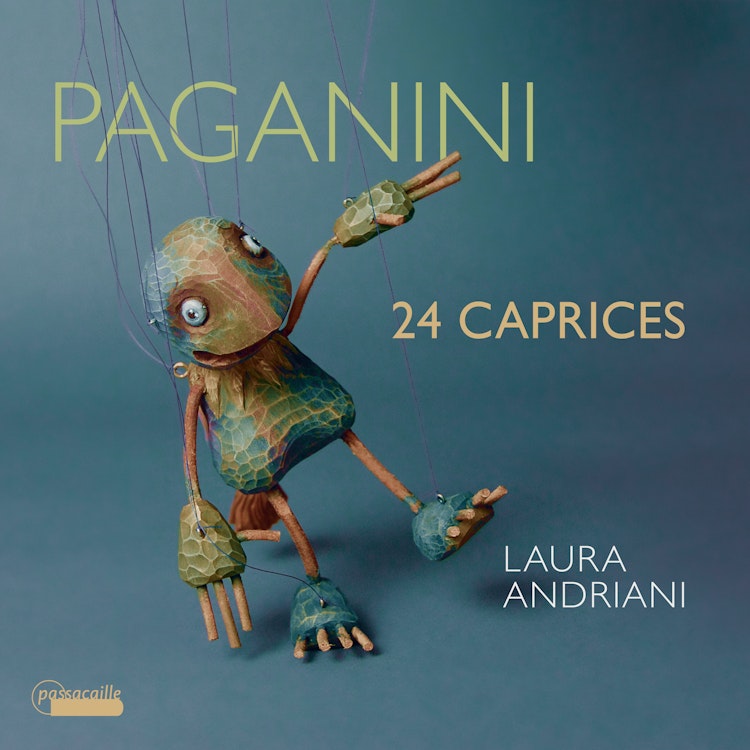
Niccolò Paganini's 24 Caprices for Solo Violin, Op. 1, MS 25, were published in 1820 by Casa Ricordi and were dedicated 'alli Artisti' (to the Artists).
Critical Reception
Upon their publication in 1820, Paganini's 24 Caprices immediately achieved major success but also gained a reputation for being 'unplayable'.
Interpretation
For this recording, Laura Andriani used gut strings, historical bows, and reconstructed Paganini's playing posture to inform her interpretation of the Caprices.
Compositional Technique
Paganini's Caprices are considered an extreme development of violin techniques, building upon the work of predecessors like Corelli, Vivaldi, Tartini, and Locatelli.
Composer's Artistic Vision
Paganini's composition of the Caprices was an exploratory process, pushing the violin's playing to the extreme without necessarily intending them for concert repertoire.
You might also enjoy...
Paganini: 24 Caprices
Rode: 24 Caprices for Solo Violin, Op. 22
Paganini: 24 Caprices
Paganini: 24 Caprices, Op. 1, MS 25
Paganini: 24 Caprices, Op. 1
Paganini: 24 Caprices, Op.1
Paganini: 24 Capricci
Paganini: 24 Caprices, Op. 1
Paganini: 24 Caprices for Solo Violin, Op. 1, MS 25
Bacewicz: Polish Caprice
Paganini: 24 Caprices for Solo Violin, Op. 1, MS 25: No. 9 in E Major "La chasse". Allegretto
Paganini: 24 Caprices
Paganini: Caprices for Solo Violin (1950 Mono Recording)