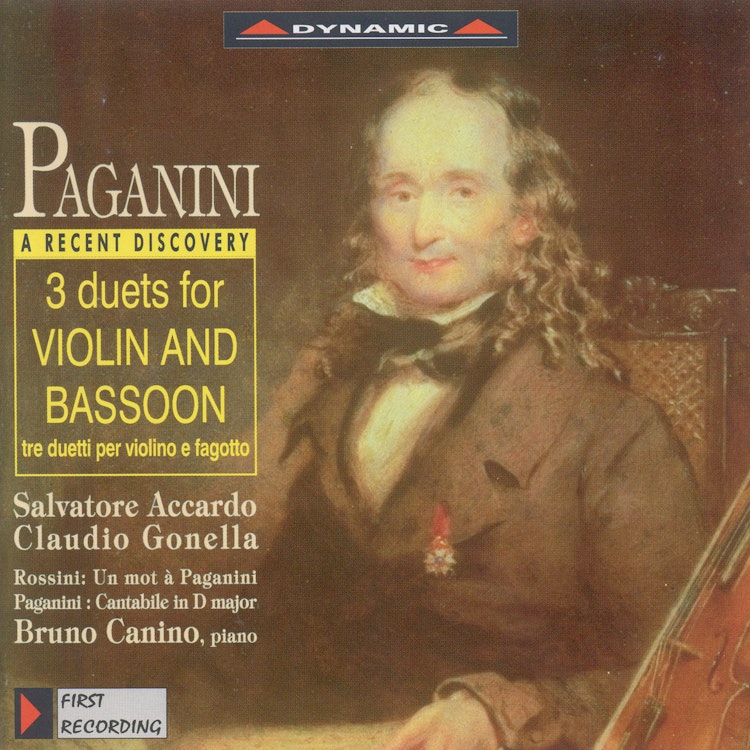
Paganini: Duets for Violin and Bassoon / Cantabile in D Major / Rossini: Un Mot A Paganini
7/1/1997, 9 Tracks, 1:03:31
Featuring
Salvatore Accardo
Claudio Gonella
Bruno Canino
Niccolò Paganini
Gioachino Rossini
Did you know?
1/7
Compositional Technique
Paganini included curious, enigmatic phrases above the staff in his manuscripts, such as "Cara ti lascio, No ti amo starne a canto" (Dear I leave you, No, I love to be near you) in the second Duet.
Composition History
The autograph manuscript of Paganini's Three Duets for Violin and Bassoon was rediscovered in 1990 by Flavio Menardi Noguera, a musicologist and member of Istituto di Studi Paganiniani.
Composition History
Paganini composed the Three Duets for Violin and Bassoon at age 17 in Livorno for a Swedish amateur bassoonist who desired challenging music.
Composer Biography
Paganini and Gioachino Rossini, a famous opera composer, were sincere friends and met many times, with Paganini even saving the premiere of Rossini's opera Matilde di Shabran.
Composer Biography
Paganini, who could not play the piano, used the guitar as his harmony instrument, which he mastered skillfully.
Compositional Technique
In the Three Duets, Paganini explores the bassoon's capabilities, entrusting it with passages as demanding as those for the violin, creating a constant dialogue between the instruments.
Composition History
The Three Duets for Violin and Bassoon, marked as "Op.1" on the manuscript, are considered Paganini's earliest surviving autograph manuscript.
You might also enjoy...
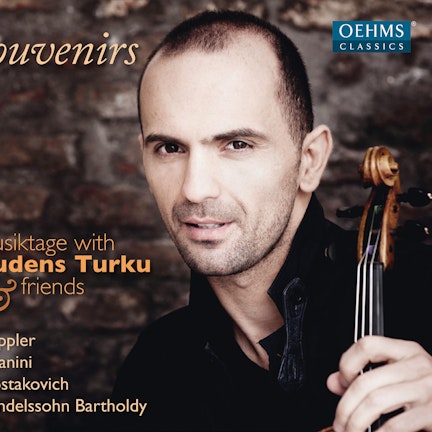
Souvenirs
Favorites
Takako Nishizaki Plays Suzuki Evergreens, Vol. 1
One Hundred Days Away
One Hundred Days Away
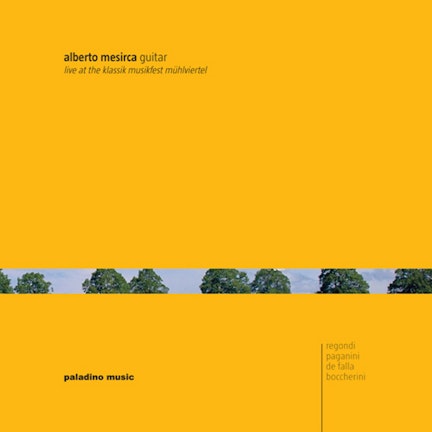
Mesirca, Alberto: Live at the Klassik musikfest muhlviertel
F. & C. Doppler: The Complete Flute Music, Vol. 5
Castelnuovo-Tedesco: Guitar Chamber Works - Complete Edition
Antonín Reicha: Octet Op. 96, Variations for Bassoon, Grand Quintetto, Op. 106
Franz & Karl Doppler: The Complete Flute Music, Vol. 1