The Council of Trent's reforms influenced church music, leading to a need for new music with simpler vocal lines and greater text clarity.
Composition History
The Missa Papae Marcelli, one of Palestrina's best-known works, was believed by his first biographer to have been written to convince Cardinals not to abandon polyphony.
Critical Reception
Palestrina's legacy led to many myths, including being portrayed erroneously as the 'perfector' and 'originator' of the true polyphonic style of the late Renaissance.
Compositional Technique
Palestrina often used a 'parody' technique in his Masses, borrowing and rearranging musical motifs and textures from other compositions, such as his motets.
Cultural Impact
Improvements in 16th-century printing technology and the rise of a monied middle-class led to a wider market for polyphonic music, including religious works accessible to the average person.
Composer Biography
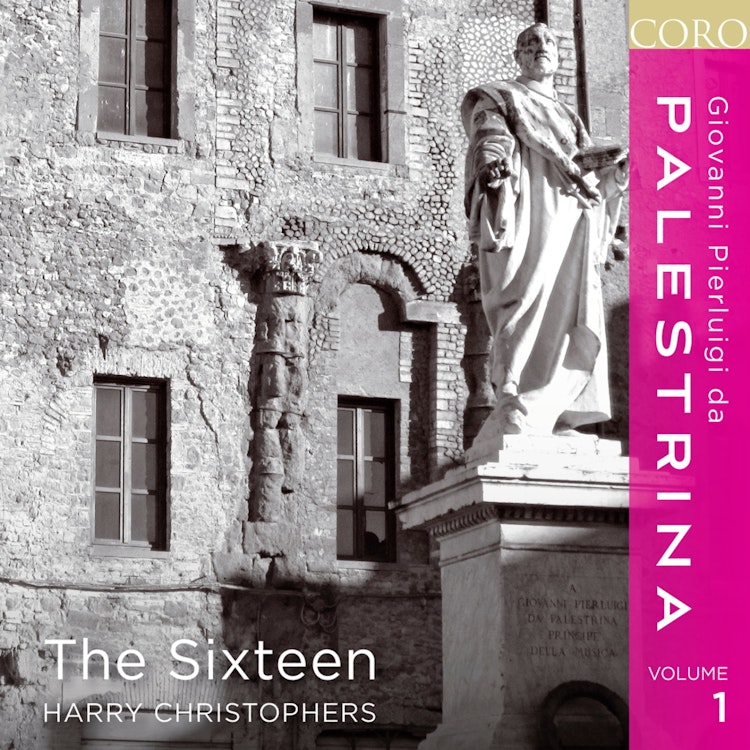
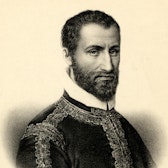
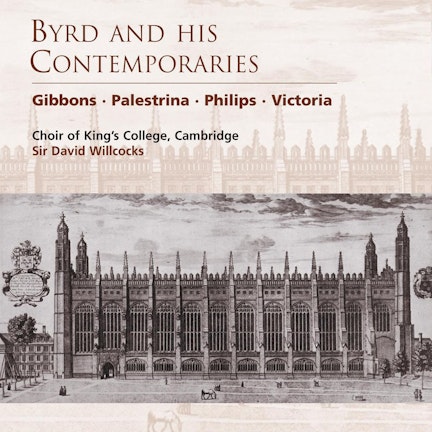
Giovanni Pierluigi da Palestrina, the composer featured on this album, was considered the greatest composer of his time upon his death in 1594.
Composer's Artistic Vision
Palestrina published 29 settings of the Song of Songs, texts he loved despite apologizing for their 'light and vain ideas' and 'sensual' nature.
You might also enjoy...
J. Sheppard: Sacred Choral Works
Palestrina, Vol. 9
Josquin des Prez: Miserere mei Deus
Josquin: Missa Hercules dux ferrariae & Miserere mei deus - Mottetti
Sing with the Voice of Melody (10th Anniversary)
Palestrina Volume 6
Ockeghem: Missa Prolationum, 5 Motets
Hassler: Missa super dixit Maria
A Watchful Gaze
Senfl: Choral Works
Palestrina: Missa Aeterna Christi munera & Other Sacred Music