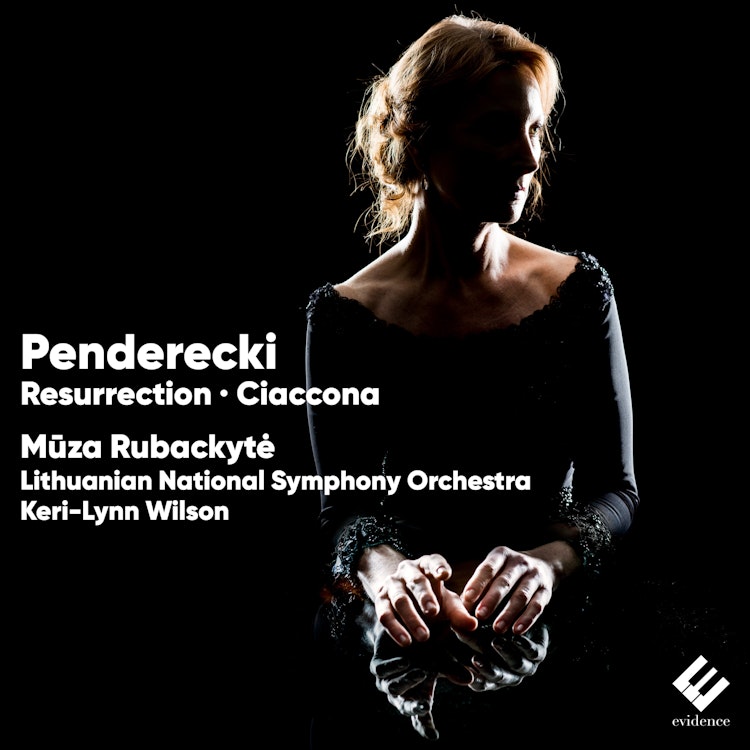
Penderecki: Piano Concerto 'Resurrection', Ciaccona
10/31/2025, 11 Tracks, 46:37
Featuring
Müza Rubackytė
Keri-Lynn Wilson
Lithuanian National Symphony Orchestra
Krzysztof Penderecki
Did you know?
1/7
Composer's Artistic Vision
Penderecki, a deeply religious man, gave the 'Resurrection' Concerto its subtitle due to his Christian and pantheistic view of life, his passion for trees, and its connection to the 9/11 attacks.
Compositional Technique
The 'Resurrection' Concerto is structured in a single sweep with incessant rhythmic changes, making it more akin to a symphonie concertante in rhapsodic form, where the piano is fully integrated into the orchestra.
Recording & Production
This album includes the world premiere recording of the 'Ciaccona in memoriam Giovanni Paolo II' arranged for piano solo by Stanislaw Deja.
Compositional Technique
The main thematic idea of the 'Resurrection' Concerto, the introduction of a chorale, came to Penderecki after seeing images of the 9/11 attacks, appearing three times and radically modifying the work's end.
Composition History
Krzysztof Penderecki, the composer, thoroughly reworked the finale of his Piano Concerto 'Resurrection' after the September 11, 2001 attacks, believing the world had entered a new era of terrorism.
Composition History
The 'Ciaccona' for solo piano, featured on this album, is an arrangement of the string version of the Agnus Dei from Penderecki's Polish Requiem, composed on the death of Pope John Paul II, a close friend of the composer.
Performer Biography
Mūza Rubackytė, the pianist on this recording, had a special artistic relationship and deep friendship with composer Krzysztof Penderecki, meeting him in 2003.
You might also enjoy...
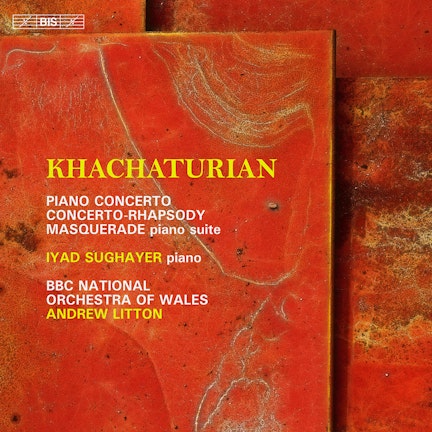
Khachaturian: The Concertante Works for Piano
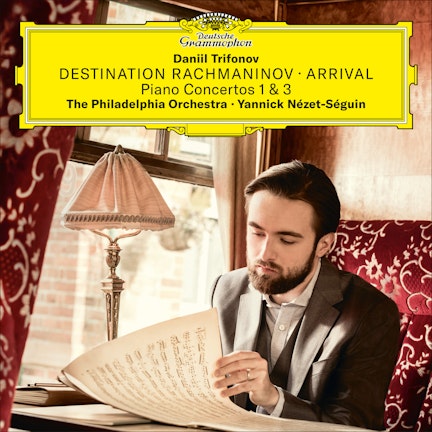
Destination Rachmaninov: Arrival
Liszt: Piano Concertos Nos. 1 & 2, Totentanz
Dussek: Piano Concertos
Dussek, J.L.: Piano Concertos - Opp. 49 and 22 / the Sufferings of the Queen of France
MacDowell: Piano Concertos Nos. 1 & 2 etc. (Hyperion Romantic Piano Concerto 25)
Shostakovich: Piano Concertos Nos. 1 & 2
Tchaikovsky; Piano Concerto No. 1 / Medtner: Piano Concerto No. 1 / Liebliches Kind!
Dai Fujikura: IMPULSE - Piano Concerto No. 3 / Maurice Ravel: Concerto pour Piano et Orchestre, etc.