Les Chantres du Centre de Musique Baroque de Versailles
Anonymous
Francesco Durante
Giovanni Battista Pergolesi
Did you know?
1/7
Interpretation
The director, Vincent Dumestre, aims for vitality and spontaneity rather than mere reconstruction when recreating early music.
Interpretation
The recording uses children's voices for Pergolesi's Stabat Mater, following the practice of the Versailles court where the 'Pages de la Chapelle Royale' were children.
Interpretation
The continuo for Pergolesi's Stabat Mater is improvised, as was customary at the time, and the musicians occasionally ornament the melody.
Composer's Artistic Vision
In the context of processions, prayer is seen as a celebration and public spectacle, not just meditation, which influences the interpretation's theatrical and dynamic approach.
Composition History
Pergolesi's Stabat Mater was commissioned by the confraternity of the Knights of the Virgin of the Seven Sorrows of San Luigi di Palazzo in Naples.
Recording & Production
This recording, made in 2000, combines Pergolesi's Stabat Mater with Neapolitan popular chants from the same period, based on texts about the Passion of Christ.
Historical Context
The Stabat Mater text became obligatory for singing in processions after Pope Benedict XIII's brief of 1727, which instituted a second annual feast of the Seven Sorrows of the Blessed Virgin Mary.
You might also enjoy...
Honi soit qui mal y pense ! Polyphonies des chapelles royales anglaises
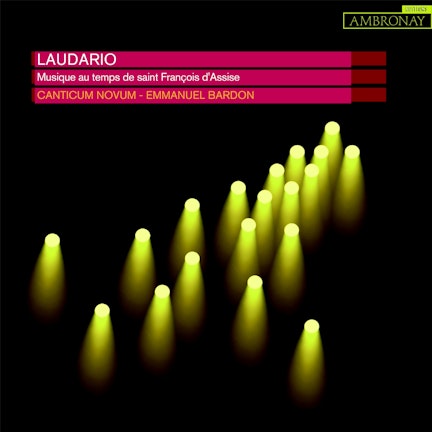
Laudarium: Songs of Popular Devotion from 14th-Century Italy
Telemann: Per la tromba & Il corno da caccia
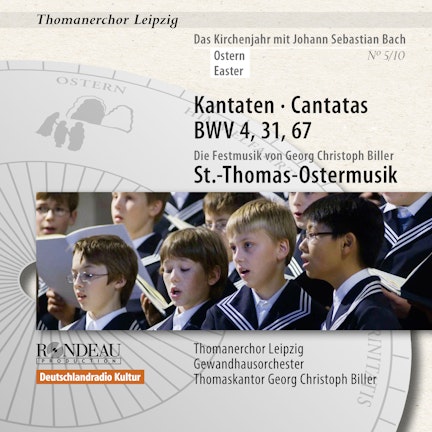
The Liturgical Year with J.S. Bach, Vol. 5: Easter
Italian Baroque Music Edition
LEONIN / PEROTIN: Sacred Music from Notre-Dame Cathedral
Bach: Epiphany Mass
Songs and Instrumental Music from Medieval England
Laudario (Musique au temps de Saint François d'Assise)
Gregorian Chant And Medieval Polyphony (L'Arbre De Jesse)
Paris expers Paris, Ecole de Notre-Dame, 1170 - 1240