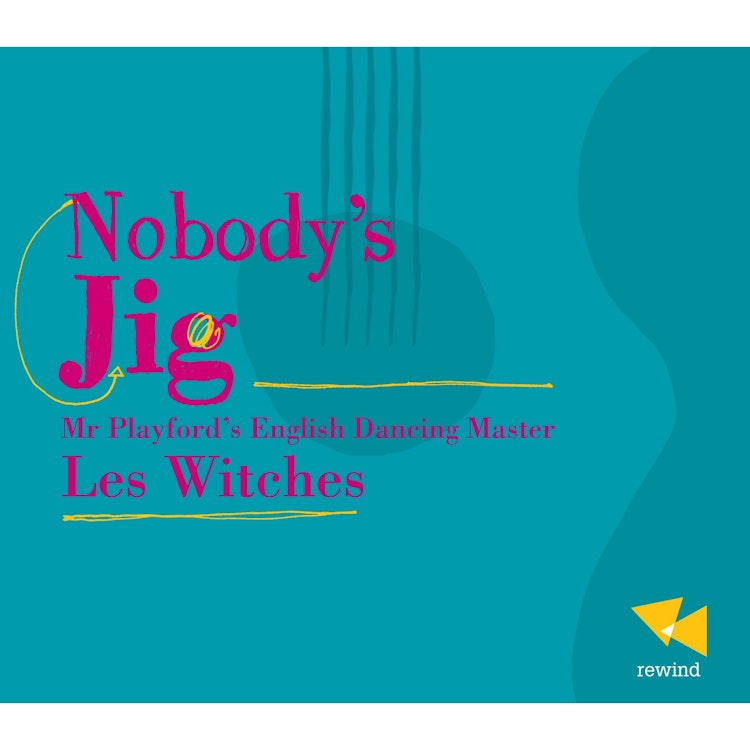
The ensemble incorporates influences from Irish musicians, borrowing ornaments, drones, and bowing techniques to enrich their historical approach to this repertoire.
Composition History
John Playford, the publisher, released 'The English Dancing Master' in 1651 to prevent a 'false and surreptitious copy' from being published.
Instruments
John Playford, the publisher, showed interest in various instruments, including the viol, violin, gittern, cittern, and virginal, offering methods and anthologies for them.
Recording & Production
This album was recorded in October 2001 at the Saint Rémi church in Sérigny, with Hugues Deschaux handling recording and editing, and Pascal Dubreuil as artistic director.
Cultural Impact
The collection 'The English Dancing Master' is the most significant source of 17th-century English instrumental melodies and the first record of Celtic music's collective memory.
Interpretation
The performers, Les Witches, chose tunes from the first seven editions (1651-1686) of 'The Dancing Master' that are closely related to 16th-century ballad tunes and modality.
Historical Context
The English Dancing Master, first published in 1651, was reissued 17 times until 1728, describing over 500 country dances with their tunes.
You might also enjoy...
Les Hautbois à la Chambre du Roi
Musique Pour La Chambre du Roy
Grand Tour
Flute Concertos & Sonatas: J. S. Bach, C. P. E. Bach, C. Stamitz, J. Stamitz, Gluck, Quantz and others
C.P.E. Bach: Wind Chamber Music
La Bergamasca
Baroque Chamber Music – Castello, D. / Marini, B. / Bertoli, G.A. / Buonamente, G.B. / Frescobaldi, G. / Turini, F.
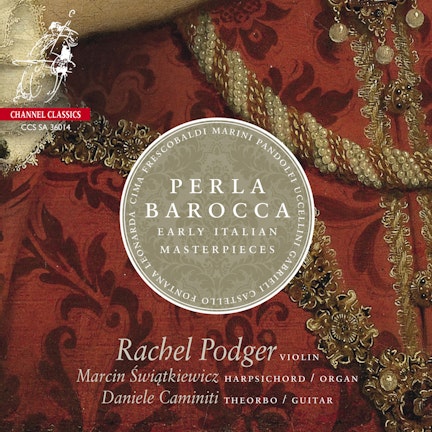
Perla Barocca: Early Italian Masterpieces
C.P.E. Bach: Chamber Music for Clarinet
Chamber Music (17Th-18Th Centuries) - Fischer, J. / Telemann, G.P. / Fux, J.J. / Marais, M. / Schmelzer, J.H.