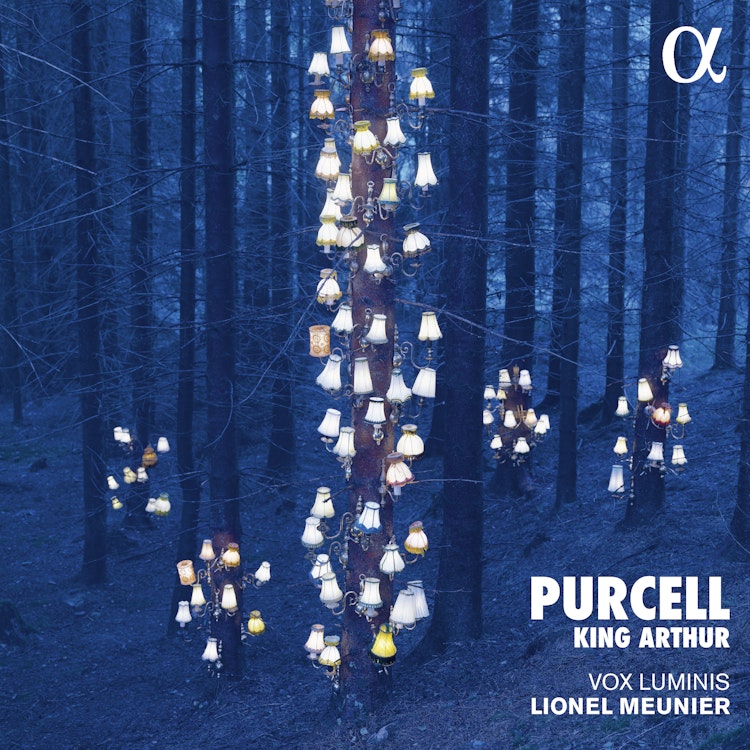
According to the custom of the time, the sung parts in "King Arthur" were reserved for mythological or legendary characters, while the dramatic protagonists expressed themselves in speech.
Composition History
Henry Purcell's "King Arthur" is a semi-opera in five acts, a genre that regained popularity during the Restoration era after the Puritan government of Cromwell had been hostile to music.
Historical Context
By the time "King Arthur" was completed in 1691, the kingdom had passed to William of Orange and Mary II Stuart, leading to slight modifications in the text to include allusions to the new monarchs.
Critical Reception
"King Arthur" was very successful and was regularly revived throughout the eighteenth and nineteenth centuries.
Composer's Artistic Vision
In his 'dramatic operas,' as John Dryden called them, Henry Purcell's music illustrates scenes of dreams, inner reflection, hymns, or magic.
Composition History
The librettist, John Dryden, originally intended "King Arthur" to be an allegory for the hoped-for reconciliation between the Catholic Duke of York (future King James II) and the Protestant Duke of Monmouth.
You might also enjoy...
Monteverdi: Il ritorno d'Ulisse in patria, SV 325
Steffani: Orlando Generoso
Campra: Idoménée
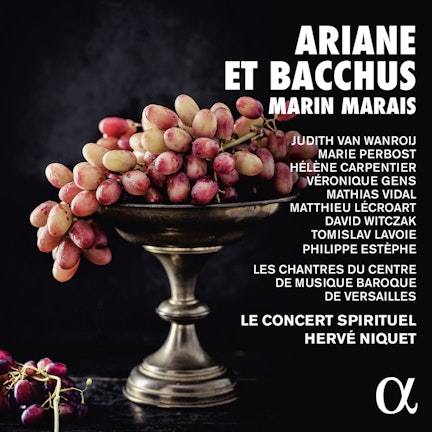
Marais: Ariane et Bacchus
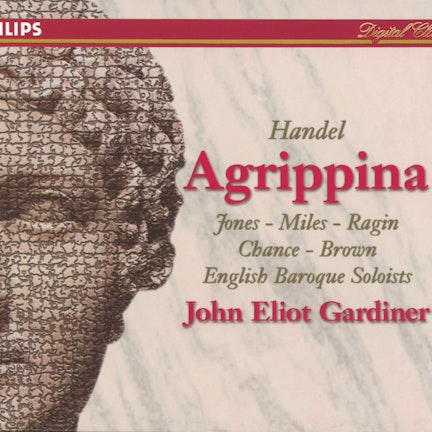
Handel: Agrippina
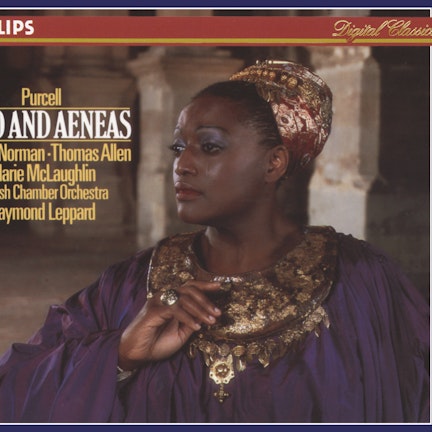
Purcell: Dido and Aeneas
Monteverdi, C.: Orfeo (L') [Opera]
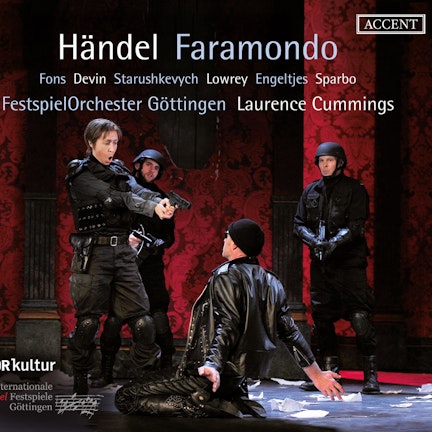
Handel: Faramondo, HWV 39
Steffani: Baccanali (Live)
Monteverdi : Il ritorno d'Ulisse in patria [Highlights]