Henry Purcell, the composer, aimed to imitate the most famous Italian masters in his sonatas to bring the seriousness and gravity of that music into vogue in England.
Critical Reception
Only Sonata No. 9 achieved real popularity in the eighteenth century, being republished as 'That Excellent Sonata in F call'd The Golden Sonata'.
Compositional Technique
A defining characteristic of Purcell's compositional style is his fascination with bittersweet harmonic progressions and the bold, almost unbearable, treatment of dissonance.
Compositional Technique
Purcell's sonatas synthesize French, Italian, and English styles, incorporating harmonic curiosities from the indigenous consort style and a rich contrapuntal interplay.
Composition History
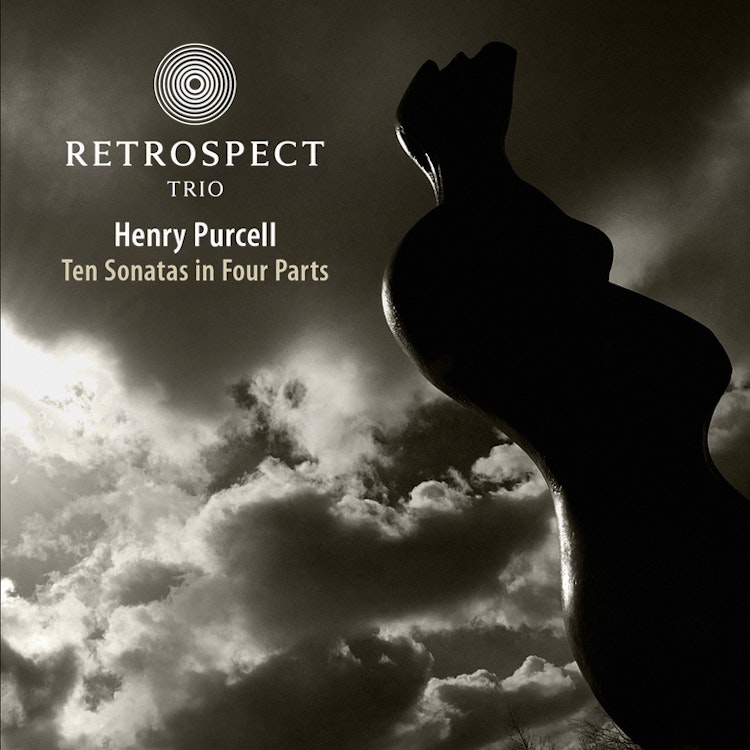
The second set of sonatas, Ten Sonatas in Four Parts, was published posthumously in 1697, two years after Purcell's death, with a preface by his widow.
Historical Context
In the late 17th century, English musical tastes were challenged by the arrival of Italian violin virtuosi in London, leading to a stylistic conflict between French and Italian models.
Instruments
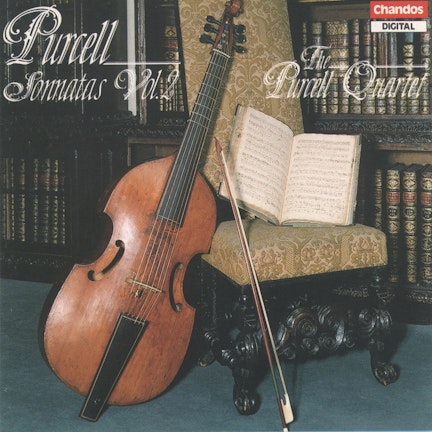
These sonatas are written for two violins, bass viol, and either organ or harpsichord, with the bass viol's contribution being crucial to the musical discourse.
You might also enjoy...
Purcell: Twelve Sonatas in Three Parts
Purcell: Trio Sonatas
Purcell: Sonatas A 3 / Sonatas A 4 / Pavans (Complete)
Purcell : Anthems
Purcell: Te Deum & Jubilate; Complete Funeral Sentences
Purcell: Dido and Aeneas, Z. 626: When I Am Laid in Earth (Arr. Trovesi for Chamber Ensemble)