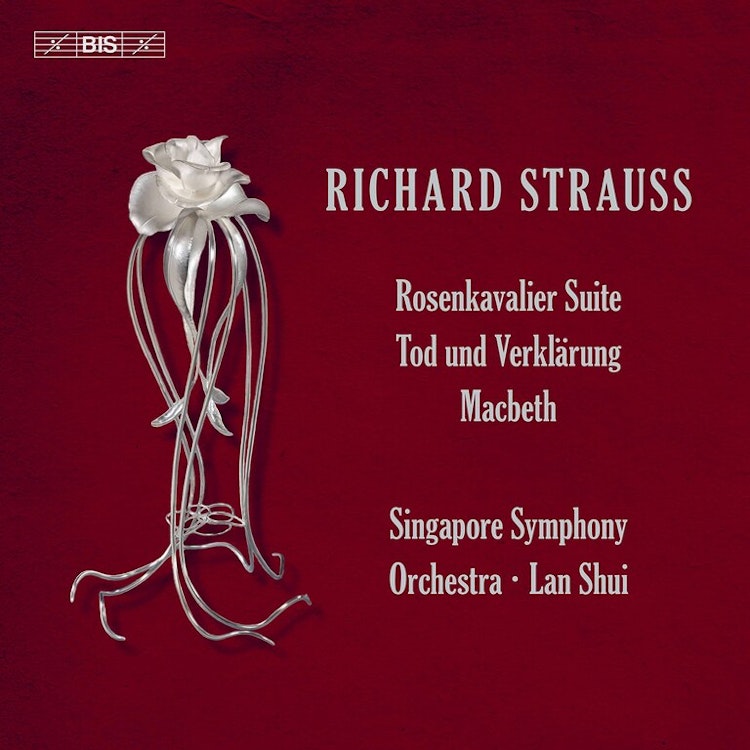
R. Strauss: Macbeth, Rosenkavalier Suite & Tod und Verklärung
5/1/2020, 7 Tracks, 1:11:58
Featuring
Lan Shui
Singapore Symphony Orchestra
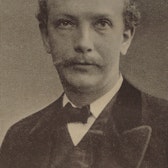
Richard Strauss
Did you know?
1/7
Composition History
The initial version of Macbeth had a triumphant, major-key ending, but Richard Strauss changed it to a more convincing minor-key ending after advice from conductor Hans von Bülow.
Historical Context
In late 19th-century Germany, death was a favorite subject for Romantic artists, making it easier to understand Richard Strauss's choice of subject for Tod und Verklärung.
Composition History
Richard Strauss's Macbeth was his first work to be designated as a 'Symphonic Poem'.
Critical Reception
Richard Strauss's operas Salome and Elektra were considered scandalous successes, with one newspaper headline after Salome's American premiere reading: '4000 SURVIVE THE MOST APPALLING TRAGEDY EVER SHOWN ON THE MUSICAL STAGE'.
Performer Biography
Lan Shui, the conductor on this album, was the music director of the Singapore Symphony Orchestra from 1997 to 2019 and is now its conductor laureate.
Composer Biography
Richard Strauss's father, Franz Strauss, was a renowned horn player who was much more conservative than his son.
Composer Biography
When warned by Kaiser Wilhelm II about the damage his scandalous operas were doing to his reputation, Richard Strauss famously retorted that with the takings, he was able to build his villa at Garmisch.
You might also enjoy...
R. Strauss: Symphonische Dichtungen
Strauss
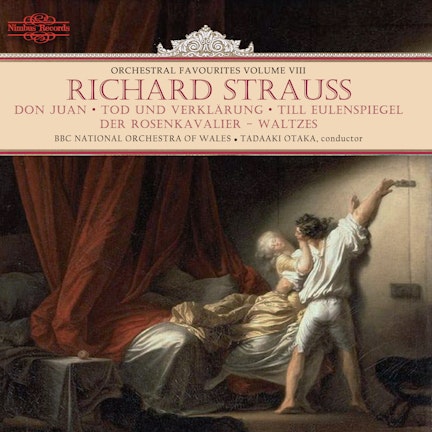
Strauss, R.: Don Juan / Tod Und Verklarung / Till Eulenspiegels Lustige Streiche / Der Rosenkavalier (Orchestral Favourites, Vol. 8)
R. Strauss: Tone Poems
Strauss, R.: Five Great Tone Poems
Richard Strauss: Tod und Verklärung, Sinfonia domestica & Dance of the Seven Veils
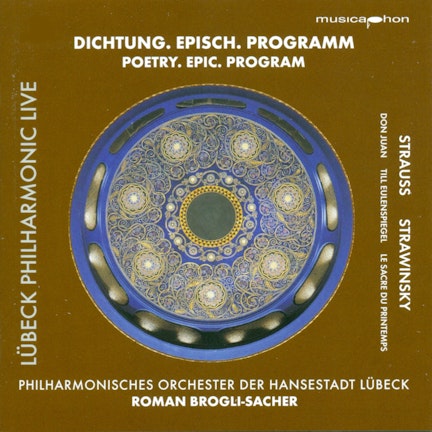
Stravinsky, I.: Rite of Spring / Strauss, R.: Don Juan / Till Eulenspiegels Lustige Streiche
Richard Strauss: Also sprach Zarathustra; Till Eulenspiegels lustige Streiche etc.
Richard Strauss: Macbeth, Don Juan, Tod und Verklärung & Festmarsch in C