Rachmaninov's Piano Concerto No. 3, known as the 'Rach 3', is considered one of the most technically demanding concertos in the repertory, even for pianists with a phenomenal hand span.
Composition History
Rachmaninov's Piano Concerto No. 2, and later No. 3, were composed after he underwent hypnosis and positive reinforcement therapy with Dr. Nikolai Dahl to overcome a period of depression and compositional block.
Composer Biography
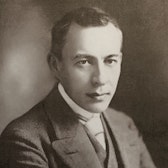
Sergei Rachmaninov, a prodigy from a young age, nearly had his career derailed by the disastrous premiere of his First Symphony in 1897.
Compositional Technique
Sibelius's Symphony No. 2 uses an unorthodox approach to thematic material, presenting fragments in the first movement and building them into full themes before dissecting them again.
Recording & Production
This live recording of Rachmaninov's Piano Concerto No. 3 marks Gerard Aimontche's London debut at the Royal Festival Hall with the Chineke! Orchestra and conductor Roderick Cox.
Composer's Artistic Vision
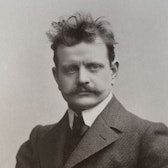
Jean Sibelius, despite the nationalistic interpretations of his music, was an avowed absolutist regarding his symphonies, intending them to be pure music without external programmatic meaning.
Performer Biography
The Chineke! Orchestra is Europe's first majority-Black and Minority Ethnic (BME) orchestra, established to champion change and celebrate diversity in classical music.
You might also enjoy...
Rimsky-Korsakov: Piano Concerto in C-Sharp Minor, Op. 30 - Tchaikovsky: Symphony No. 3 in D Major, Op. 29, TH 26 "Polish"
Tschaikowsky: Pathétique - Meisterwerke
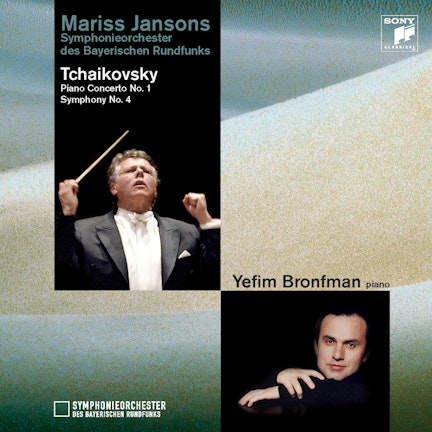
Tchaikovsky: Piano Concerto No. 1 & Symphony No. 6
Tchaikovsky : Symphony No.4 & Concert Fantasia
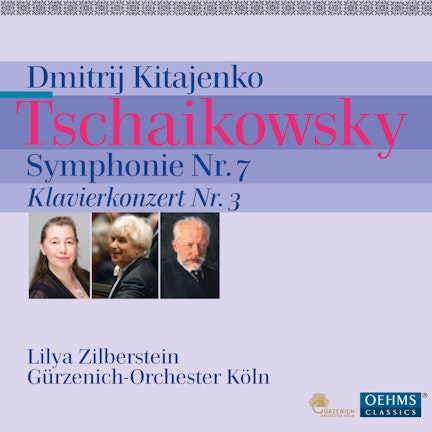
Tchaikovsky: Symphony No. 7 / Piano Concerto No. 3