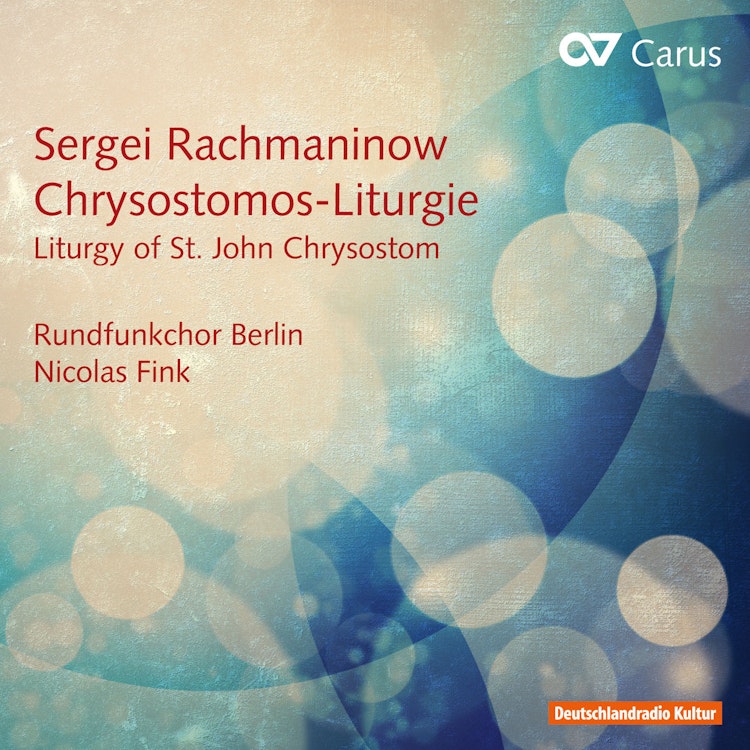
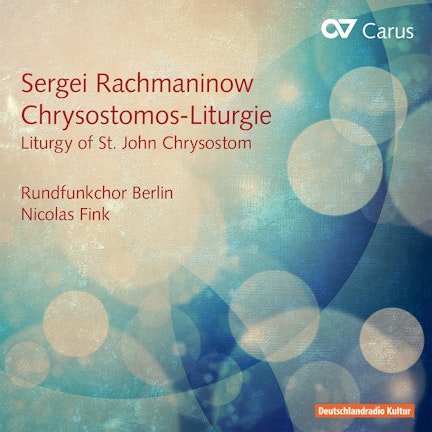
Rachmaninoff: Chrysostomos-Liturgie, Op. 31 (Liturgy of St. John Chrysostom)
8/7/2015, 19 Tracks, 59:35
Featuring
Nicolas Fink
Joo-hoon Shin
Axel Scheidig
Bianca Reim
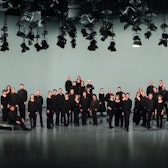
Rundfunkchor Berlin
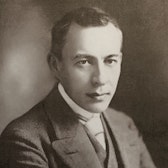
Sergei Rachmaninoff
Did you know?
1/7
Performer Biography
The Rundfunkchor Berlin, one of the world's leading choirs, has won three Grammy Awards and two ECHO-Klassik awards, demonstrating the quality of its recordings.
Compositional Technique
Rachmaninoff's Liturgy is stylistically complex, featuring double choruses in three numbers and an imitation of Russian bell-ringing in another.
Recording & Production
For this recording, conductor Nicolas Fink made specific choices to balance the liturgical character of the work with musical interest, omitting some repetitions and interjections.
Compositional Technique
In Orthodox worship, music is understood as prayer, not autonomous art, and the entire liturgy is sung without instruments.
Composition History
Sergei Rachmaninoff composed his Liturgy of St. John Chrysostom in June and July 1910 on his country estate, Ivanovka, located about 400 kilometers southeast of Moscow.
Composer's Artistic Vision
Rachmaninoff's Liturgy of St. John Chrysostom, along with his later All-Night Vigil, redefined Orthodox church music and achieved a mastery that had not existed before.
Composition History
Rachmaninoff's Liturgy was not approved for use in church services, similar to Tchaikovsky's earlier setting, despite the composer seeking advice from Alexander Kastalsky, the director of the Moscow Synodal School and an authority on Orthodox liturgical music.
You might also enjoy...
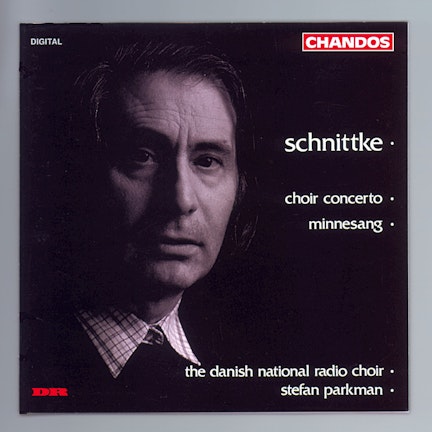
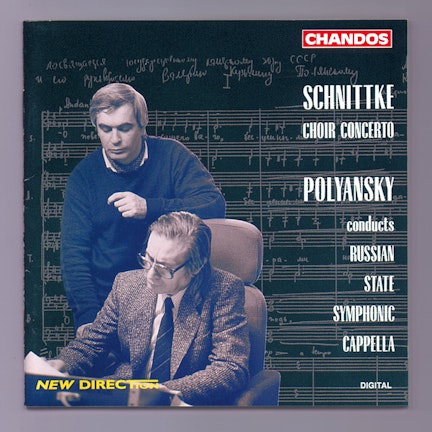
Alfred Schnittke - Choir Concerto
Twenty-Seven Two- and Three-Part Choruses
Sergei Rachmaninow: Chrysostomos Liturgie op. 31
R. Strauss: 4 Lieder, Op. 27: No. 4, Morgen! (Transcr. Gottwald for Choir)
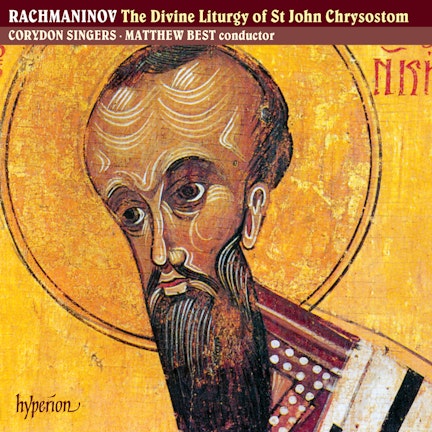
Rachmaninoff: The Divine Liturgy of St John Chrysostom