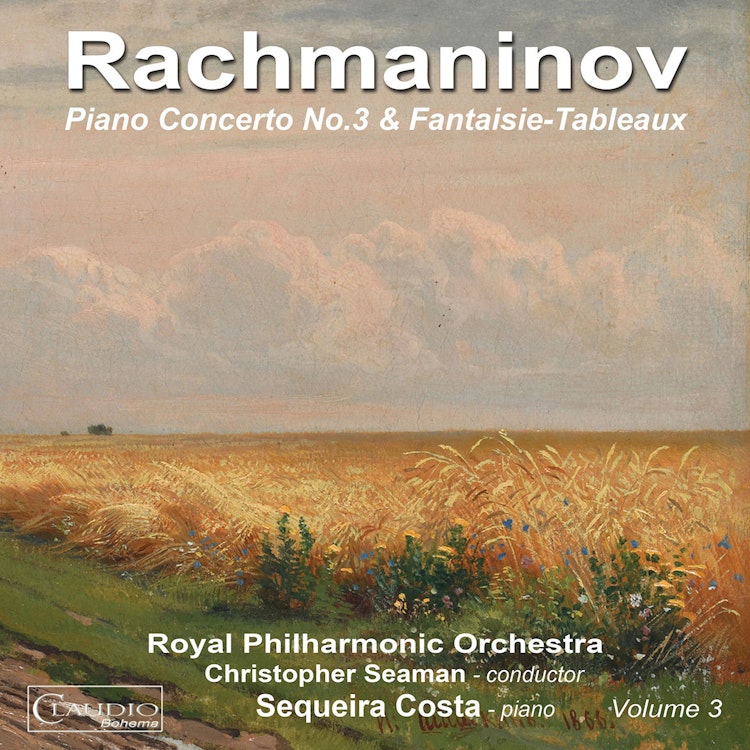
Rachmaninoff: Piano Concerto No. 3 in D Minor, Op. 30 & Suite No. 1 in G Minor, Op. 5 "Fantaisie-tableaux"
9/4/2015, 7 Tracks, 1:10:27
Featuring
Christopher Seaman
Sequeira Costa
Artur Pizarro
Royal Philharmonic Orchestra
Sergei Rachmaninoff
Did you know?
1/6
Composer Biography
Following the failed premiere of his first symphony in 1897, Rachmaninov suffered a deep depression and a two-year compositional block, which was treated with psychotherapy and hypnotherapy by Dr. Nicolai Dahl.
Critical Reception
The Piano Concerto No. 3 is known for its extreme difficulty, with pianist Gary Graffman reportedly wishing he had learned it as a student, 'when he was still too young to know fear'.
Cultural Impact
The Piano Concerto No. 3 achieved its status as one of the most popular piano concertos of the 20th century thanks to the interest shown by Vladimir Horowitz, a renowned pianist.
Composition History
Rachmaninov's Piano Concerto No. 3, completed in 1909, premiered in New York with the composer as soloist and was later performed under the baton of Gustav Mahler.
Composer's Artistic Vision
A theory suggests that Dr. Nicolai Dahl's hypnotic suggestions encouraged Rachmaninov to focus on writing music that critics might enjoy, leading to a new form of popular creativity.
Compositional Technique
Rachmaninov's Suite No. 1 for two pianos, also known as 'Fantaisie-Tableaux', is unusual because it was never orchestrated by the composer or his colleagues, despite containing elements suitable for an orchestral work.
You might also enjoy...
Rachmaninov: Piano Concerto No.2; 3 Etude-Tableaux
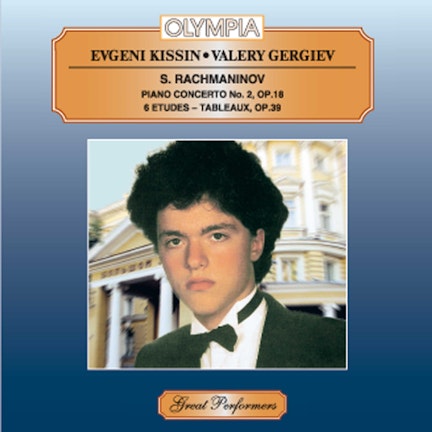
Rachmaninoff Concerto No. 2, 6 Études-Tableaux
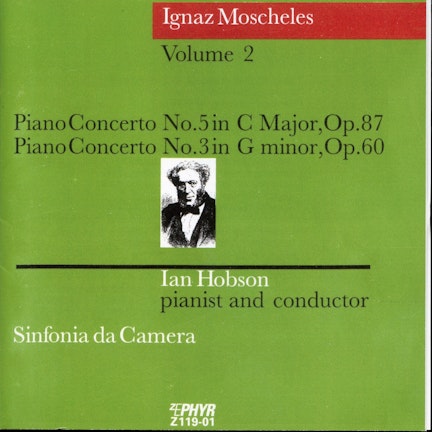
Moscheles: Piano Concertos Nos. 3 & 5
Rachmaninoff: Piano Concerto No. 2 & 6 Etudes-Tableaux
Saint-Saëns: Piano Concertos Nos. 2 & 4/Poulenc: 3 mouvements perpétuels, etc.
Rachmaninov Piano Concerto No 3, etc
Favourite Rachmaninov
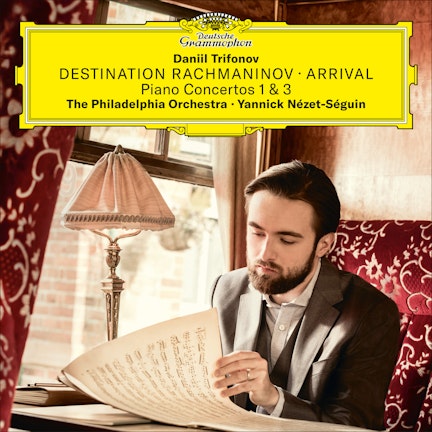
Destination Rachmaninov: Arrival
Rachmaninov: Piano Concerto No. 4 - Chopin, Beethoven
Rachmaninov
Rachmaninov, S.: Piano Concerto No. 4 / Variations On A Theme of Corelli / Rhapsody On A Theme of Paganini