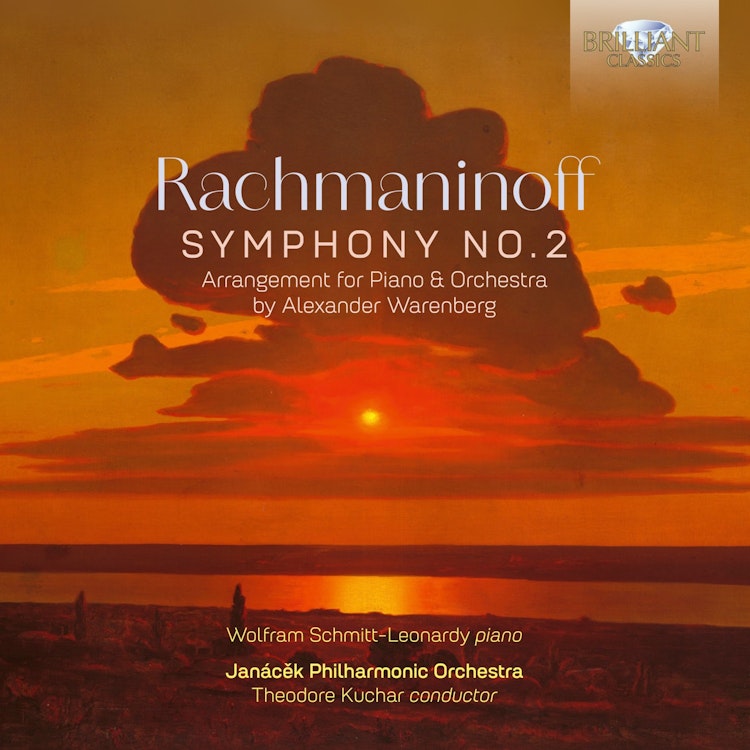
Rachmaninoff: Symphony No.2 (Arrangement for Piano & Orchestra by Alexander Warenberg)
7/31/2026, 3 Tracks, 41:44
Featuring
Wolfram Schmitt-Leonardy
Theodore Kuchar
Janáček Philharmonic Orchestra
Alexander Warenberg
Did you know?
1/7
Composer's Artistic Vision
Rachmaninoff stated he could not compose without melody, play without a "culminating point," or make music live without "colour."
Composer Biography
After moving to Prohibition America in 1918, Rachmaninoff became a homesick émigré, largely recreating others' music rather than creating his own dreams.
Composer's Artistic Vision
Rachmaninoff believed music should "speak from the heart" and reflect a composer's temperament, love affairs, religion, and influences.
Compositional Technique
The arrangement for piano and orchestra by Alexander Warenberg compresses the symphony by 40.6%, reducing 1,843 bars to 1,094, with material omitted, replaced, or re-composed.
Compositional Technique
This arrangement draws inspiration from Rachmaninoff's Third Concerto, with elements like the first solo's unisons and the Adagio's orchestral exposition.
Composition History
Rachmaninoff's Second Symphony, dedicated to Sergei Taneyev (Director of the Moscow Conservatoire), took approximately five to six months to compose between 1906 and 1908.
Critical Reception
At its Moscow premiere, critic Yuli Engel praised Rachmaninoff as a significant contemporary figure and worthy successor to Tchaikovsky, noting the new E minor Symphony's freshness and beauty despite its length.
You might also enjoy...
Field: Piano Concertos Nos. 2 & 3
Dreyschock & Kullak: Piano Concertos (Hyperion Romantic Piano Concerto 21)
Stravinsky: Concerto for Piano & Wind Instruments
Herz: Piano Concertos Nos. 1, 7 & 8 (Hyperion Romantic Piano Concerto 35)
Eckerberg: Piano Concertos No. 1 & No. 3
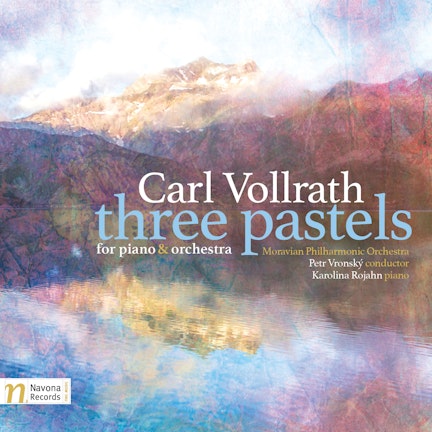
Vollrath: 3 Pastels for Piano & Orchestra
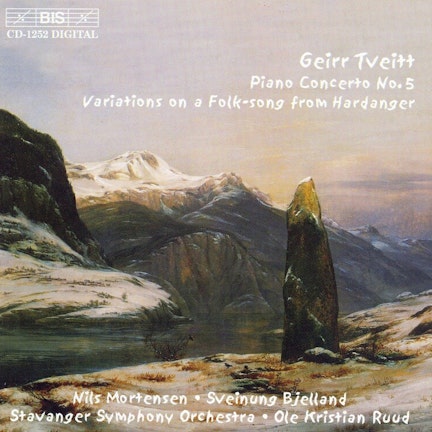
Tveitt: Piano Concerto No. 5 / Variations On A Folk-Song From Hardanger
Stanford: Concert Variations on an English Theme, "Down Among the Dead Men," Op. 71
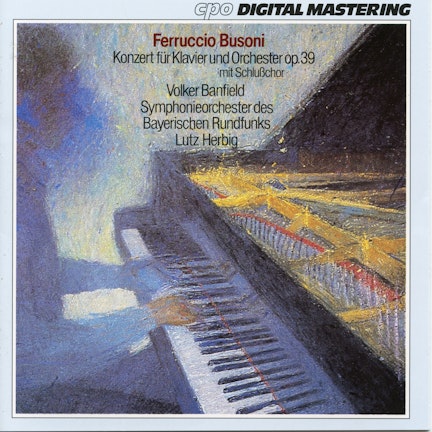
Busoni: Piano Concerto in C Major, Op. 39, BV 247
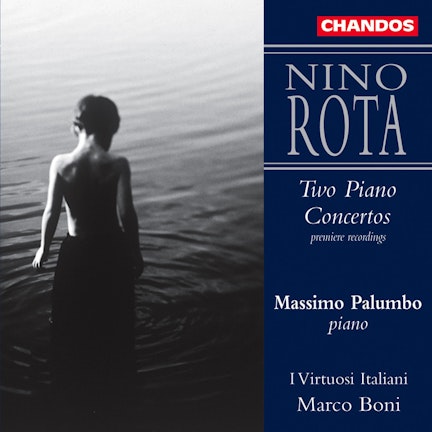
Rota: Piano Concertos
July
Steibelt: Piano Concertos Nos. 3, 5 & 7 Hyperion Classical Piano Concerto 2)
Busoni: Piano Concerto in C Major (Hyperion Romantic Piano Concerto 22)
Emilie Mayer: Piano Concerto in B-Flat Major: II. Un poco adagio