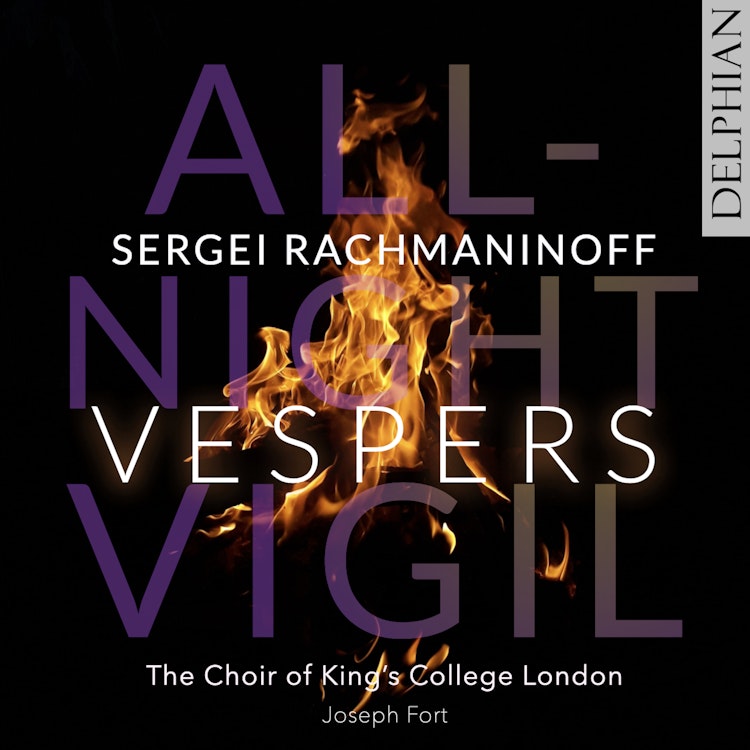
The All-Night Vigil was generally perceived to have achieved a synthesis of aesthetic and spiritual demands, despite some contemporary critics questioning its 'ecclesiality'.
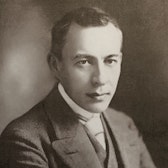
Composer Biography
As a child, Rachmaninoff was rewarded with 25 kopeks by his grandmother for playing back church singing he had heard, a large sum for a boy of ten or eleven.
Performer Biography
The Choir of King's College London, founded by William Henry Monk in the mid-19th century, consists of about thirty choral scholars and performs regularly for chapel worship, concerts, and tours.
Composition History
Rachmaninoff composed the All-Night Vigil in January 1915, completing it in under two weeks, amidst a sense of impending doom due to World War I.
Compositional Technique
For the All-Night Vigil, Rachmaninoff used pre-existing Russian Orthodox chant melodies for ten of the fifteen movements, and created 'conscious counterfeits' of chant for the remaining five.
Cultural Impact
After the Bolshevik Revolution, the All-Night Vigil's artistic merit was emphasized in the Soviet Union by stressing Rachmaninoff's 'unusual mastery of ancient Russian folk song,' while for émigrés it served as a cultural memory of a lost world.
Composer's Artistic Vision
Rachmaninoff's favorite movement from the All-Night Vigil was No. 5, 'Now lettest Thou,' which he wished to have performed at his own funeral.