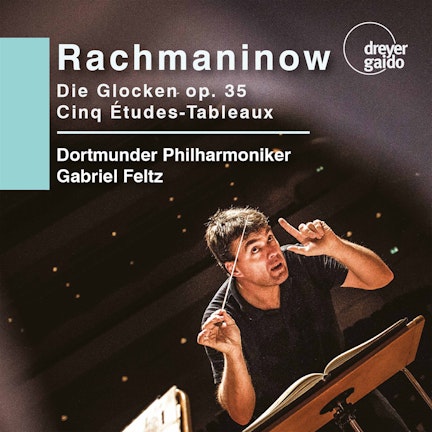
Rachmaninov's early musical education at St Petersburg Conservatory was a result of his family's financial decline, as the expense of educating him for imperial service became too great.
Historical Context
In 1931, Rachmaninov's music was banned in Russia after he signed a letter to The New York Times drawing attention to atrocities committed by the Russian government, though the ban was lifted two years later.
Composer Biography
After failing general subject exams at the Conservatory, Rachmaninov moved to Moscow to study with Zverev, a teacher known for strict discipline, where he developed much of his piano ability.
Composer Biography
Rachmaninov was only able to return to composition after a course of treatment with Dr. Nikolay Dahl, a believer in hypnotism, which immediately led to his popular Second Piano Concerto.
Composer's Artistic Vision
Rachmaninov's music is characterized by a fatalistic sense of melancholy, expressed through broad melodies, and he was the last of the great Russian masters of the late nineteenth century.
Critical Reception
Rachmaninov's First Symphony failed at its 1897 premiere, conducted badly by Glazunov, and was cruelly reviewed by César Cui, who called it a 'student attempt to depict in music the seven plagues of Egypt'.
Composer Biography
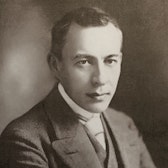
Sergey Rachmaninov, born in 1873, chose exile from Russia after the 1917 Revolution, rather than remaining through the subsequent civil turmoil and despotic oppression.
You might also enjoy...
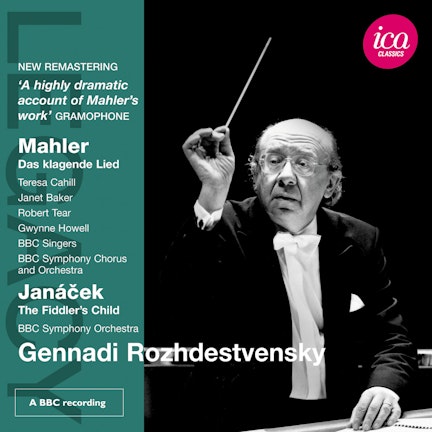
Mahler: Das klagende Lied - Janacek: The Fiddler's Child
Rachmaninoff: The Bells, Op. 35 & Isle of the Dead, Op. 29
Sibelius: Snofrid / Cantata for the Coronation of Nicholas Ii / Rakastava
Rachmaninov: Bells (The) / Dances From Aleko / Caprice Bohemien
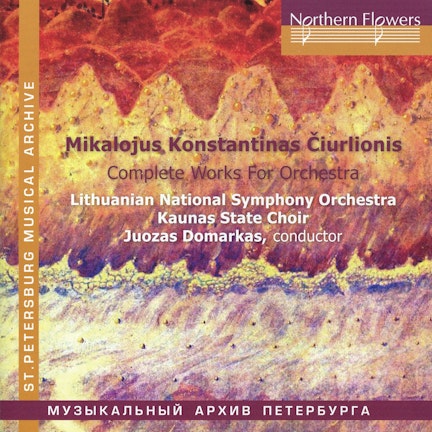
Ciurlionis: Complete Works for Orchestra
Mahler: Das klagende Lied, Symphony No. 10 & Blumine
Janáček: Mr Brouček Suite, The Eternal Gospel & Other Orchestral Music
R. Strauss: Symphonia domestica, Op. 53, TrV 209 & Die Tageszeiten, Op. 76, TrV 256
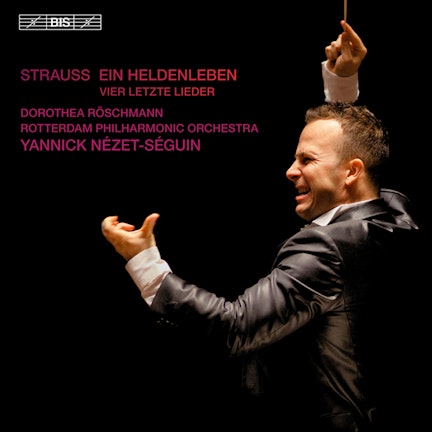
Strauss: Ein Heldenleben - 4 letzte Lieder
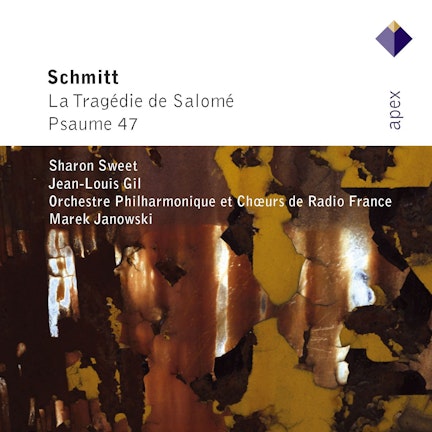
Schmitt : La tragédie de Salomé & Psaume 47
Rachmaninoff: Die Glocken, Op. 35 & 5 Études-tableaux (Live)