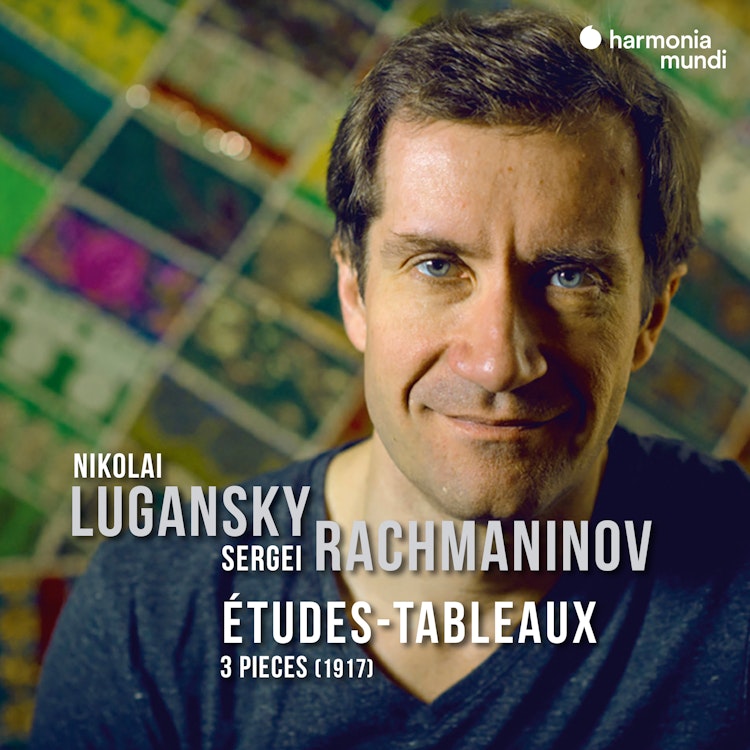
The three additional pieces on this album, Fragments, Oriental Sketch, and Prelude in D minor, were composed in November 1917 during a desperate period in Rachmaninoff's life, just weeks before he left his homeland.
Interpretation
Nikolai Lugansky, the performer on this album, believes that in Rachmaninoff's Études-Tableaux, visual imagery plays a more significant role than specific pianistic techniques, especially in Op. 33.
Composer's Artistic Vision
Rachmaninoff did not wish to reveal the specific inspirations behind his Études-Tableaux, stating, "I do not believe in the artist disclosing too much of his images. Let them paint for themselves what [the music] most suggests."
Composition History
Rachmaninoff initially omitted three études from his Op. 33 collection; two of these were rediscovered after his death and reinserted into later editions, while one was reworked and included in Op. 39.
Compositional Technique
The Études-Tableaux showcase Rachmaninoff's extraordinary pianistic abilities, using complex textures and a rich harmonic language with modal colorations and mysterious resonances that evoke the sound of bells.
Historical Context
The Études-Tableaux Op. 39, composed between September 1916 and February 1917, were Rachmaninoff's last piano work before his exile from Russia in December 1917.
You might also enjoy...
Sibelius: Complete Original Piano Music, Vol. 4
Franck: Between Two Worlds
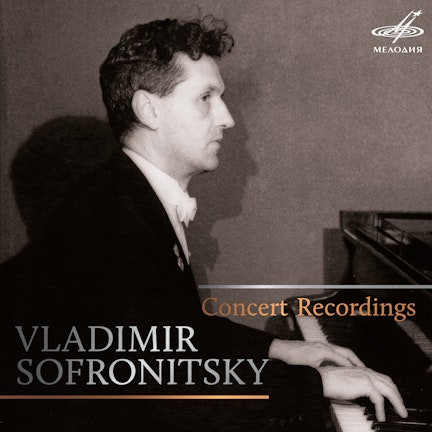
Vladimir Sofronitsky: Concert Recordings (Live)
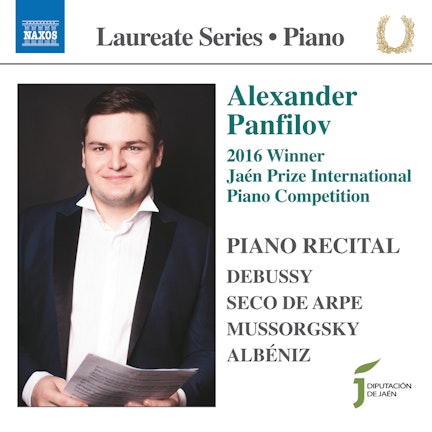
Debussy, Seco de Arpe, Mussorgsky & Albéniz: Piano Works
Schumann: Solo Piano Works - Volume 2
Beyond
Tales from Russia
Urspruch: Complete Works for Piano, Vol. 1
Mozart, Schumann & Others: Piano Works (Live)
2025 Cliburn Competition: David Khrikuli – Preliminary Round (Live)