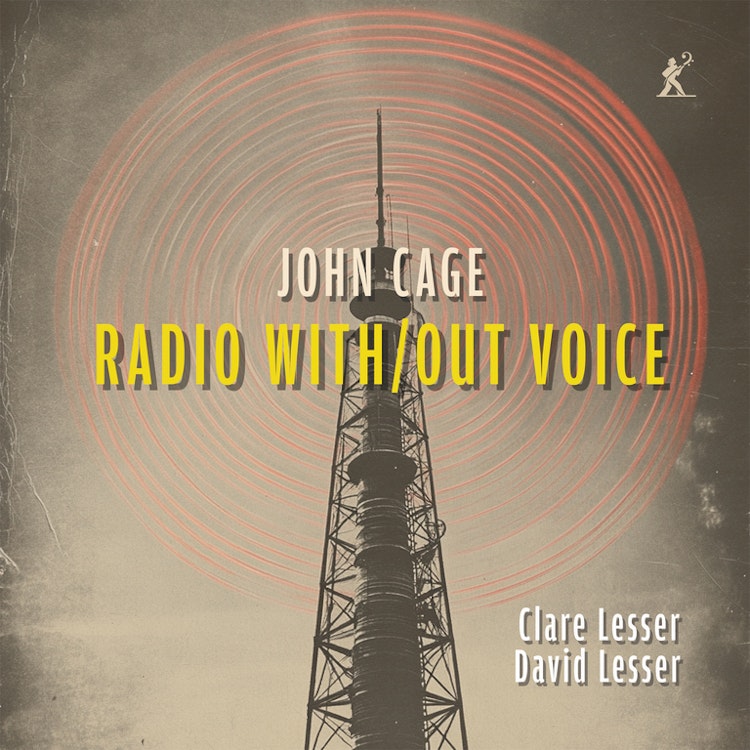
John Cage, despite his stated ambivalence towards records and radio, frequently used technology like computers, phonographs, and magnetic tape in his creative work.
Composition History
John Cage's radio compositions began with Imaginary Landscape No. 1 (1939), which was intended to be performed in a radio broadcast studio.
Compositional Technique
For Radio Music, John Cage used the ancient Chinese divination method, the I Ching, to generate the frequencies and durations for its eight parts.
Composer's Artistic Vision
For John Cage, radio functioned in live performance as a medium, an instrument, a source material, and a radical disruptor, using silence, speech, noise, music, and static.
Compositional Technique
John Cage's One¹² is one of his final 'number pieces,' where the number indicates it is the twelfth piece for a solo player.
Composer's Artistic Vision
John Cage believed that music should be a forward-looking, constantly evolving, dynamic, and technologically enabled artform, rather than an ossified museum exhibit.
Compositional Technique
Sculptures Musicales, though not for voice or radio, explores the listening experience of multiple, simultaneous, resonating sound sources, echoing Marcel Duchamp's concept of 'sculpture sonore'.
You might also enjoy...
Christmas Songs
Christmas Songs
Ronchetti: Xylocopa Violacea
Schleiermacher: Ensemble Music
Ondes
Lamenting Lullaby
SMCQ: Gougeon, Rea, Varèse, Longtin
Lydia Kakabadse: Concertato
50 x 12: Half a Century of Music
Cage: The 25-Year Retrospective Concert of the Music of John Cage
Oriol Saladrigues Brunet: Your message could not be delivered to one or more Recipients.
ars moriendi
Volans: This Is How It Is / Walking Song / Leaping Dance / Concerto for Piano and Wind Instruments